


 Cr15Al5
 Cr19Al3
 Cr25Al5
 Cr23Al5Ti
 Cr21Al16Nb
 Cr27Al7Mo2
 Cr20Ni80
 Cr30Ni70
 Cr15Ni60
 Inconel 625
 Inconel 718
 Inconel 725
 Inconel X-750
 Inconel 690
 Inconel 617
 Inconel 601
 Inconel 600
 Inconel 686
 Inconel 602CA
 Incoloy A-286
 Incoloy 825
 Incoloy 925
 Incoloy 926
 Incoloy 800
 Incoloy 800H
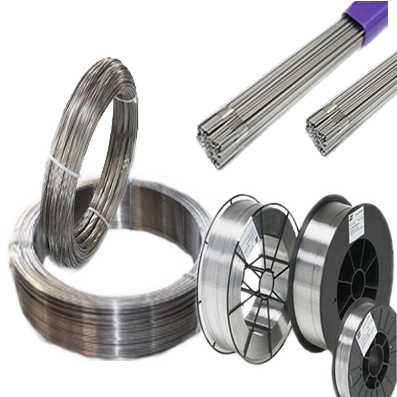 Incoloy 800HT
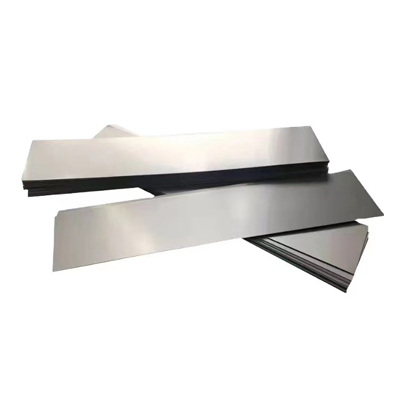 Incoloy 909
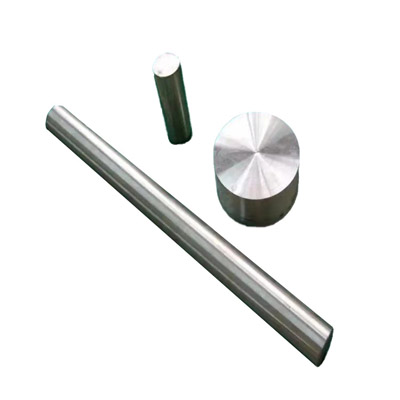 Incoloy 31
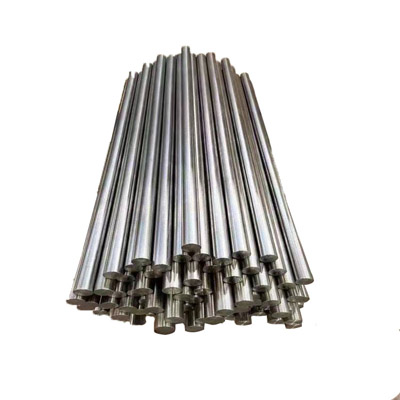 Incoloy 901
 Monel K-500
 Monel 400
 Nimonic 263
 Nimonic 75
 Nimonic 80A
 Nimonic 90
 Nimonic PE11
 Nimonic PE16
 Nimonic PK33
 Nimonic 901
 Nimonic 81
 Nimonic 86
 Nimonic 105
 Nimonic 115
 Hastelloy C-276
 Hastelloy C
 Hastelloy C4
 Hastelloy C-22
 Hastelloy C-2000
 Hastelloy B-2
 Hastelloy B-3
 Hastelloy G30
 Hastelloy X
 Super Invar 32-5(4J32)
 Alloy 36(4J36)
 Alloy 42(4J42)
 Alloy 50(1J50)
 Hiperco 50(1J22)
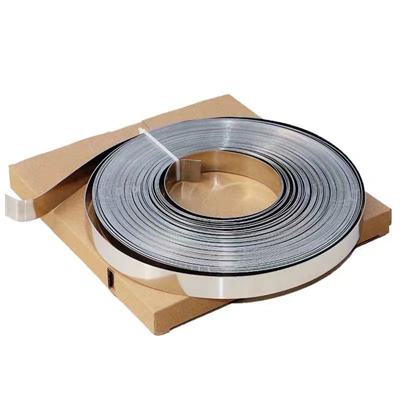 Alloy 46
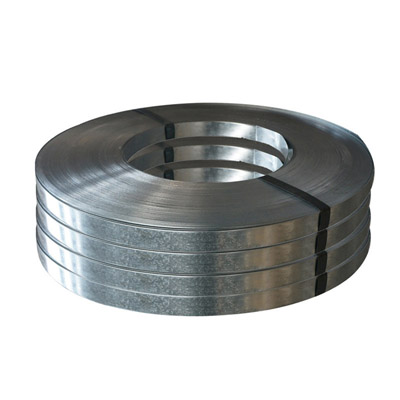 Permalloy (1J79)
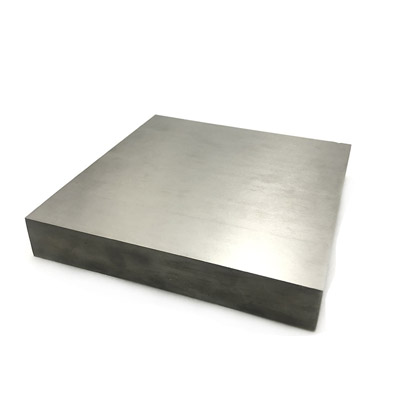 Supermalloy(1J85)
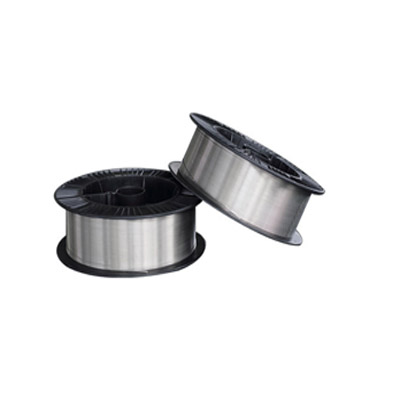 ERNiCrMo-2
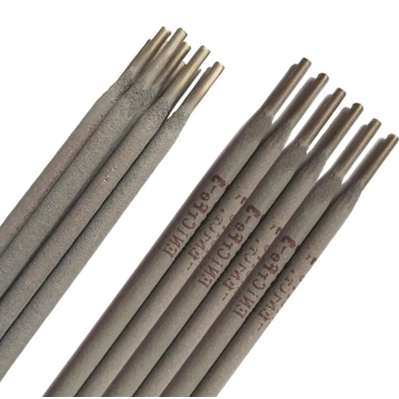 ERNiCrMo-3
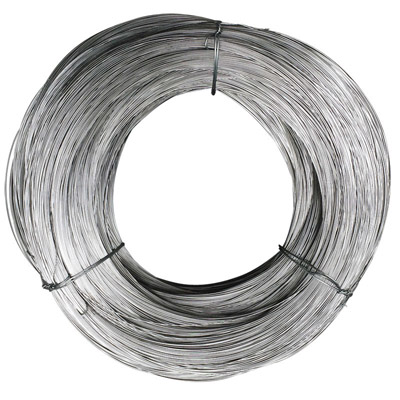 ERNiCrMo-4
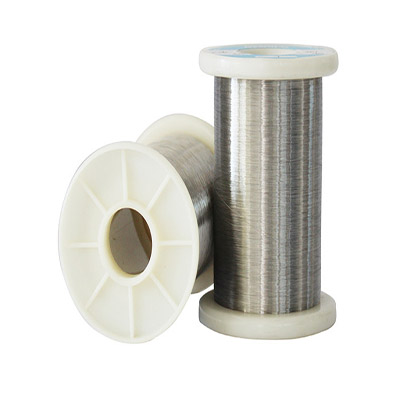 ERNiCrFe-7
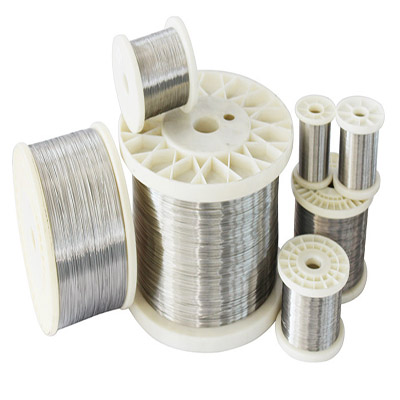 ERNiCrFe-7A
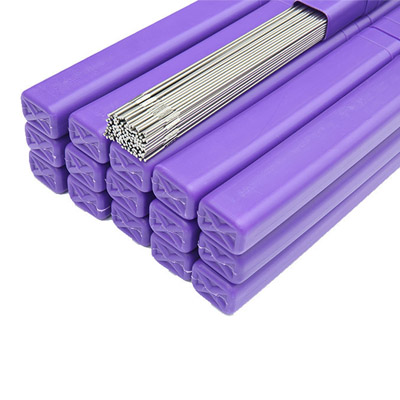 ERNiCrMo-10
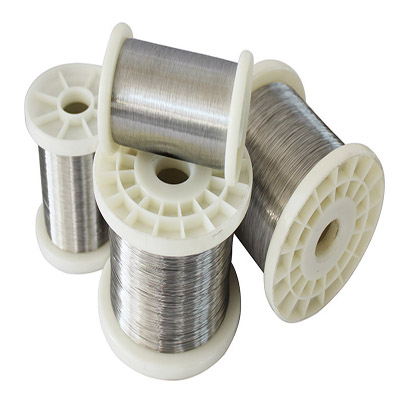 ERNiCrCoMo-1
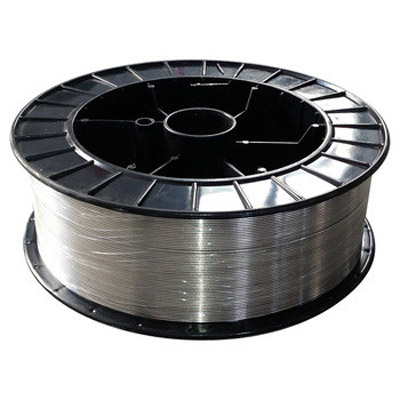 ERNiFeCr-2
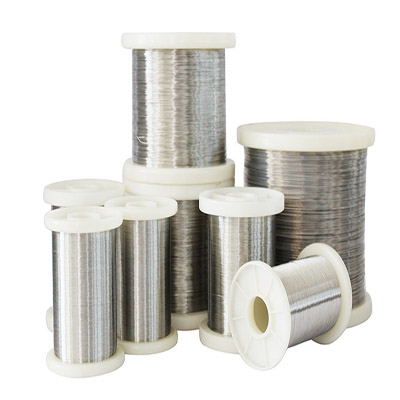 ERNiFeCr-1
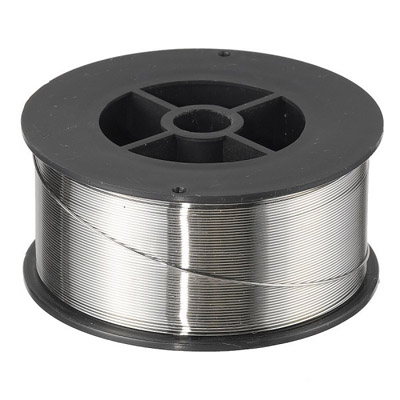 ERNiMo-8
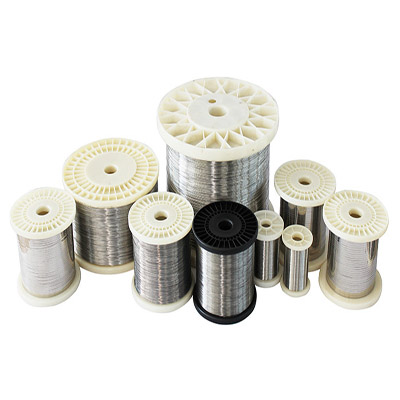 ERNiCrMo-13
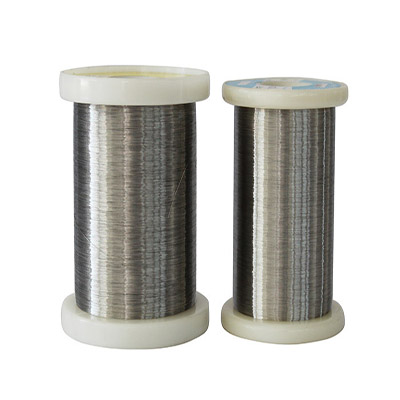 ERNiCr-4
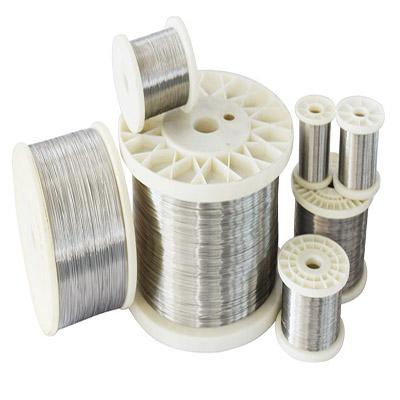 ERNiCr-3
 ERNi-1
 Haynes-25
 Hayness-188
 MP35N
 Refractory 26
 Waspaloy alloy
 17-4PH
 17-7PH
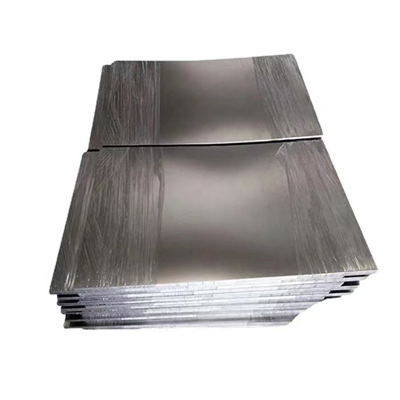 904L
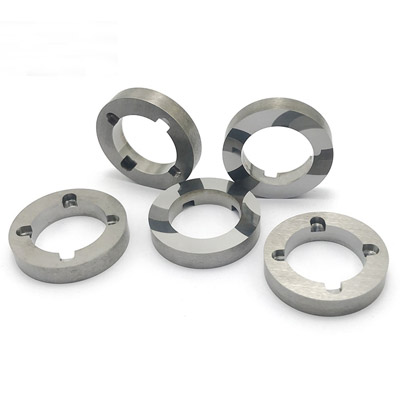 Nitronic 50
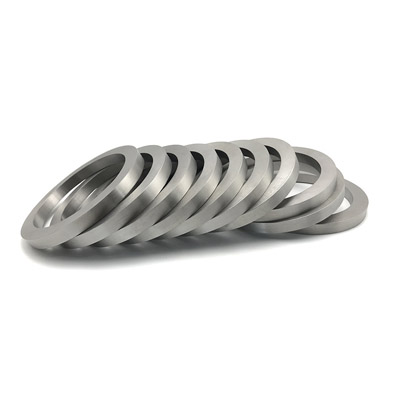 Nitronic 60
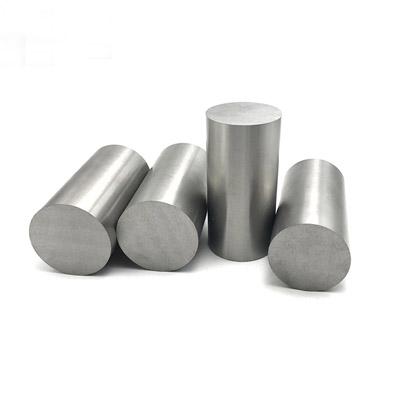 AL-6XN
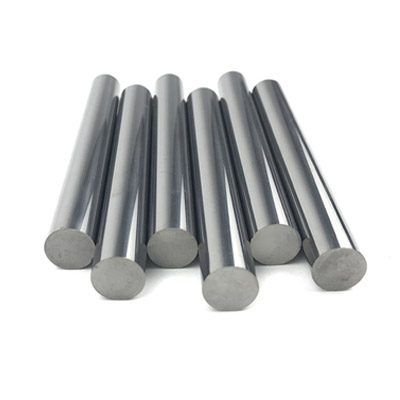 F55
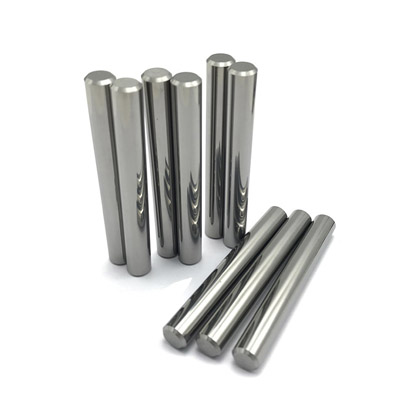 PH 13-8
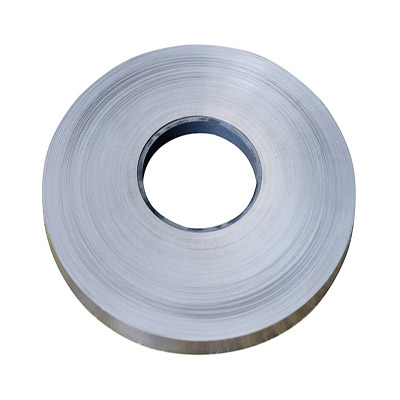 Haynes-230
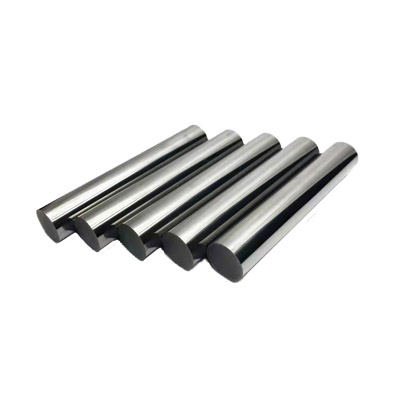 Nickel 200
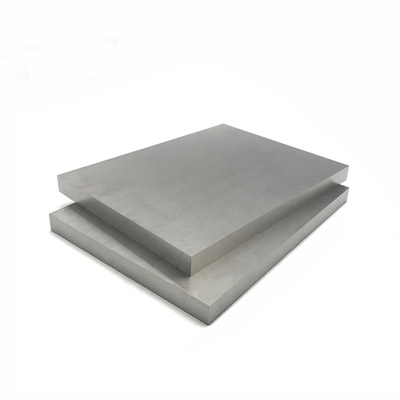
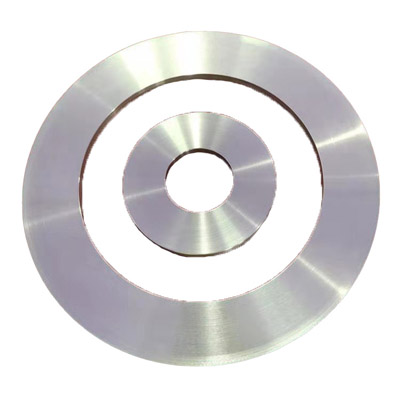
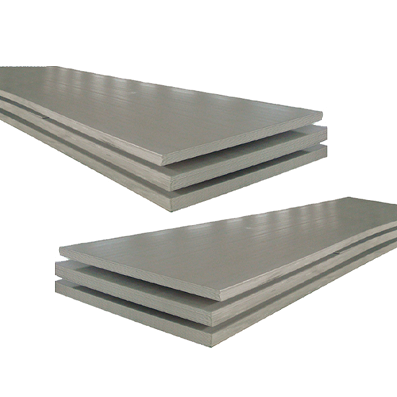 Sheet & Plate
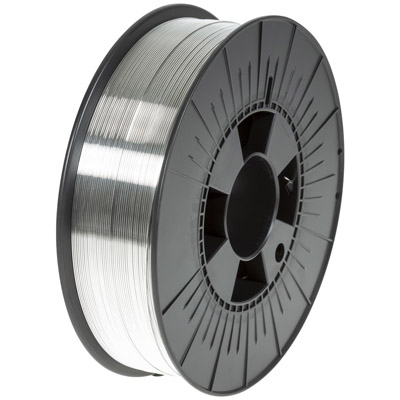
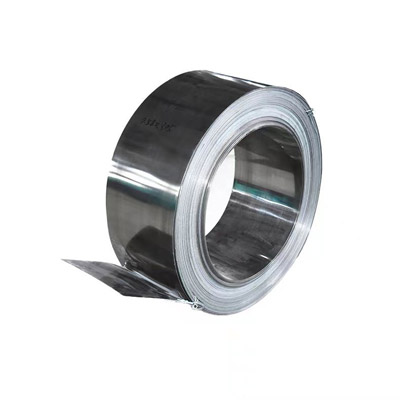
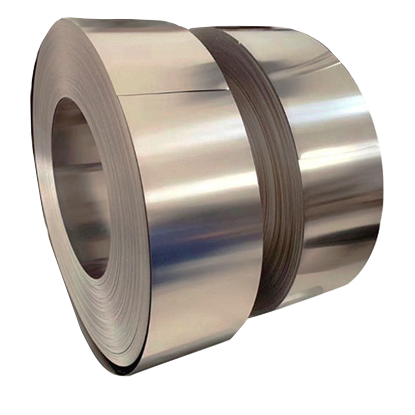 Strip & Foil
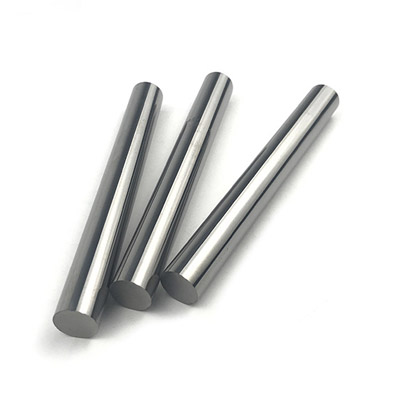
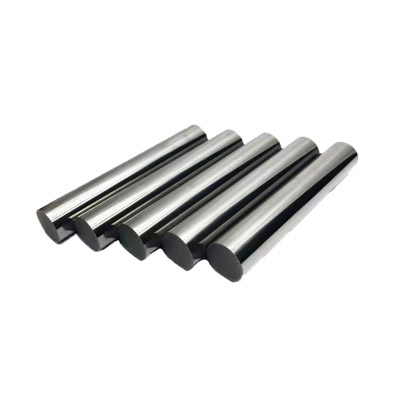
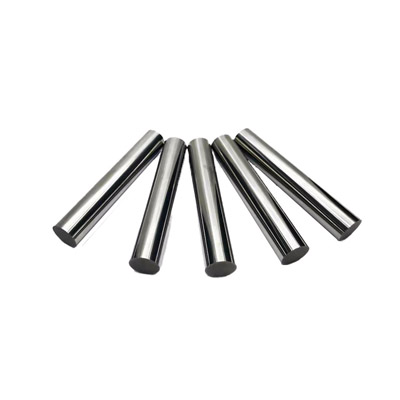
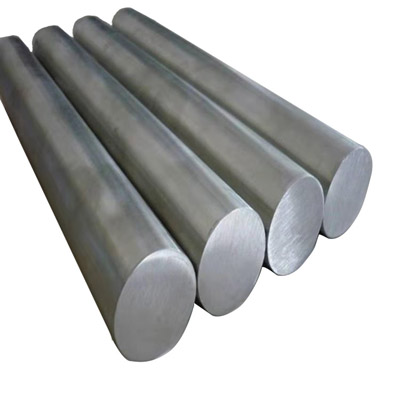
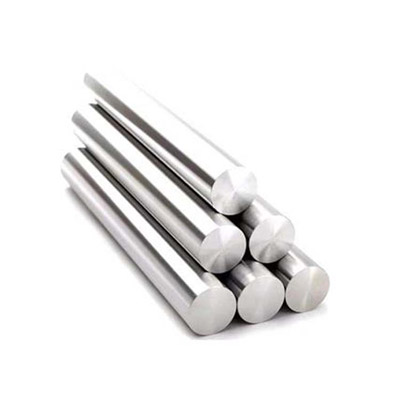
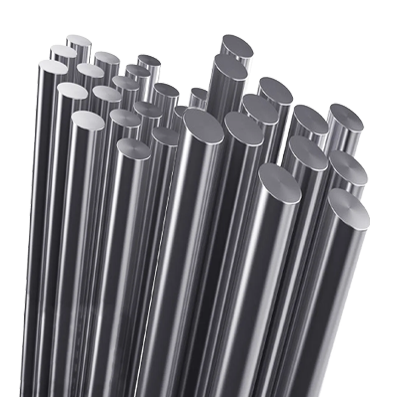 Bar & Rod
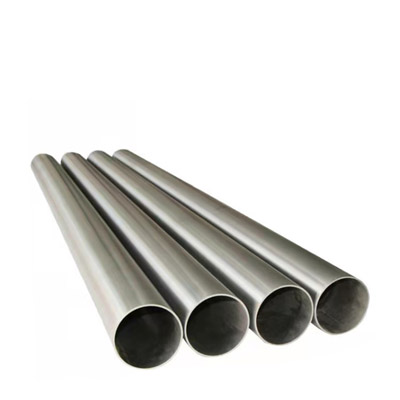
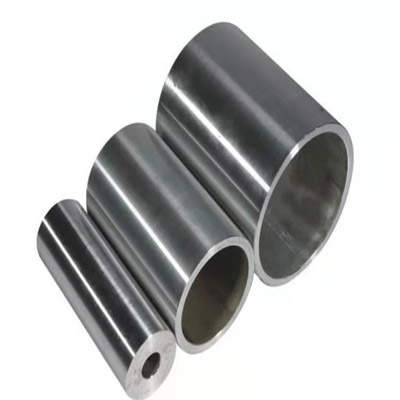
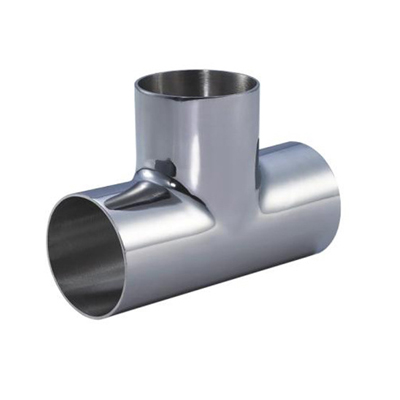
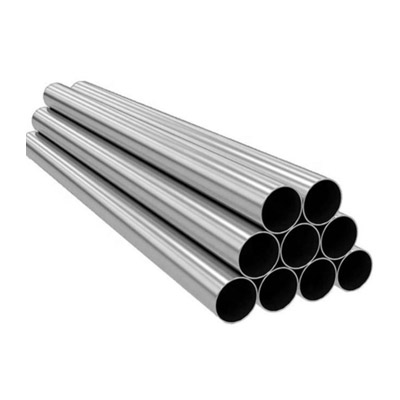 Pipe & Tube
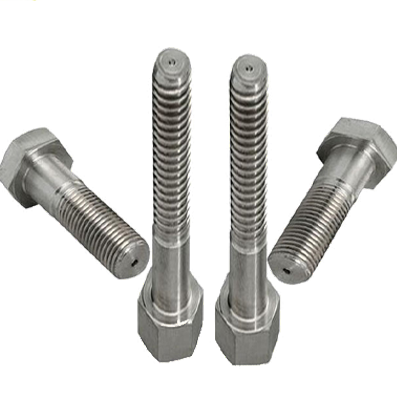 Bolts & Fasteners
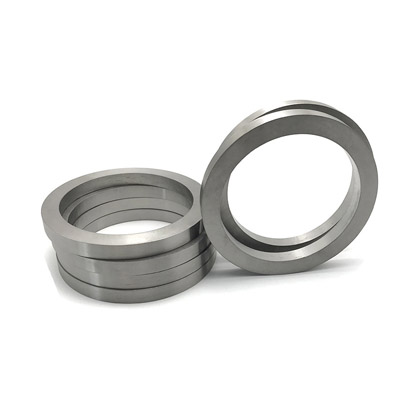
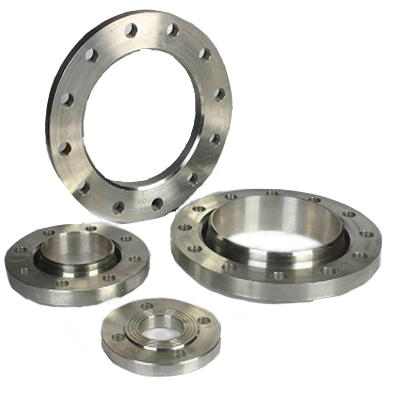 Flange & Ring
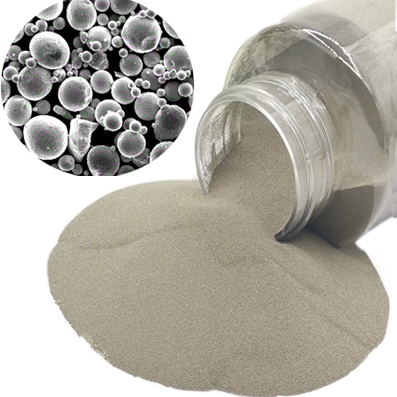 Nickel Alloy Powder


Inconel 718 vs Inconel 901: Differences, Advantages and Applications
Inconel 718 and Inconel 901 are both nickel-based precipitation-hardening superalloys widely used in aerospace, gas turbines and high-performance engineering applications. Both alloys provide excellent strength, corrosion resistance and reliability under demanding conditions. However, their alloy designs and main advantages are different.
Inconel 718 is designed for a combination of high strength, excellent fatigue resistance, good weldability and superior performance at elevated temperatures. Inconel 901 is mainly developed for high-strength forged components such as turbine disks, shafts and other rotating parts operating in intermediate-temperature environments.
Understanding the differences between Inconel 718 and Inconel 901 helps engineers select the correct material according to temperature, mechanical loading and manufacturing requirements.
1. Inconel 718 Overview
Inconel 718 (UNS N07718) is a nickel-iron-chromium precipitation-hardening alloy containing niobium, molybdenum, titanium and aluminum. Its main strengthening mechanism comes from γ'' (Ni₃Nb) and γ' precipitation phases.
The alloy provides an excellent balance of:
- High tensile strength
- High yield strength
- Excellent fatigue resistance
- Good creep resistance
- Good oxidation and corrosion resistance
- Excellent weldability
Inconel 718 is one of the most widely used nickel-based superalloys in aerospace and high-temperature industries. It is commonly used for aircraft engines, gas turbines, rocket engines, fasteners and oil & gas components.
2. Inconel 901 Overview
Inconel 901 (UNS N09901) is a nickel-iron-chromium alloy strengthened mainly by γ' (Ni₃(Al,Ti)) precipitation.
Compared with Inconel 718, Alloy 901 contains higher iron content and a different precipitation-strengthening system. It was developed for applications requiring good strength and creep resistance at intermediate temperatures.
Typical applications include:
- Gas turbine disks
- Turbine shafts
- Rotating engine components
- High-temperature fasteners
- Aerospace forged parts
Alloy 901 is especially suitable for components where stable mechanical properties and creep resistance are required in the approximately 550–600°C temperature range.
3. Advantages of Inconel 718 Compared with Inconel 901
3.1 Higher Strength and Better Overall Mechanical Performance
One of the main advantages of Inconel 718 is its excellent balance of tensile strength, yield strength, toughness and fatigue resistance.
The precipitation-hardening system of Inconel 718, mainly based on γ'' (Ni₃Nb) strengthening, provides outstanding mechanical properties after aging treatment. This allows 718 to maintain high strength under demanding conditions.
Compared with Inconel 901, Inconel 718 generally provides a better combination of strength and ductility for many high-performance applications.
3.2 Better Fatigue Resistance
Fatigue resistance is one of the most important advantages of Inconel 718.
Many aerospace and turbine components experience repeated mechanical loading during operation. Inconel 718 has excellent fatigue performance, making it suitable for rotating parts, engine components and high-stress applications.
Typical fatigue-critical applications include:
- Turbine disks
- Shafts
- Engine components
- Fasteners
- Rotating aerospace parts
3.3 Better High-Temperature Capability
Inconel 718 maintains excellent mechanical properties at elevated temperatures.
It is commonly used in applications requiring strength and stability at temperatures up to approximately 650–700°C, including aircraft engines and gas turbines.
Compared with Inconel 901, 718 provides a wider application range where both high temperature and mechanical performance are required.
3.4 Superior Weldability
A major advantage of Inconel 718 is its excellent weldability.
Many precipitation-hardening nickel alloys are difficult to weld because of cracking problems. However, Inconel 718 has relatively good welding characteristics due to its slow precipitation kinetics.
This makes it suitable for:
- Welded structures
- Complex components
- Repair welding
- Fabricated assemblies
Inconel 901 is more commonly used for forged components and is generally less suitable for welding applications.
3.5 Better Corrosion and Oxidation Resistance
Inconel 718 contains higher chromium and nickel compared with Inconel 901, providing excellent resistance to oxidation and many corrosive environments.
Although both alloys are designed mainly for high-temperature strength, 718 offers a strong combination of mechanical performance and corrosion resistance.
3.6 Wider Availability and More Product Forms
Inconel 718 is one of the most widely used nickel-based superalloys worldwide.
It is available in many forms, including:
- Round bars
- Forged bars
- Plates
- Sheets
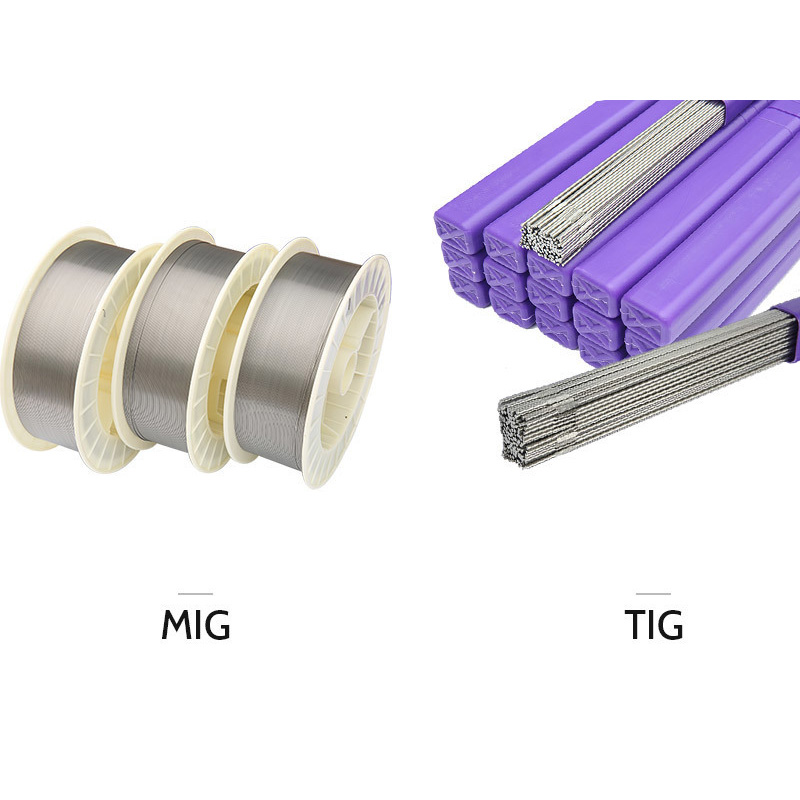
- Wire
- Rings
- Fasteners
- Custom forgings
A large number of international specifications are available, such as AMS 5662, AMS 5663, AMS 5664 and ASTM B637.
Because of its extensive industrial history, Inconel 718 is easier to source and has more manufacturing experience compared with Inconel 901.
4. Applications of Inconel 718
Inconel 718 has a very broad application range across aerospace, energy and industrial markets.
4.1.Aerospace Industry
Inconel 718 is one of the most important aerospace superalloys.
Typical applications include:
- Aircraft engine components
- Turbine disks
- Turbine shafts
- Compressor parts
- Engine casings
- Fasteners
- Rocket engine components
Its high strength, fatigue resistance and temperature capability make it suitable for critical aerospace applications.
4.2.Gas Turbine Industry
Inconel 718 is widely used in gas turbine equipment.
Applications include:
- Turbine rotors
- Disks
- Shafts
- High-temperature bolts
- Structural components
4.3.Oil and Gas Industry
Inconel 718 is also widely used in oil and gas applications requiring high strength and corrosion resistance.
Examples include:
- Downhole tools
- Valves
- Wellhead components
- High-strength fasteners
- Pressure-control equipment
4.4.Nuclear and Energy Applications
Because of its strength, corrosion resistance and reliability, Inconel 718 is used in selected nuclear and energy applications.
5. When Should You Choose Inconel 718?
Choose Inconel 718 when the application requires:
High Mechanical Strength
If the component requires excellent tensile strength and fatigue resistance, Inconel 718 is a strong candidate.
High-Temperature Service
For components exposed to elevated temperatures and mechanical loads, 718 provides reliable long-term performance.
Cyclic Loading Resistance
For rotating parts, engines and vibration environments, the fatigue performance of 718 is a major advantage.
Welding or Fabrication
When the component requires welding, repair or complex fabrication, 718 is usually preferred.
Aerospace Applications
For aircraft engines, rocket engines and turbine components, Inconel 718 is one of the most established material choices.
Wide Material Availability
For projects requiring different sizes, product forms and international certifications, 718 offers greater supply flexibility.
6. Advantages of Inconel 901 Compared with Inconel 718
6.1 Excellent Creep Resistance for Turbine Components
One of the key advantages of Inconel 901 is its excellent creep resistance.
Creep is the gradual deformation of materials under constant stress at elevated temperatures. For turbine disks and rotating components, long-term dimensional stability is extremely important.
Inconel 901 was developed for applications where stable mechanical properties must be maintained during prolonged exposure to intermediate high temperatures.
This makes 901 suitable for:
- Turbine disks
- Compressor disks
- Rotating engine components
- High-temperature forgings
6.2 Excellent Forging Performance
Inconel 901 has a long history in forged aerospace components.
Its metallurgical characteristics allow manufacturers to produce reliable large forgings with controlled microstructure and mechanical properties.
For applications requiring:
- Large forged parts
- Uniform mechanical properties
- Stable grain structure
- High-temperature reliability
Inconel 901 can provide important advantages.
6.3 Good High-Temperature Stability
Inconel 901 provides stable performance in the intermediate temperature range commonly used for turbine and aerospace applications.
Its precipitation-hardening system provides good resistance to:
- Creep deformation
- Stress rupture
- High-temperature mechanical degradation
For components designed specifically around Alloy 901 specifications, it remains a proven engineering solution.
6.4 Excellent Dimensional Stability
For rotating components such as turbine disks, dimensional stability is critical.
Inconel 901 maintains reliable mechanical properties and structural stability during long-term service.
This helps reduce:
- Thermal deformation
- Component distortion
- Premature failure caused by dimensional changes
6.5 Proven Application History in Aerospace Engines
Inconel 901 has been used for decades in aerospace engine applications, especially for turbine disks and forged rotating components.
For existing designs requiring Alloy 901, changing to another alloy may require additional qualification testing.
Therefore, Inconel 901 remains important where proven performance and established specifications are required.
7. Applications of Inconel 901
7.1.Aerospace Industry
The aerospace industry is one of the most important application areas for Inconel 901.
Typical applications include:
- Gas turbine disks
- Compressor disks
- Turbine shafts
- Rotating engine components
- Engine structural forgings
- High-temperature fasteners
7.2.Gas Turbine Industry
Inconel 901 is widely used in gas turbines because of its strength retention and creep resistance.
Typical components include:
- Turbine wheels
- Rotors
- Shafts
- Disks
- High-temperature rotating parts
7.3.Forged Components
Because of its excellent forging characteristics, Inconel 901 is suitable for:
- Heavy forgings
- Precision aerospace forgings
- High-strength structural components
7.4.Industrial High-Temperature Equipment
Inconel 901 can also be considered for applications requiring:
- High-temperature strength
- Long-term stability
- Resistance to mechanical deformation
8. When Should You Choose Inconel 901?
Choose Inconel 901 when the application requires:
Turbine Disk Applications
If the component is a turbine disk or compressor disk requiring proven Alloy 901 performance, 901 is often selected.
Long-Term Creep Resistance
For components operating under continuous stress at elevated temperatures, creep resistance is a critical factor.
Forged Aerospace Components
When the design requires large, reliable forgings with stable properties, Inconel 901 is a strong candidate.
Existing Alloy 901 Specifications
For replacement parts or existing aerospace designs, maintaining the original material specification may be necessary.
Dimensional Stability
For rotating parts where deformation must be minimized during service, Alloy 901 offers reliable performance.
Conclusion
Inconel 718 is often selected over Inconel 901 when the application requires a combination of high strength, fatigue resistance, elevated-temperature performance, corrosion resistance and manufacturing flexibility.
While Inconel 901 is suitable for specific turbine forging applications, Inconel 718 provides a more versatile performance balance and has become one of the most widely used nickel-based superalloys in aerospace, energy and high-performance industries.
In simple terms:
Choose Inconel 718 when you need maximum reliability, excellent fatigue performance, high-temperature strength and broad application flexibility.
Choose Inconel 901 when your design specifically requires its proven performance in turbine disks and forged components operating in intermediate-temperature environments.
RFQ.
-
Which alloy has better high-temperature strength, Inconel 718 or Inconel 901?
Answer:Both alloys have excellent high-temperature strength. Inconel 718 is widely used for high-temperature applications up to around 650°C, while Inconel 901 is especially suitable for intermediate-temperature turbine components requiring long-term stability. -
Which alloy has better creep resistance, Inconel 718 or Inconel 901?
Answer:Inconel 901 generally has excellent creep resistance and is widely used for turbine disks and forged components where long-term high-temperature stability is required. -
Which alloy is better for aerospace engine parts?
Answer:Both are used in aerospace. Inconel 718 is widely used for engine components, fasteners and rotating parts, while Inconel 901 is mainly selected for turbine disks, compressor disks and forged engine components. -
Which alloy has better weldability?
Answer:Inconel 718 generally has better weldability and is more suitable for welded structures and repair applications. -
When should I choose Inconel 901 instead of Inconel 718?
Answer:Choose Inconel 901 when the main requirements are creep resistance, dimensional stability and long-term performance in turbine disks or forged components. Choose Inconel 718 when high strength, fatigue resistance and manufacturing flexibility are more important.
Contact Huiyu Alloys today for nickel alloy grade selection, material specifications, customized sizes, technical consultation, and quotation.
Website: https://www.huiyualloys.com/
Email: hyalloys@gmail.com sales6@huiyualloys.com
Whatsapp: (86 )17627989936
Huiyu Alloys — Your Reliable Nickel Alloy Manufacturer & Supplier in China.