


 Cr15Al5
 Cr19Al3
 Cr25Al5
 Cr23Al5Ti
 Cr21Al16Nb
 Cr27Al7Mo2
 Cr20Ni80
 Cr30Ni70
 Cr15Ni60
 Inconel 625
 Inconel 718
 Inconel 725
 Inconel X-750
 Inconel 690
 Inconel 617
 Inconel 601
 Inconel 600
 Inconel 686
 Inconel 602CA
 Incoloy A-286
 Incoloy 825
 Incoloy 925
 Incoloy 926
 Incoloy 800
 Incoloy 800H
 Incoloy 800HT
 Incoloy 909
 Incoloy 31
 Incoloy 901
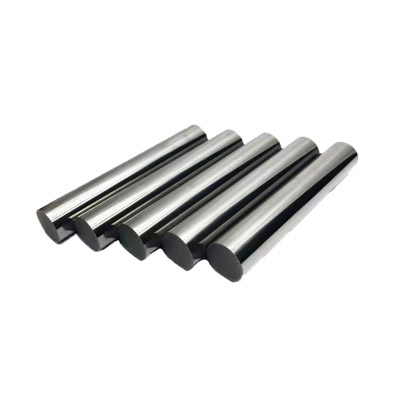 Monel K-500
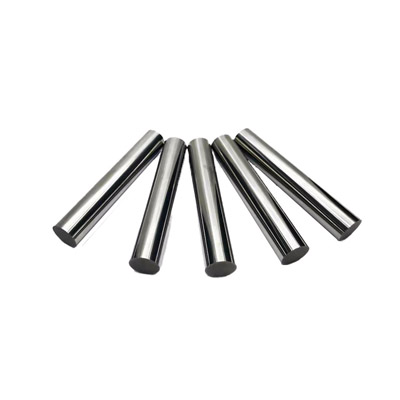 Monel 400
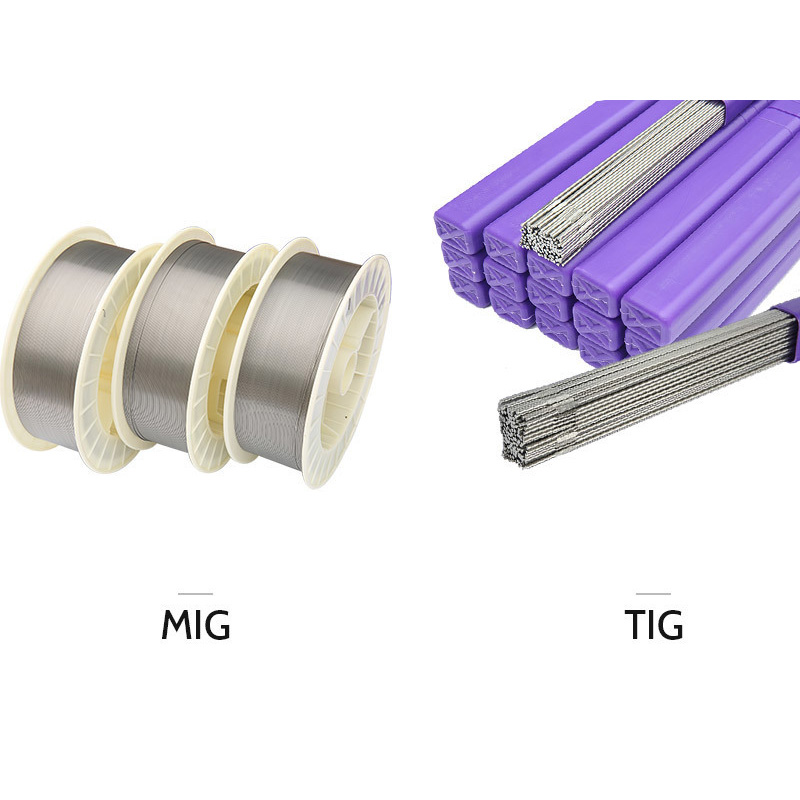 Nimonic 263
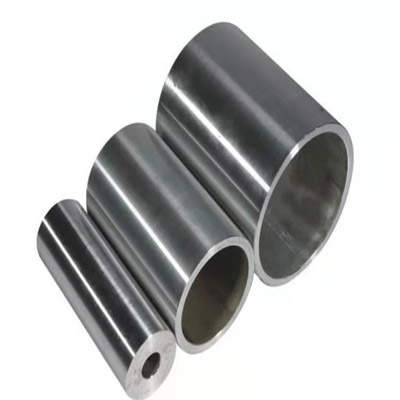 Nimonic 75
 Nimonic 80A
 Nimonic 90
 Nimonic PE11
 Nimonic PE16
 Nimonic PK33
 Nimonic 901
 Nimonic 81
 Nimonic 86
 Nimonic 105
 Nimonic 115
 Hastelloy C-276
 Hastelloy C
 Hastelloy C4
 Hastelloy C-22
 Hastelloy C-2000
 Hastelloy B-2
 Hastelloy B-3
 Hastelloy G30
 Hastelloy X
 Super Invar 32-5(4J32)
 Alloy 36(4J36)
 Alloy 42(4J42)
 Alloy 50(1J50)
 Hiperco 50(1J22)
 Alloy 46
 Permalloy (1J79)
 Supermalloy(1J85)
 ERNiCrMo-2
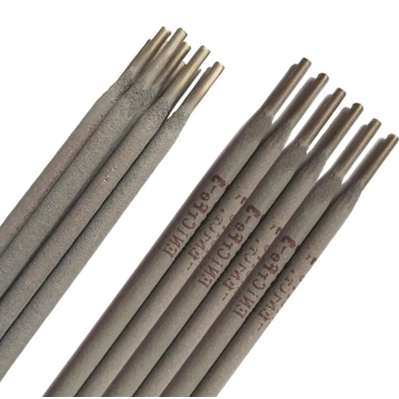 ERNiCrMo-3
 ERNiCrMo-4
 ERNiCrFe-7
 ERNiCrFe-7A
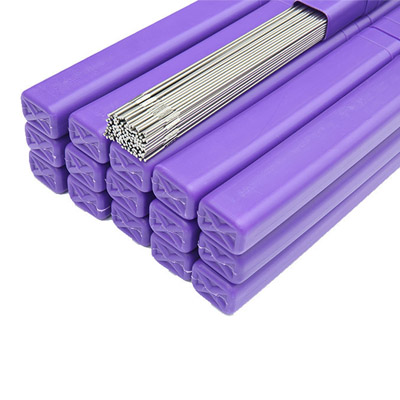 ERNiCrMo-10
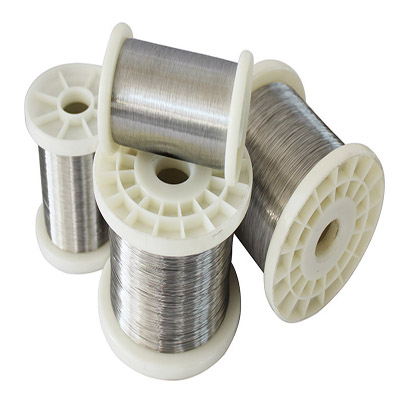 ERNiCrCoMo-1
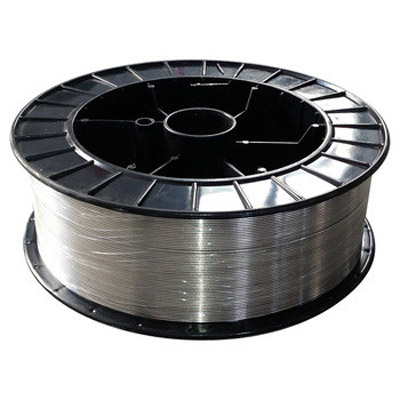 ERNiFeCr-2
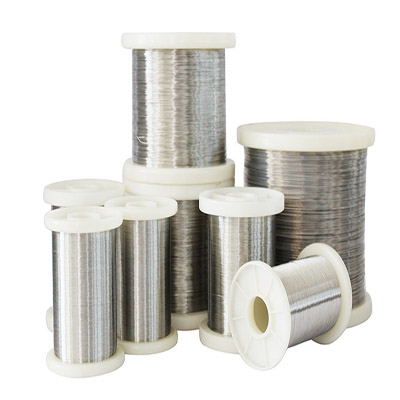 ERNiFeCr-1
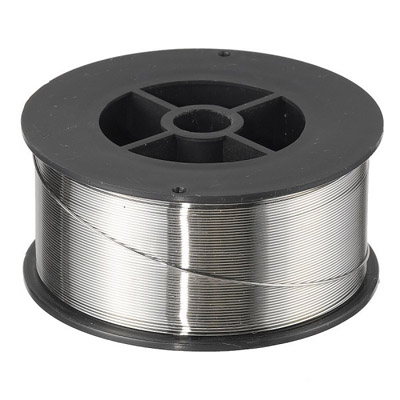 ERNiMo-8
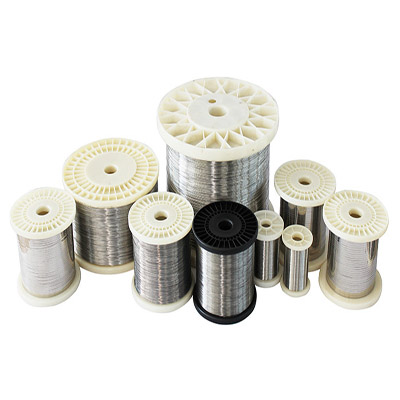 ERNiCrMo-13
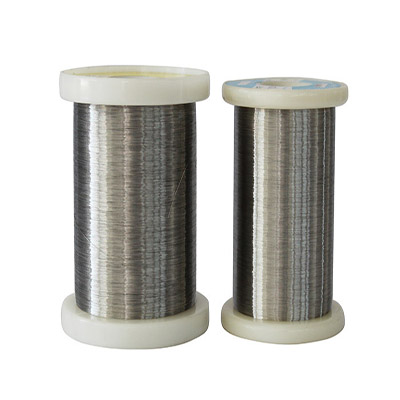 ERNiCr-4
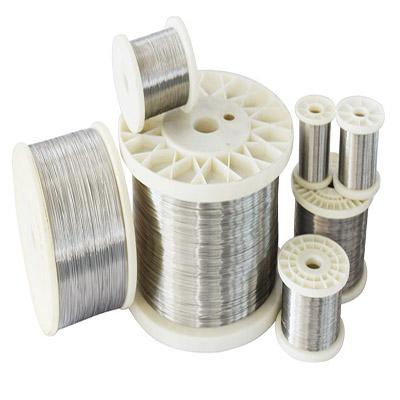 ERNiCr-3
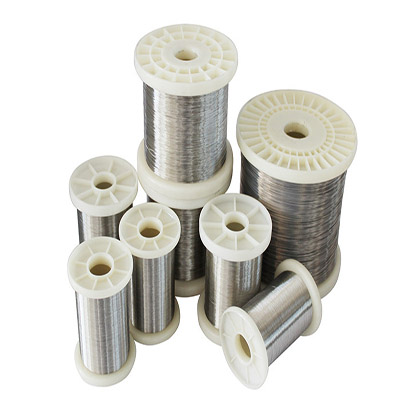 ERNi-1
 Haynes-25
 Hayness-188
 MP35N
 Refractory 26
 Waspaloy alloy
 17-4PH
 17-7PH
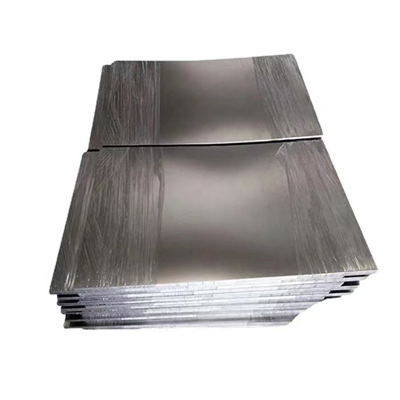 904L
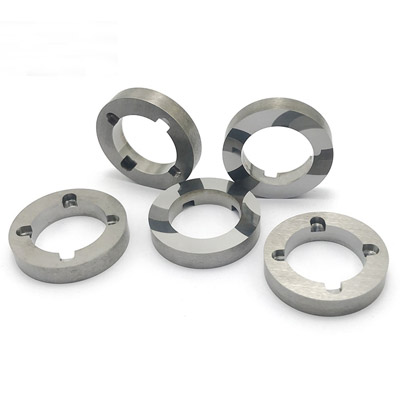 Nitronic 50
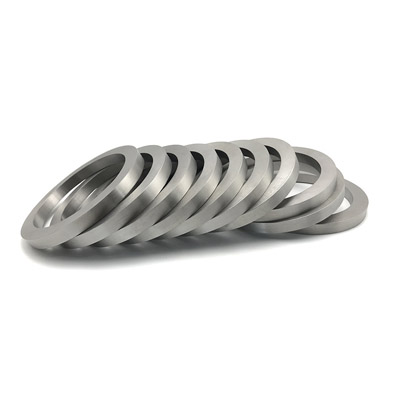 Nitronic 60
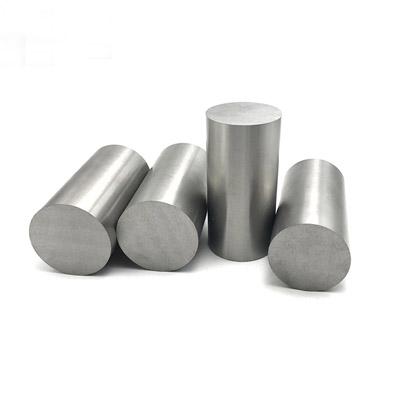 AL-6XN
 F55
 PH 13-8
 Haynes-230
 Nickel 200
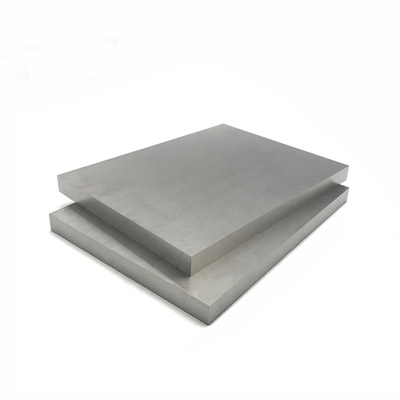
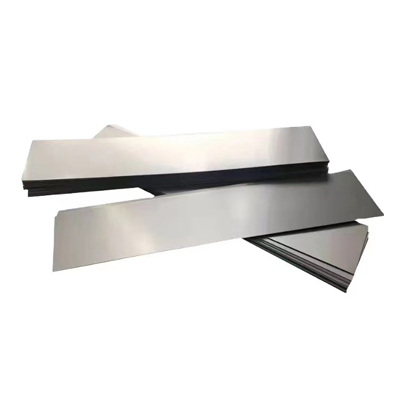
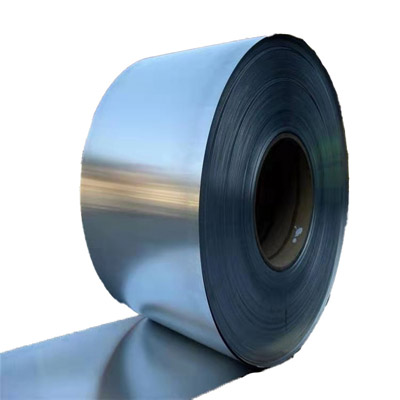
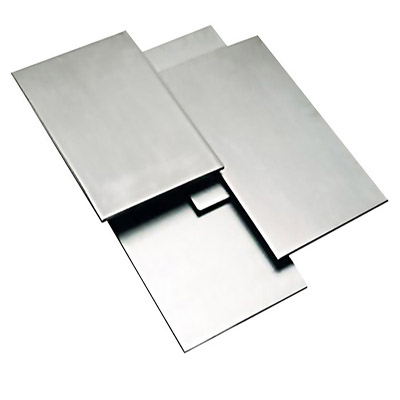
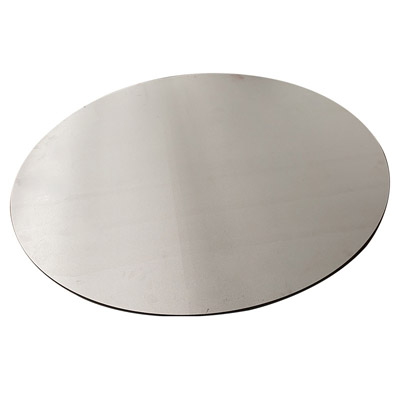
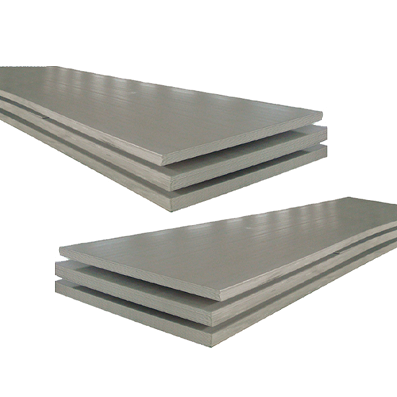 Sheet & Plate
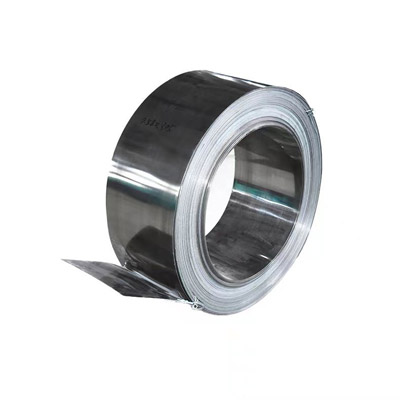
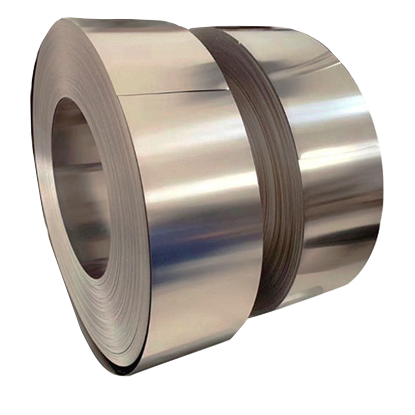 Strip & Foil
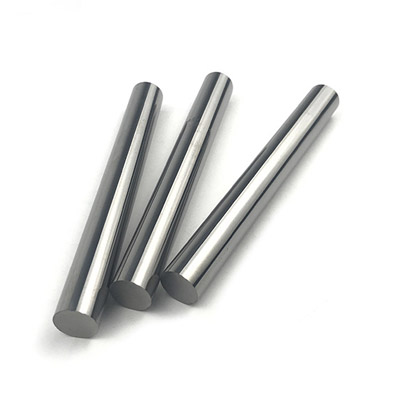
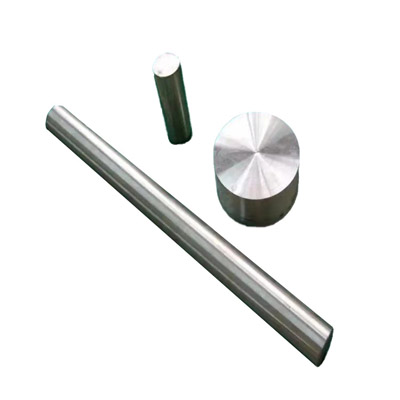
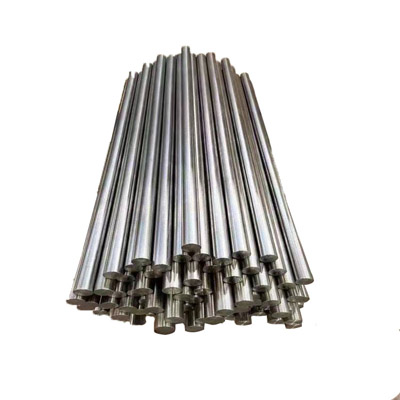
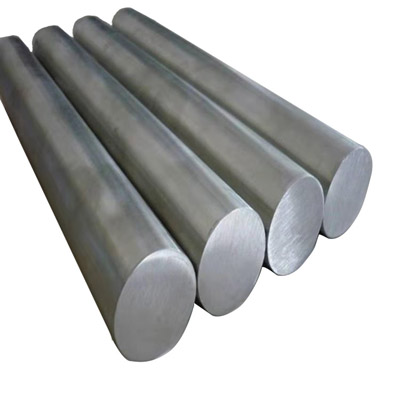
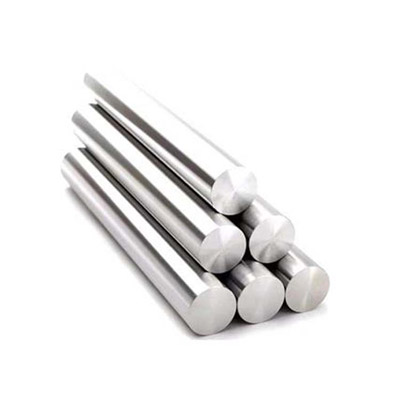
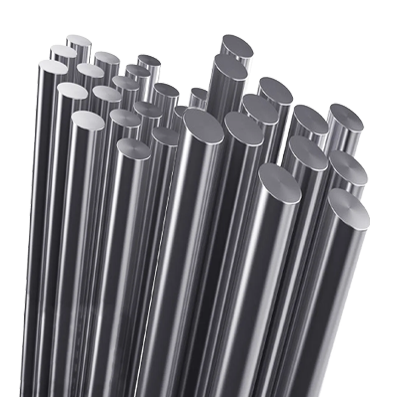 Bar & Rod
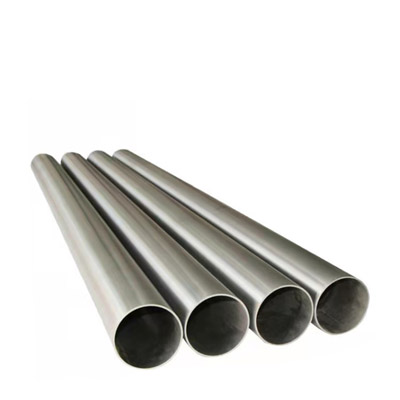
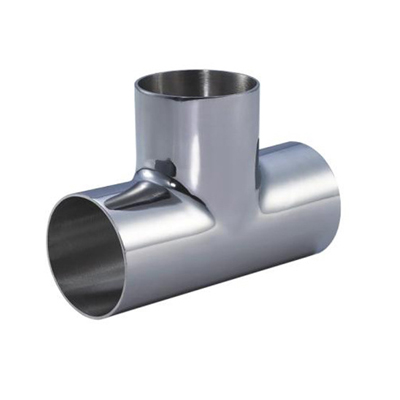
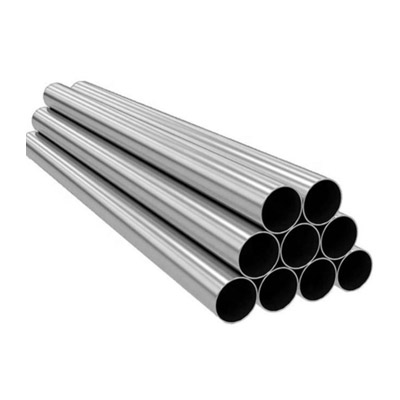 Pipe & Tube
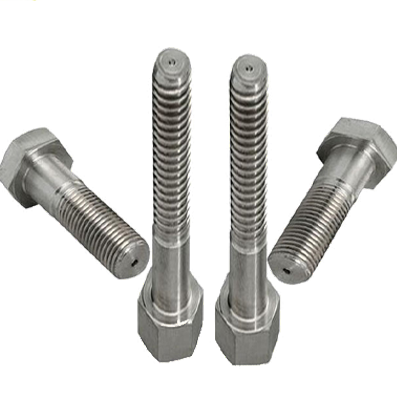 Bolts & Fasteners
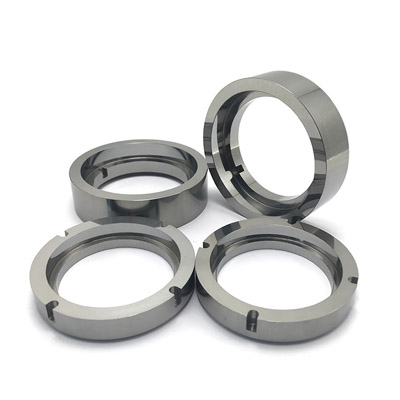
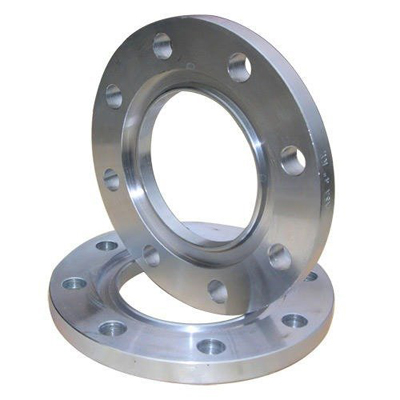
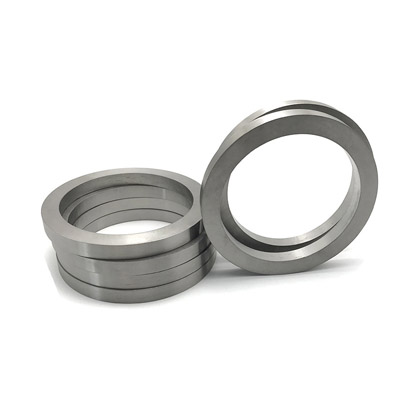
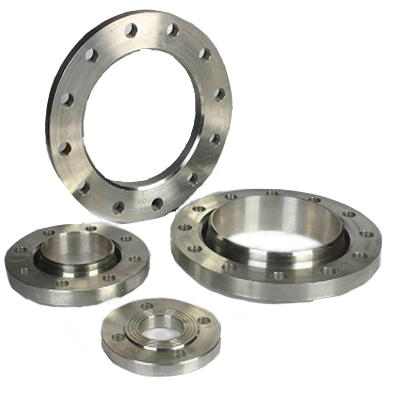 Flange & Ring
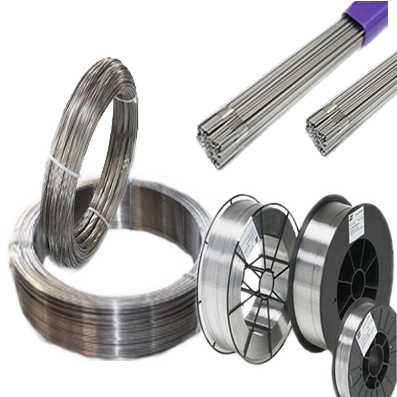
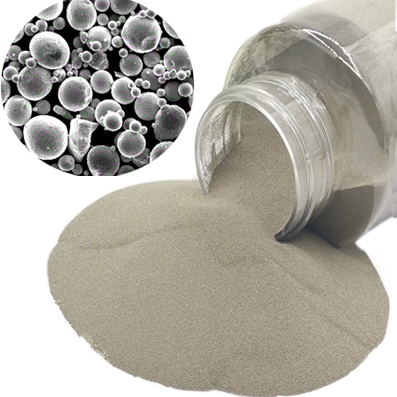 Nickel Alloy Powder


Inconel 718 vs Inconel 725: Key Differences, Properties and Applications
Inconel 718 and Inconel 725 are both high-performance nickel-based superalloys designed for demanding industrial environments. Although they share nickel-chromium-molybdenum chemistry and excellent mechanical properties, they are optimized for different applications.
Inconel 718 is widely recognized for its high strength, excellent fatigue resistance and good performance at elevated temperatures. Inconel 725, on the other hand, is particularly valued for its outstanding corrosion resistance, high strength and resistance to hydrogen embrittlement in severe oil and gas environments.
Understanding the differences between Inconel 718 and Inconel 725 helps engineers select the appropriate material for aerospace, oil and gas, marine and high-performance industrial applications.
1. What Is Inconel 718?
Inconel 718 is a nickel-iron-chromium precipitation-hardening superalloy containing significant amounts of niobium, molybdenum and titanium.
Its strengthening system allows Inconel 718 to achieve high tensile strength, yield strength, fatigue resistance and creep resistance while maintaining good performance at elevated temperatures.
2. What Is Inconel 725?
Inconel 725, also known as Alloy 725 and UNS N07725, is a nickel-chromium-molybdenum-niobium alloy that can be age hardened to achieve very high strength.
Its nominal chemistry includes approximately 19–22.5% chromium, 7–9.5% molybdenum, 2.75–4.0% niobium and 1.0–1.7% titanium, with nickel as the principal element.
3. Advantages of Inconel 718 Over Inconel 725
3.1 Better High-Temperature Mechanical Performance
One of the biggest advantages of Inconel 718 is its excellent mechanical performance at elevated temperatures.
It was developed specifically to provide a combination of high strength, fatigue resistance and creep resistance at high temperatures.
This makes 718 highly suitable for:
- Aircraft engines
- Gas turbines
- Rocket engines
- Turbine components
- High-temperature fasteners
- Engine shafts and rings
When the primary requirement is reliable mechanical strength under elevated-temperature service, Inconel 718 is often a more logical choice than Inconel 725.
3.2 Excellent Fatigue Resistance
Inconel 718 has excellent fatigue performance and is widely used in components subjected to repeated or cyclic loading.
Aerospace components can experience thousands or millions of loading cycles during their service life. The ability of 718 to maintain strength and resist fatigue cracking is therefore a major advantage.
Typical applications include rotating engine components, shafts, disks, fasteners and other highly stressed parts.
3.3 Strong Aerospace Track Record
Inconel 718 has a very extensive history in the aerospace industry.
It is used for many critical components because it combines:
- High strength
- Good fatigue resistance
- Elevated-temperature capability
- Corrosion resistance
- Good weldability
- Good manufacturability
In contrast, Inconel 725 is much more strongly associated with oil and gas, subsea and corrosion-critical applications.
Therefore, for aerospace applications, 718 is generally the more established and appropriate choice.
3.4 Excellent Precipitation-Hardening Capability
Inconel 718 can be precipitation hardened to achieve very high mechanical strength.
Its strengthening mechanism is associated primarily with nickel-based precipitates involving niobium, titanium and aluminum.
This allows engineers to select suitable heat-treatment conditions according to the required mechanical properties and application.
For components requiring a combination of high strength and controlled heat treatment, 718 provides a mature and widely used material system.
3.5 Good Weldability
Compared with many high-strength nickel-based superalloys, Inconel 718 has relatively good weldability.
This is an important advantage when manufacturing complex components or welded assemblies.
The alloy has been widely studied for welding, fabrication and repair applications, which gives manufacturers substantial experience in controlling welding-related defects and heat-affected-zone behavior.
3.6 Wide Availability and Product Selection
Another practical advantage of Inconel 718 is its extensive commercial availability.
718 can be obtained in many forms and sizes from qualified nickel-alloy manufacturers and mills.
Common specifications include:
- AMS 5662
- AMS 5663
- AMS 5664
- ASTM B637
- ASTM B670
- ASTM B637-related forged products
- ASME SB-637
The exact specification should always be selected according to the product form and application.
Because 718 has a large global supply chain, it can also be easier to source than more specialized nickel alloys.
4. Inconel 718 Applications
Inconel 718 has a very broad application range.
4.1.Aerospace
Aerospace is one of the most important application areas for Inconel 718.
Typical components include:
- Aircraft engine parts
- Turbine disks
- Turbine shafts
- Rings
- Casings
- Engine fasteners
- Bolts
- Seals
- Rocket engine components
Its combination of strength, fatigue resistance and elevated-temperature performance makes it suitable for demanding aerospace environments.
4.2.Gas Turbines
Inconel 718 is also used in gas turbine equipment and other power-generation applications.
It can be used for components exposed to high temperatures, mechanical stress and corrosive combustion gases.
4.3.Oil and Gas
Although Inconel 725 has advantages in some severe corrosion and sour-service environments, Inconel 718 is also widely used in oil and gas equipment.
Typical applications include:
- Downhole tools
- Valves
- Fasteners
- Wellhead components
- High-strength shafts
- Connectors
- Drilling equipment
The specific environmental requirements should be reviewed before selecting 718 for sour service.
4.4.Nuclear Industry
Inconel 718 is used in selected nuclear applications because of its high strength, corrosion resistance and good performance under demanding operating conditions.
4.5.Industrial Equipment
Other applications include:
- High-temperature bolts
- Springs
- Pumps
- Shafts
- Gears
- Instrumentation components
- High-performance fasteners
- Chemical processing equipment
5. When Should You Choose Inconel 718?
Inconel 718 is a strong candidate when several of the following requirements apply:
Choose 718 for High-Temperature Applications
If the component must maintain high mechanical strength at elevated temperatures, 718 is often an excellent choice.
Choose 718 for Cyclic Loading
If fatigue resistance is a major design requirement, 718 offers an established combination of strength and fatigue performance.
Choose 718 for Aerospace Components
For aircraft engines, turbine components, rocket engines and aerospace fasteners, 718 is one of the most widely established nickel-based alloy choices.
Choose 718 When High Strength Is Critical
If high tensile strength and yield strength are required, precipitation-hardened Inconel 718 can provide excellent mechanical properties.
Choose 718 When Weldability Matters
For components requiring welding or fabrication, 718 offers an important balance between high strength and manufacturability.
Choose 718 When Availability Is Important
If the project requires standard nickel-alloy products in multiple dimensions and forms, 718 is often easier to source because of its extensive industrial use.
6. Main Advantages of Inconel 725 Over Inconel 718
6.1 Superior Corrosion Resistance
The most important advantage of Inconel 725 over Inconel 718 is corrosion resistance.
Inconel 725 contains substantially more molybdenum and somewhat more chromium than Inconel 718. This alloy design provides improved resistance to localized corrosion, particularly pitting and crevice corrosion.
This difference becomes especially important in:
- Seawater
- Chloride-containing environments
- Offshore equipment
- Subsea systems
- Brines
- Oil and gas production fluids
- Sour-gas environments
Research on offshore and subsea materials identifies UNS N07725 as one of the precipitation-hardenable nickel alloys selected when improved localized corrosion performance is required.
6.2 Better Resistance to Pitting and Crevice Corrosion
Pitting and crevice corrosion can be particularly dangerous because serious localized damage can occur even when general corrosion rates appear low.
Inconel 725 offers excellent resistance to pitting and crevice corrosion in seawater. Its corrosion performance is one of the major reasons it is selected for demanding marine and subsea applications.
This gives 725 an important advantage over 718 when the component is continuously exposed to seawater or high concentrations of chlorides.
6.3 Better Performance in Sour-Gas Environments
Oil and gas equipment can encounter a combination of:
- Hydrogen sulfide (H₂S)
- Carbon dioxide (CO₂)
- Chlorides
- Formation water
- High pressure
- Elevated temperature
These conditions can cause severe corrosion and environmentally assisted cracking.
Inconel 725 was specifically developed for applications where high strength and resistance to aggressive oil and gas environments are required. It is used in sour-gas service and provides resistance to the effects of hydrogen sulfide, chlorides and carbon dioxide.
This is one of the clearest situations where Inconel 725 can be preferred over Inconel 718.
6.4 Excellent Resistance to Stress-Corrosion Cracking
Inconel 725 provides strong resistance to stress-corrosion cracking in demanding environments.
The combination of nickel, chromium and molybdenum provides a strong corrosion-resistant matrix, while precipitation hardening provides the required mechanical strength.
For components exposed simultaneously to mechanical stress and aggressive fluids, this combination can be more important than simply achieving the highest possible tensile strength.
6.5 Strong Combination of Strength and Corrosion Resistance
A major advantage of Inconel 725 is that it bridges the gap between corrosion-resistant alloys and high-strength precipitation-hardened alloys.
Special Metals describes Alloy 725 as offering the high strength associated with precipitation-hardened alloys together with excellent corrosion resistance.
This combination is particularly valuable when an engineer needs:
High strength + corrosion resistance + toughness + resistance to environmentally assisted cracking
rather than focusing on only one property.
6.6 High Strength Without Relying on Cold Work
Inconel 725 obtains its strength through heat treatment rather than cold working.
This is advantageous for large or non-uniform sections where cold working may be difficult or impractical. The heat-treatment strengthening mechanism also allows good ductility and toughness to be retained.
This characteristic is particularly useful for large oil and gas components, forgings and high-strength fasteners.
7. Inconel 725 Applications
7.1 Oil and Gas Industry
Oil and gas is one of the most important application areas for Inconel 725.
Typical components include:
- Tubing hangers
- Wellhead components
- Landing nipples
- Side-pocket mandrels
- Polished bore receptacles
- Downhole equipment
- High-strength fasteners
- Valve components
- Completion equipment
These applications can involve high pressure, chlorides, CO₂ and H₂S, making corrosion resistance a critical design requirement.
7.2 Subsea Equipment
Inconel 725 is particularly attractive for subsea applications because seawater can cause pitting and crevice corrosion in many engineering alloys.
Typical applications include:
- Subsea valves
- Connectors
- Fasteners
- Wellhead components
- Subsea completion equipment
- Control-system components
- Offshore production equipment
The combination of high strength and seawater corrosion resistance makes 725 a strong candidate for long-term subsea service.
7.3 Marine Applications
Inconel 725 can be used for high-strength marine components exposed to seawater.
Examples include:
- Marine fasteners
- Shafts
- Valve components
- Connectors
- Offshore structures
- Marine equipment
Its resistance to pitting and crevice corrosion is especially valuable in seawater environments.
7.4 Chemical Processing Equipment
Inconel 725 can also be considered for chemical-processing applications where both corrosion resistance and mechanical strength are required.
Potential applications include:
- Pumps
- Valves
- Shafts
- Fasteners
- Pressure-containing components
- Chemical-processing equipment
The actual suitability depends on the chemical composition, concentration, temperature and operating conditions of the process fluid.
7.5 High-Strength Fasteners
High-strength fasteners are another important application.
Inconel 725 can provide high mechanical strength while maintaining good corrosion resistance in marine and offshore environments.
This makes it attractive for bolts, studs, nuts and other high-strength fastening components exposed to aggressive environments.
8. When Should You Choose Inconel 725 Instead of Inconel 718?
Choose Inconel 725 When Corrosion Resistance Is the Priority
If the component will be exposed to seawater, chlorides, brines or aggressive production fluids, 725 should be seriously considered.
Choose Inconel 725 for Subsea Applications
For long-term subsea service, resistance to pitting and crevice corrosion can be more important than maximizing high-temperature strength.
In these conditions, 725 generally has a significant advantage over 718.
Choose Inconel 725 for Sour-Gas Service
When H₂S, CO₂ and chlorides are present, Inconel 725 is particularly attractive.
It has established use in sour-gas applications and is associated with NACE requirements for sour-service materials.
Choose Inconel 725 When High Strength and Corrosion Resistance Are Both Required
Some applications cannot compromise either mechanical strength or corrosion resistance.
For example, a subsea fastener must be strong enough to withstand mechanical loads while also surviving prolonged exposure to seawater.
This is exactly the type of application where Inconel 725 provides significant value.
Choose Inconel 725 for Large or Complex Sections
Because 725 can be strengthened through heat treatment rather than relying on cold work, it can be advantageous for large or non-uniform sections.
Conclusion.
Inconel 718 and Inconel 725 are both high-performance nickel-based alloys designed for demanding applications. Although both alloys offer high strength and good corrosion resistance, they have different performance advantages. Choosing between Inconel 718 and Inconel 725 depends mainly on the operating temperature, mechanical requirements and corrosion environment.
choose Inconel 718 for high-temperature mechanical performance, and choose Inconel 725 when severe corrosion resistance and high strength are required together.
The final material selection should consider temperature, pressure, mechanical loading, corrosion conditions and the applicable material standard.
1. Which alloy has better corrosion resistance, Inconel 718 or Inconel 725?
Answer: Inconel 725 generally has better corrosion resistance, especially against seawater, chlorides, pitting and crevice corrosion.
2. Which alloy is better for high-temperature applications?
Answer: Inconel 718 is generally preferred for high-temperature applications because of its excellent strength, fatigue resistance and elevated-temperature performance.
3. Which alloy is better for oil and gas sour-service applications?
Answer: Inconel 725 is generally preferred because of its excellent resistance to H₂S, CO₂, chlorides and localized corrosion.
4. Which alloy has higher strength, Inconel 718 or Inconel 725?
Answer: Both can achieve high strength through precipitation hardening. The required heat treatment and product specification should be considered when comparing actual mechanical properties.
5. When should I choose Inconel 718 instead of Inconel 725?
Answer: Choose Inconel 718 for aerospace, gas turbines and applications where high-temperature strength and fatigue resistance are the main requirements. Choose Inconel 725 when severe corrosion resistance and high strength are required together.
Contact Jiangsu HY-Tech Alloys Co., Ltd today for nickel alloy grade selection, material specifications, customized sizes, technical consultation, and quotation.
Website: https://www.huiyualloys.com/
Email: hyalloys@gmail.com sales6@huiyualloys.com
Whatsapp: (86 )17627989936
Huiyu Alloys — Your Reliable Nickel Alloy Manufacturer & Supplier in China.