


 Cr15Al5
 Cr19Al3
 Cr25Al5
 Cr23Al5Ti
 Cr21Al16Nb
 Cr27Al7Mo2
 Cr20Ni80
 Cr30Ni70
 Cr15Ni60
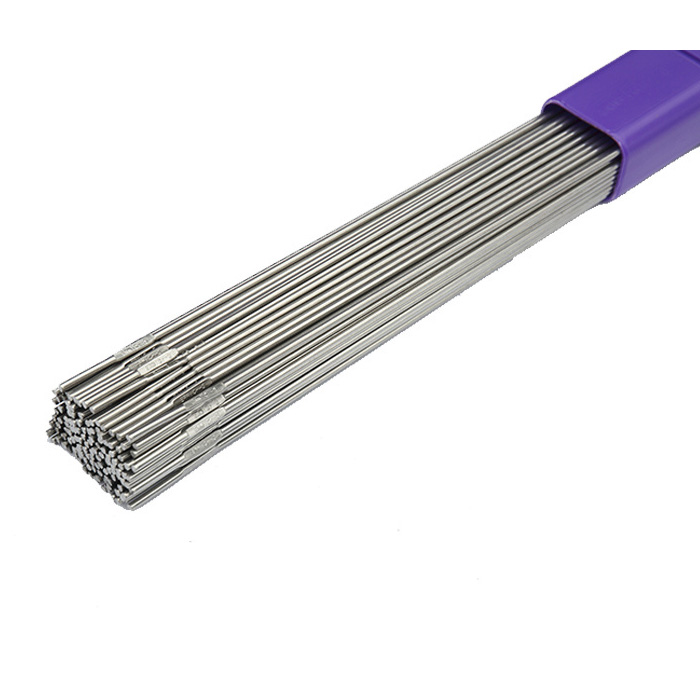 Inconel 625
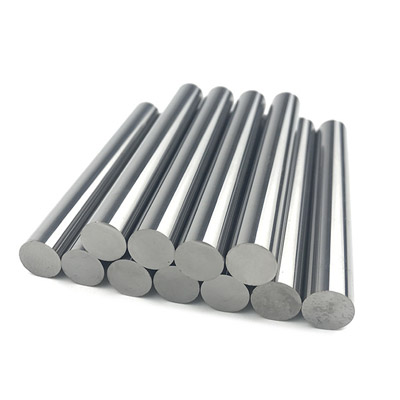 Inconel 718
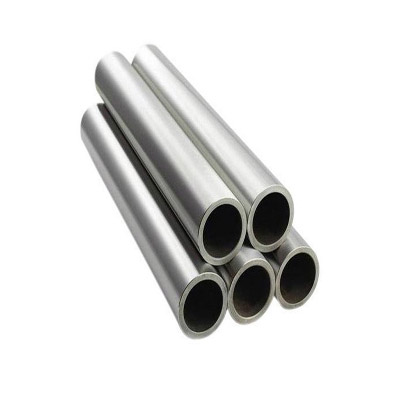 Inconel 725
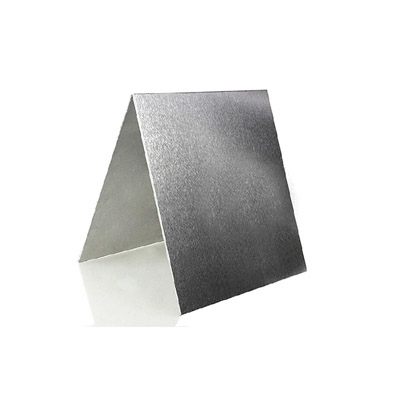 Inconel X-750
 Inconel 690
 Inconel 617
 Inconel 601
 Inconel 600
 Inconel 686
 Inconel 602CA
 Incoloy A-286
 Incoloy 825
 Incoloy 925
 Incoloy 926
 Incoloy 800
 Incoloy 800H
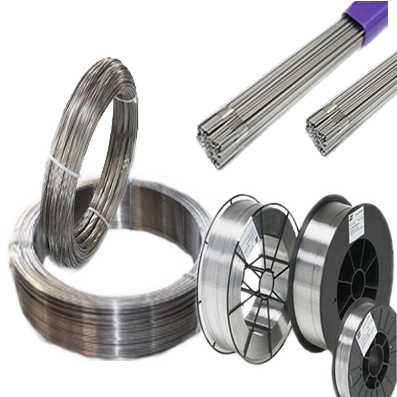 Incoloy 800HT
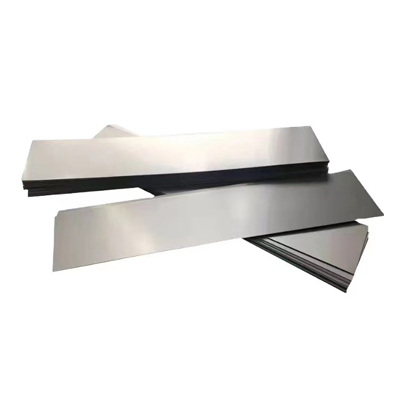 Incoloy 909
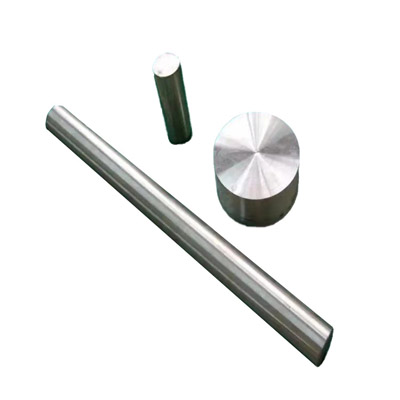 Incoloy 31
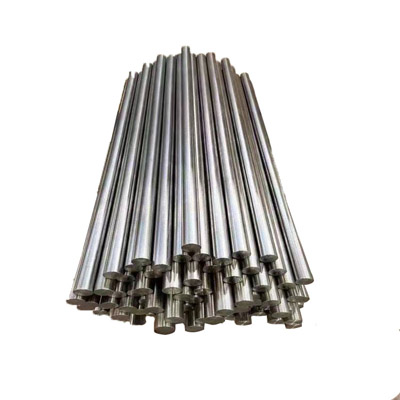 Incoloy 901
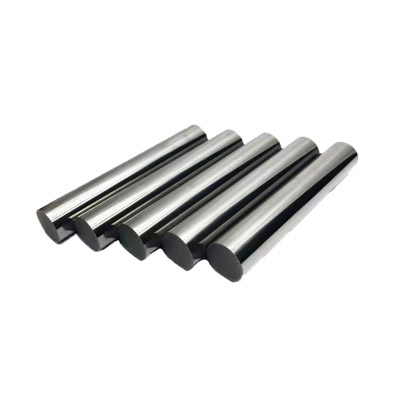 Monel K-500
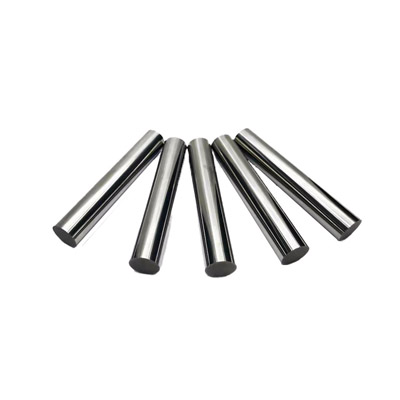 Monel 400
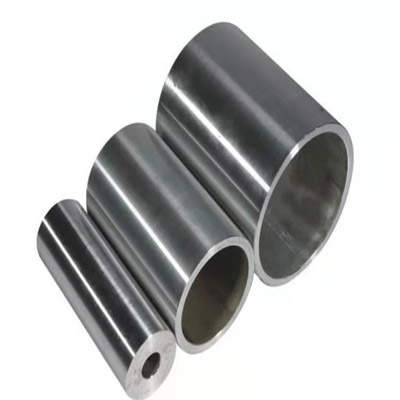
 Nimonic 263
 Nimonic 75
 Nimonic 80A
 Nimonic 90
 Nimonic PE11
 Nimonic PE16
 Nimonic PK33
 Nimonic 901
 Nimonic 81
 Nimonic 86
 Nimonic 105
 Nimonic 115
 Hastelloy C-276
 Hastelloy C
 Hastelloy C4
 Hastelloy C-22
 Hastelloy C-2000
 Hastelloy B-2
 Hastelloy B-3
 Hastelloy G30
 Hastelloy X
 Super Invar 32-5(4J32)
 Alloy 36(4J36)
 Alloy 42(4J42)
 Alloy 50(1J50)
 Hiperco 50(1J22)
 Alloy 46
 Permalloy (1J79)
 Supermalloy(1J85)
 ERNiCrMo-2
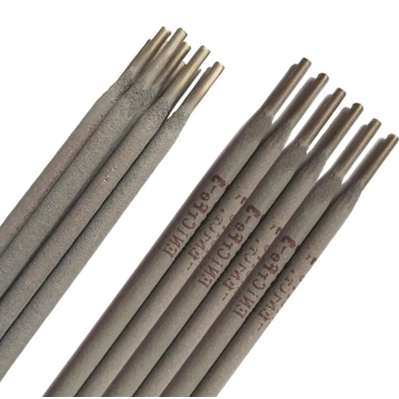 ERNiCrMo-3
 ERNiCrMo-4
 ERNiCrFe-7
 ERNiCrFe-7A
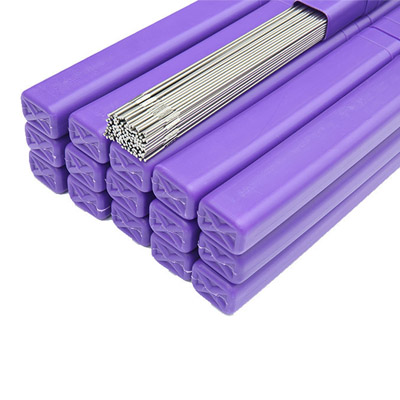 ERNiCrMo-10
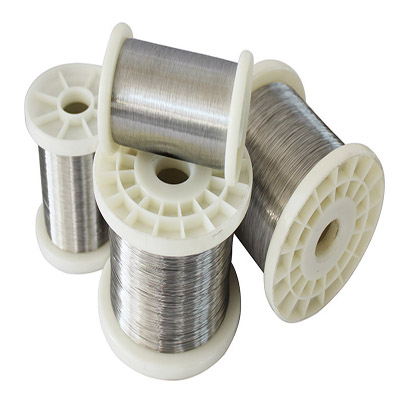 ERNiCrCoMo-1
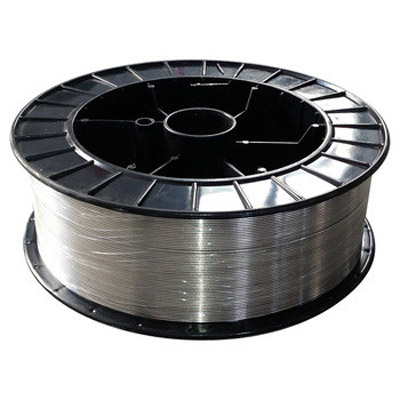 ERNiFeCr-2
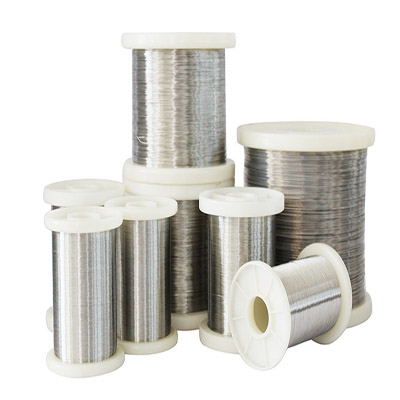 ERNiFeCr-1
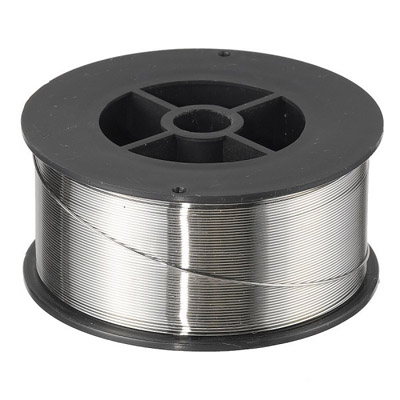 ERNiMo-8
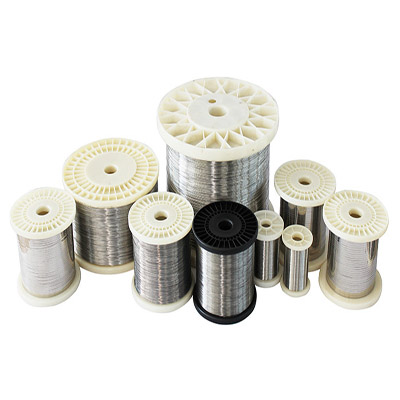 ERNiCrMo-13
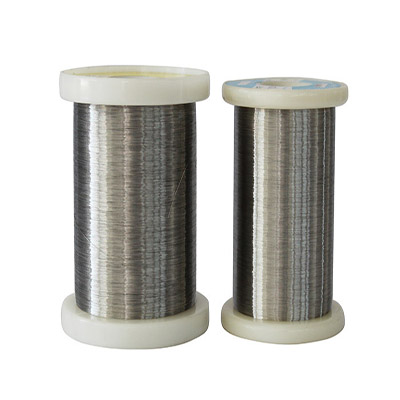 ERNiCr-4
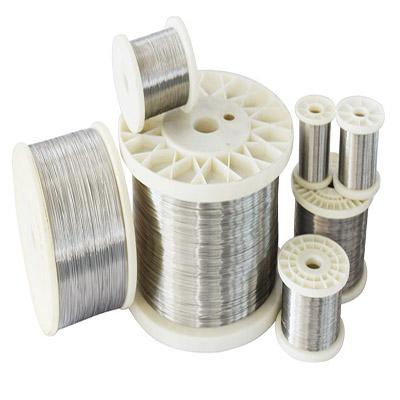 ERNiCr-3
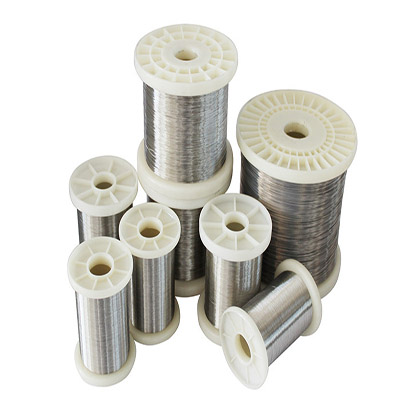 ERNi-1
 Haynes-25
 Hayness-188
 MP35N
 Refractory 26
 Waspaloy alloy
 17-4PH
 17-7PH
 904L
 Nitronic 50
 Nitronic 60
 AL-6XN
 F55
 PH 13-8
 Haynes-230
 Nickel 200
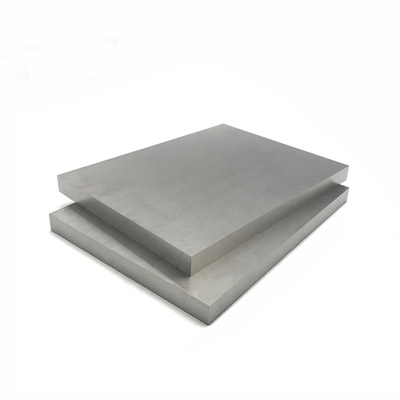
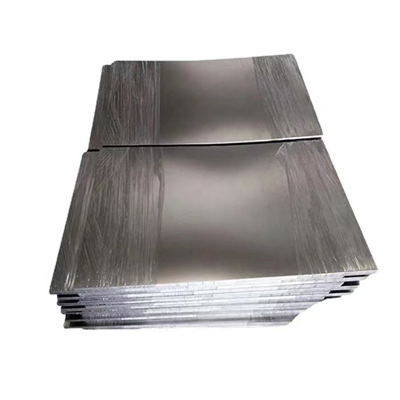
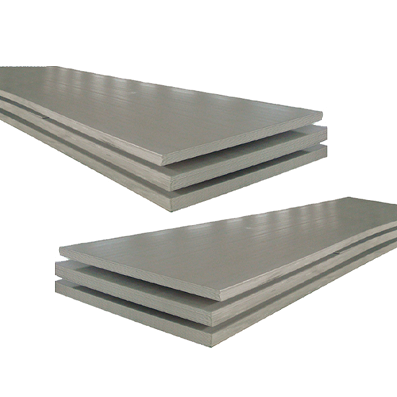 Sheet & Plate
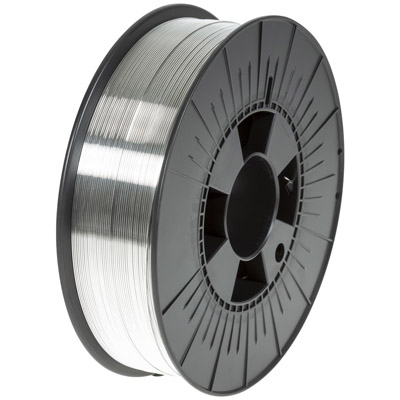
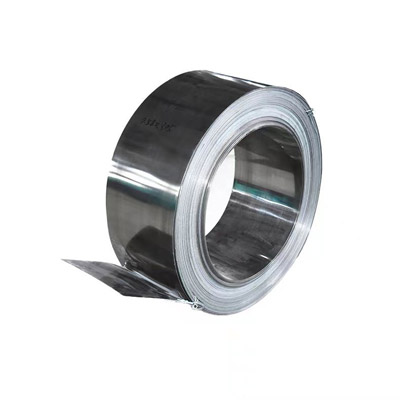
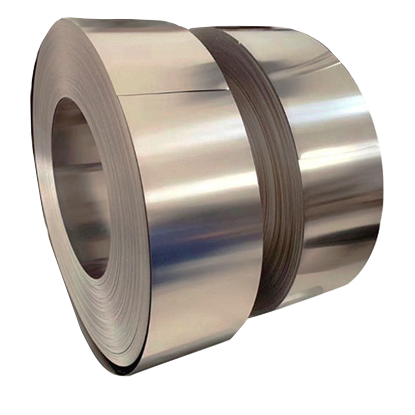 Strip & Foil
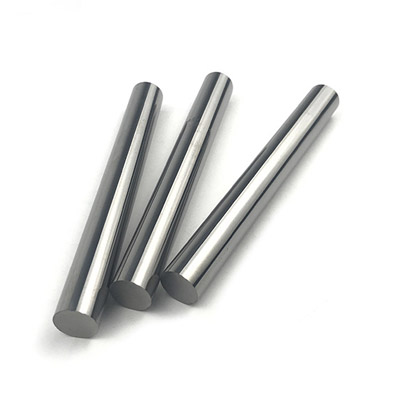
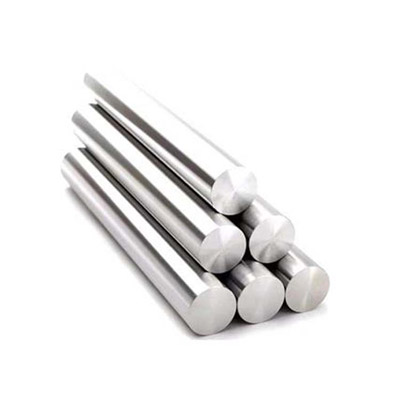
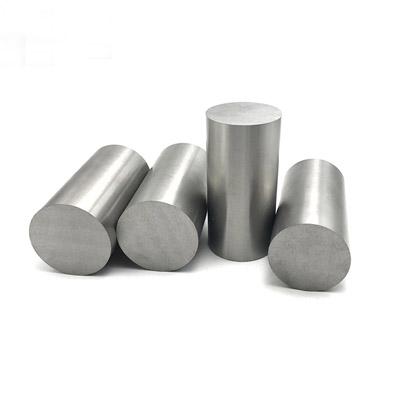
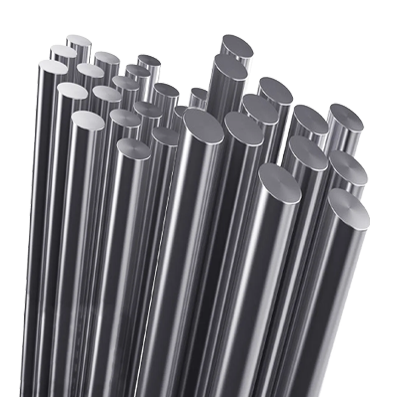 Bar & Rod
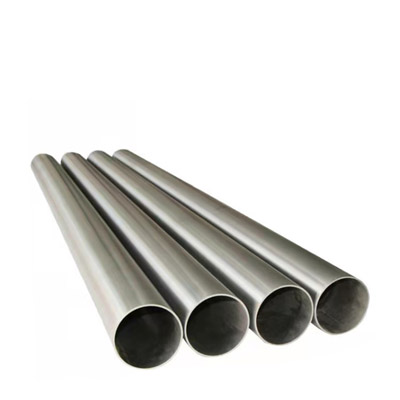
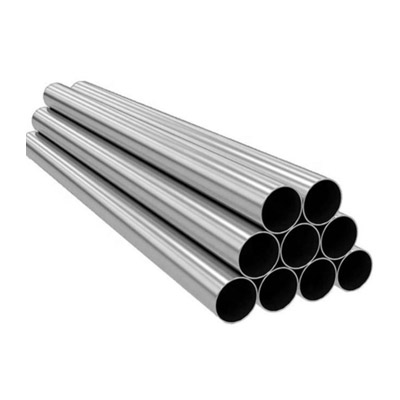 Pipe & Tube
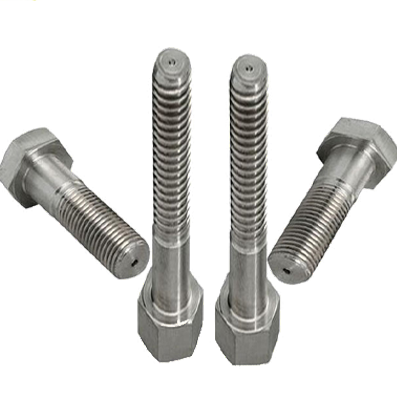 Bolts & Fasteners
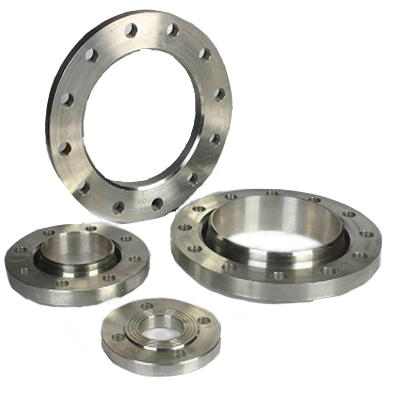 Flange & Ring
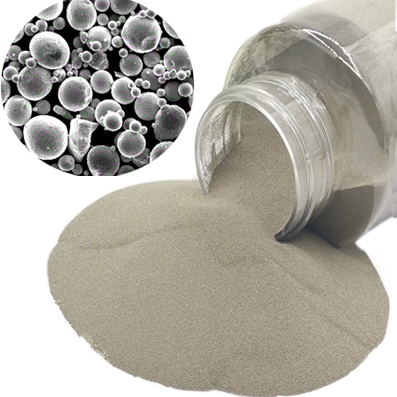 Nickel Alloy Powder


Inconel 625 vs Inconel 622: Composition, Corrosion Resistance, Properties and Applications
Inconel 625 and Inconel 622 are nickel-based alloys designed for demanding corrosion and high-temperature environments. Both alloys contain significant amounts of chromium and molybdenum and provide excellent resistance to pitting, crevice corrosion, and stress corrosion cracking.
However, their chemical compositions and strengthening mechanisms are different, making them suitable for different industrial applications. This article compares Inconel 625 vs Inconel 622 in terms of chemical composition, properties, corrosion resistance, applications, and material selection.
1. What Is Inconel 625?
Inconel 625, UNS N06625, is a nickel-chromium-molybdenum alloy strengthened mainly by molybdenum and niobium.
The alloy offers an excellent combination of:
- High corrosion resistance
- Good resistance to pitting and crevice corrosion
- High strength
- Good oxidation resistance
- Excellent weldability
- Good resistance to chloride-containing environments
Inconel 625 is widely used in chemical processing, marine engineering, oil and gas, aerospace, power generation, and pollution-control equipment.
2. What Is Inconel 622?
Inconel 622, UNS N06022, is a nickel-chromium-molybdenum alloy developed primarily for severe corrosion environments.
Compared with Inconel 625, Alloy 622 has a higher chromium and molybdenum content and does not rely on niobium for strengthening.
Its high chromium and molybdenum levels provide excellent resistance to:
- Pitting corrosion
- Crevice corrosion
- Chloride corrosion
- Oxidizing acids
- Reducing acids
- Wet chlorine-containing environments
- Aggressive chemical-process environments
Inconel 622 is particularly suitable for chemical processing and pollution-control applications where corrosion resistance is the primary requirement.
3. Advantages of Inconel 625 Compared with Inconel 622
3.1 Higher Strength-to-Cost Versatility
One of the most important advantages of Inconel 625 is its combination of corrosion resistance and mechanical strength.
The precipitation-strengthening contribution from niobium and the alloy's overall composition allow 625 to achieve high strength without requiring the same type of age-hardening treatment used by some precipitation-hardening nickel alloys.
This makes Inconel 625 attractive when both mechanical loading and corrosion resistance are important.
3.2 Excellent Weldability
Inconel 625 is widely recognized for its excellent weldability.
It can be welded using several common processes, including:
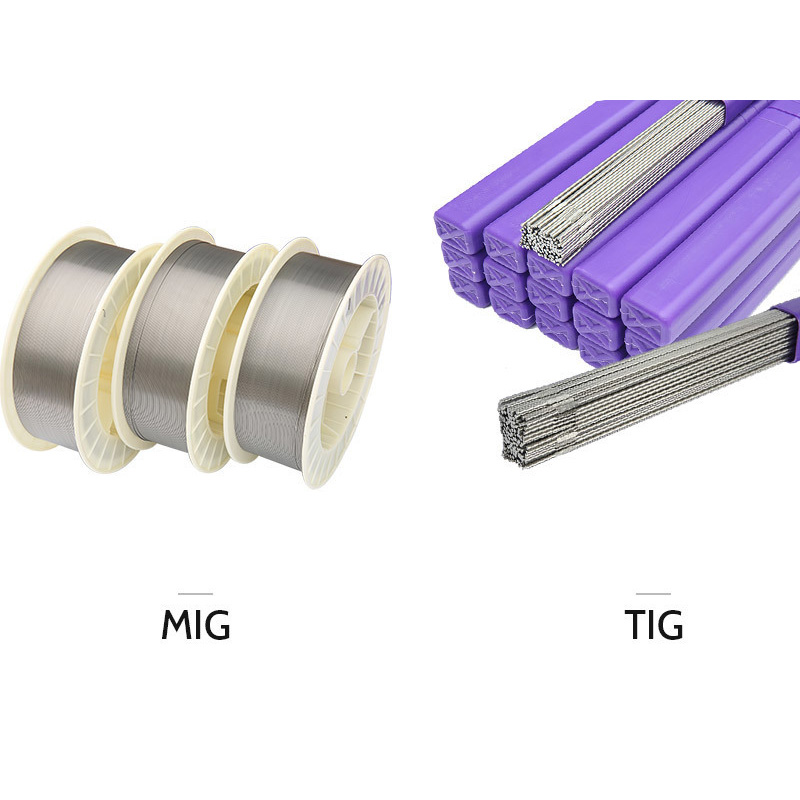
- GTAW/TIG
- GMAW/MIG
- SMAW
- SAW
Its good weldability makes 625 particularly useful for fabricated equipment, piping systems, pressure-containing components, and welded structures.
This is an important practical advantage because welding performance can significantly affect the total manufacturing cost of nickel-alloy equipment.
3.3 Excellent Seawater Resistance
Inconel 625 has excellent resistance to seawater, including resistance to:
- Pitting
- Crevice corrosion
- General corrosion
- Stress-corrosion cracking
It also maintains useful mechanical strength in marine environments.
For this reason, 625 is widely used in:
- Offshore equipment
- Marine engineering
- Seawater piping
- Subsea components
- Desalination equipment
- Marine exhaust systems
When the application involves seawater rather than extremely aggressive chemical processing, Inconel 625 can provide an excellent balance between corrosion resistance, strength, fabrication performance, and cost.
3.4 Broad Temperature Capability
Inconel 625 retains useful mechanical properties at both elevated and low temperatures.
Its oxidation resistance and mechanical strength make it suitable for applications involving elevated temperatures, while its nickel-based matrix provides good toughness at low temperatures.
This broad operating range is one reason why 625 is used in aerospace, chemical processing, energy, and marine industries.
3.5 Excellent Resistance to Chloride Environments
Inconel 625 provides strong resistance to chloride-induced corrosion.
It is suitable for many environments containing:
- Chloride ions
- Salt water
- Seawater
- Brine
- Marine atmospheres
For applications involving chloride-containing water where high strength is also required, 625 is often a practical choice.
3.6 Excellent Resistance to Stress-Corrosion Cracking
Inconel 625 offers strong resistance to chloride-ion stress-corrosion cracking.
This makes it useful in components exposed simultaneously to:
- Tensile stress
- Chloride-containing fluids
- Elevated or variable temperatures
This combination is important in marine, offshore, chemical-processing, and energy applications.
3.7 Wider Range of Commercial Applications
Another major advantage of Inconel 625 is its extensive commercial use.
Because 625 has been used for decades across many industries, it is available in a wide range of forms, dimensions, specifications, and welding products.
Compared with more specialized corrosion-resistant alloys, this can make procurement and fabrication easier.
appropriate material.
4. Inconel 625 Applications
Inconel 625 has an exceptionally broad application range.
Aerospace
Typical aerospace applications include:
- Aircraft exhaust systems
- Engine components
- Fuel systems
- Heat shields
- Bellows
- Ducting
- Combustion-system components
Its combination of high-temperature strength, oxidation resistance, and corrosion resistance makes it valuable for aerospace components.
Marine and Offshore
Inconel 625 is widely used in marine environments for:
- Seawater piping
- Subsea equipment
- Offshore platforms
- Marine exhaust systems
- Propeller components
- Fasteners
- Heat exchangers
- Seawater handling systems
Chemical Processing
Applications include:
- Chemical processing equipment
- Reaction vessels
- Piping
- Heat exchangers
- Valves
- Pumps
- Corrosion-resistant components
Oil and Gas
Inconel 625 can be used for:
- Downhole components
- Wellhead equipment
- Subsea equipment
- Oilfield piping
- Fasteners
- Sour-service components
- Corrosion-resistant overlays
The actual suitability should be confirmed against the specific service environment and applicable industry requirements.
Power Generation
Applications can include:
- Heat exchangers
- Boiler components
- Flue-gas systems
- Waste-treatment equipment
- High-temperature components
Pollution Control
Inconel 625 is also used in systems exposed to corrosive combustion products and flue gases, including:
- Flue-gas desulfurization equipment
- Scrubber systems
- Waste incineration equipment
- Pollution-control components
5. When Should You Choose Inconel 625?
Inconel 625 is a strong candidate when several of the following requirements apply.
Choose Inconel 625 when:
- High mechanical strength is required
625 provides an excellent combination of strength and corrosion resistance.
- The environment contains seawater or chlorides
625 has excellent resistance to seawater and chloride-induced corrosion.
- Welding is an important part of fabrication
Its excellent weldability makes it suitable for welded structures and fabricated equipment.
- Both corrosion resistance and high-temperature capability are required
625 provides a useful combination of corrosion and oxidation resistance with high-temperature mechanical properties.
- The component will experience changing temperatures
Its broad temperature capability makes it suitable for applications involving thermal cycling.
- A versatile nickel alloy is required
625 can be used across aerospace, marine, chemical processing, oil and gas, power generation, and pollution-control applications.
- Procurement flexibility is important
Because Inconel 625 is widely used globally, it is generally available in many product forms and sizes.
6. What Advantages Does Alloy 622 Have Over Inconel 625?
Alloy 622 does not simply replace Inconel 625 in every application. Its major advantage appears when corrosion resistance is the primary design requirement.
6.1 Higher Molybdenum Content
Alloy 622 contains approximately 12.5–14.5% Mo, compared with 8–10% Mo in Inconel 625.
The higher molybdenum level improves resistance to reducing acids and localized corrosion. This can be particularly valuable in chemical-processing environments containing hydrochloric acid, sulfuric acid, chlorides, and mixed corrosive solutions.
6.2 Addition of Tungsten
Alloy 622 contains approximately 2.5–3.5% tungsten, while Inconel 625 does not intentionally use tungsten as a major alloying element.
The combination of chromium, molybdenum, and tungsten gives Alloy 622 a strong resistance to pitting, crevice corrosion, and stress-corrosion cracking. Haynes specifically describes C-22 as resistant to both oxidizing and non-oxidizing chemicals.
6.3 Excellent Resistance in Oxidizing and Reducing Environments
This is one of the most important reasons to consider Alloy 622.
Some chemical processes contain both oxidizing and reducing conditions, or the chemistry changes during operation. Alloy 622/C-22 is designed to provide broad corrosion resistance across these environments.
It has demonstrated resistance to aggressive media including wet chlorine and other oxidizing aqueous environments.
In comparison, Inconel 625 is also highly corrosion resistant and performs very well in seawater, chloride-containing environments, chemical processing, and many acidic environments. However, C-22 can provide an additional corrosion-resistance margin in certain highly aggressive chemical-process environments.
6.4 Excellent Resistance to Localized Corrosion
Localized corrosion can be more dangerous than uniform corrosion because pitting and crevice attack can cause unexpected penetration.
Alloy 622/C-22 is specifically recognized for its resistance to:
- Pitting corrosion
- Crevice corrosion
- Stress-corrosion cracking
- Oxidizing aqueous corrosion
- Chloride-containing environments
Haynes identifies these as key features of HASTELLOY C-22.
6.5 Very Low Carbon Content
Alloy 622 has a maximum carbon content of approximately 0.015%, substantially lower than the 0.10% maximum specified for Inconel 625.
The low-carbon chemistry is beneficial for corrosion-resistant welded components because it helps reduce the risk associated with carbide precipitation and sensitization during fabrication and welding.
7. Applications of Alloy 622
Alloy 622, also known as Hastelloy C-22® and UNS N06022, is a nickel-chromium-molybdenum-tungsten alloy developed for excellent corrosion resistance in aggressive environments. It offers strong resistance to pitting, crevice corrosion, and stress corrosion cracking.
Because of its combination of corrosion resistance, strength, and weldability, Alloy 622 is widely used in chemical processing, pollution control, marine, and other demanding industrial applications.
7.1. Chemical Processing
Alloy 622 is commonly used in chemical processing equipment exposed to highly corrosive chemicals, including:
- Reactors and reaction vessels
- Heat exchangers
- Piping systems
- Pumps and valves
- Mixing equipment
- Process tanks
It is suitable for applications involving chlorides, acids, and oxidizing or reducing chemical environments.
7.2. Flue Gas Desulfurization
Alloy 622 is widely used in flue gas desulfurization (FGD) systems because of its excellent resistance to wet chlorine-containing and acidic environments.
Typical applications include:
- FGD scrubbers
- Absorber components
- Ductwork
- Chimney liners
- Spray systems
- Wet scrubber equipment
7.3. Wastewater and Pollution Control
Alloy 622 can be used in industrial pollution-control equipment where aggressive chemicals and wet corrosive environments are present.
Typical applications include:
- Scrubber systems
- Wastewater treatment equipment
- Chemical injection systems
- Corrosion-resistant piping
- Pollution-control components
7.4. Marine and Chloride Environments
The alloy's resistance to localized corrosion makes it useful in environments containing seawater, chlorides, and other aggressive solutions.
Applications may include:
- Marine processing equipment
- Seawater handling systems
- Offshore equipment
- Chloride-containing process piping
7.5. Pharmaceutical and Specialty Chemical Equipment
Alloy 622 can also be selected for specialty chemical and pharmaceutical processing equipment when high corrosion resistance and good weldability are required.
Typical products include:
- Tanks
- Piping
- Valves
- Heat exchangers
- Process vessels
8. When Should You Choose Alloy 622 Instead of Inconel 625?
A practical material-selection approach is to start with the actual operating environment.
Choose Alloy 622 When:
- The process contains aggressive acids
If the equipment is exposed to hydrochloric acid, sulfuric acid, mixed acids, or other aggressive chemical solutions, the higher Mo content of Alloy 622 can be advantageous.
- Wet chlorine is present
For wet chlorine or strongly oxidizing aqueous chloride environments, Alloy 622/C-22 deserves serious consideration because of its strong resistance to oxidizing aqueous media.
- Pitting and crevice corrosion are major concerns
When localized corrosion is the primary failure mechanism, the Cr-Mo-W chemistry of C-22 can provide a useful advantage.
- The environment alternates between oxidizing and reducing conditions
C-22 is specifically designed to resist both oxidizing and non-oxidizing chemical environments.
- Corrosion resistance is more important than mechanical strength
If the component does not require the high strength characteristics for which Inconel 625 is widely selected, Alloy 622 may be considered primarily for its corrosion performance.
9. Conclusion: Alloy 622 vs Inconel 625
Alloy 622 / HASTELLOY C-22 and Inconel 625 are both high-performance nickel alloys, but they emphasize different strengths.
Inconel 625 is a highly versatile alloy offering an excellent balance of strength, corrosion resistance, weldability, fatigue resistance, and high-temperature performance. It is particularly useful when a component must combine mechanical strength with corrosion resistance.
Alloy 622/C-22 places greater emphasis on broad-spectrum corrosion resistance. Its higher molybdenum content, tungsten addition, low carbon content, and balanced chromium-molybdenum chemistry make it particularly attractive for aggressive chemical-processing environments, wet chlorine, localized corrosion, and environments that can contain both oxidizing and reducing conditions.
Therefore, a simple rule for preliminary selection is:
Choose Inconel 625 when you need a strong combination of mechanical strength, corrosion resistance, weldability, and versatility.
Consider Alloy 622/C-22 when severe chemical corrosion, pitting, crevice corrosion, wet chlorine, or mixed oxidizing/reducing conditions are the dominant concerns.
The final material selection should always be based on the actual chemical composition, concentration, temperature, pressure, flow conditions, and applicable design code or material specification rather than alloy name alone.
RFQ.
1. Which has better corrosion resistance, Inconel 625 or Alloy 622?
Answer: Alloy 622 generally has an advantage in severe chemical environments, especially against pitting, crevice corrosion, and aggressive acids.
2. Is Alloy 622 better than Inconel 625 for wet chlorine?
Answer: Yes. Alloy 622 (UNS N06022 / Hastelloy C-22) is particularly suitable for wet chlorine and other highly oxidizing chloride environments.
3. Which alloy is stronger, Inconel 625 or Alloy 622?
Answer: Inconel 625 generally offers higher mechanical strength and is a better choice when strength and corrosion resistance are both required.
4. Which alloy is better for seawater?
Answer: Inconel 625 is widely used for seawater and marine applications because of its excellent resistance to pitting, crevice corrosion, and chloride stress-corrosion cracking.
5. When should I choose Alloy 622 instead of Inconel 625?
Answer: Choose Alloy 622 when severe chemical corrosion, wet chlorine, pitting, or crevice corrosion is the main concern. Choose 625 when higher strength and broader mechanical performance are required.
Contact Huiyu Alloys today for nickel alloy grade selection, material specifications, customized sizes, technical consultation, and quotation.
Website: https://www.huiyualloys.com/
Email: hyalloys@gmail.com sales6@huiyualloys.com
Whatsapp: (86 )17627989936
Huiyu Alloys — Your Reliable Nickel Alloy Manufacturer & Supplier in China.