


 Cr15Al5
 Cr19Al3
 Cr25Al5
 Cr23Al5Ti
 Cr21Al16Nb
 Cr27Al7Mo2
 Cr20Ni80
 Cr30Ni70
 Cr15Ni60
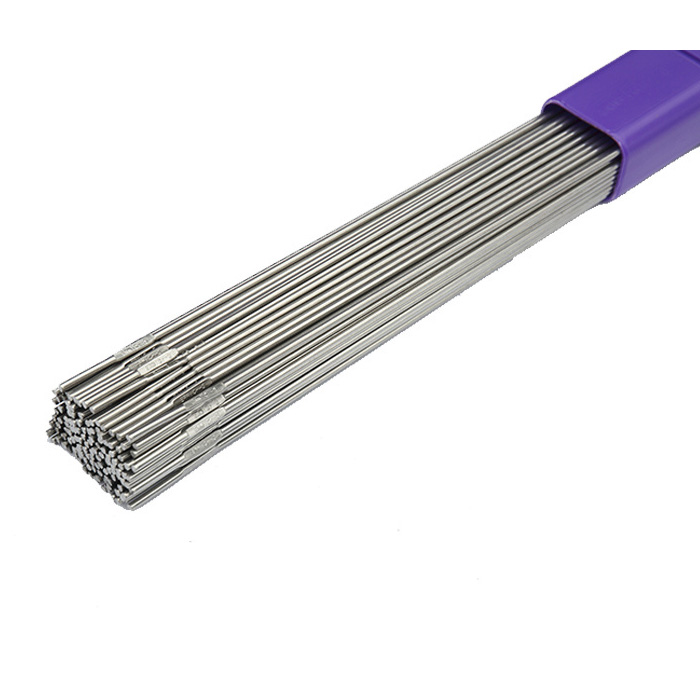 Inconel 625
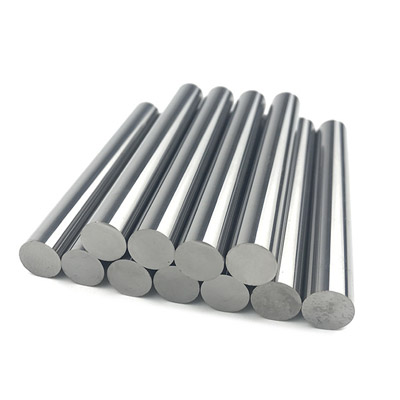 Inconel 718
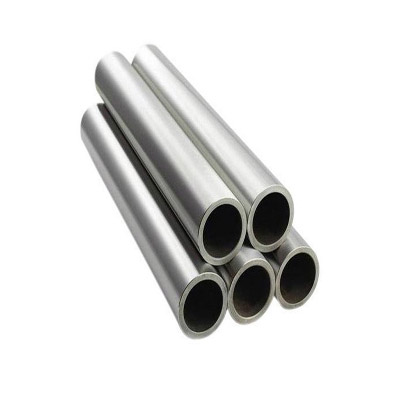 Inconel 725
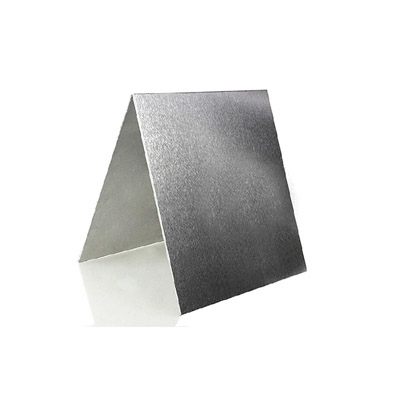 Inconel X-750
 Inconel 690
 Inconel 617
 Inconel 601
 Inconel 600
 Inconel 686
 Inconel 602CA
 Incoloy A-286
 Incoloy 825
 Incoloy 925
 Incoloy 926
 Incoloy 800
 Incoloy 800H
 Incoloy 800HT
 Incoloy 909
 Incoloy 31
 Incoloy 901
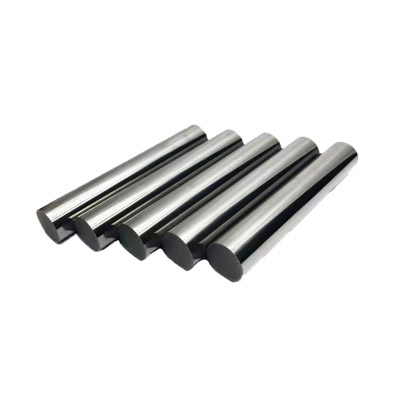 Monel K-500
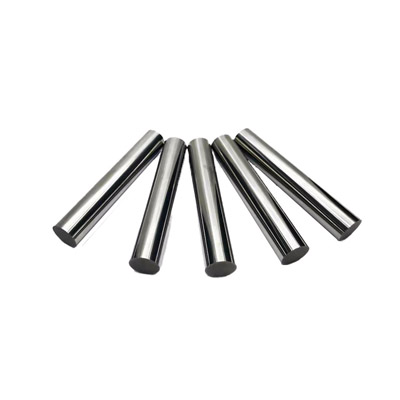 Monel 400
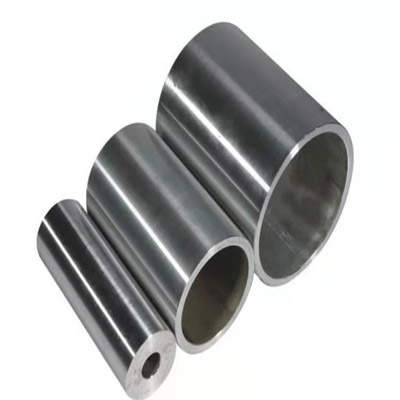
 Nimonic 263
 Nimonic 75
 Nimonic 80A
 Nimonic 90
 Nimonic PE11
 Nimonic PE16
 Nimonic PK33
 Nimonic 901
 Nimonic 81
 Nimonic 86
 Nimonic 105
 Nimonic 115
 Hastelloy C-276
 Hastelloy C
 Hastelloy C4
 Hastelloy C-22
 Hastelloy C-2000
 Hastelloy B-2
 Hastelloy B-3
 Hastelloy G30
 Hastelloy X
 Super Invar 32-5(4J32)
 Alloy 36(4J36)
 Alloy 42(4J42)
 Alloy 50(1J50)
 Hiperco 50(1J22)
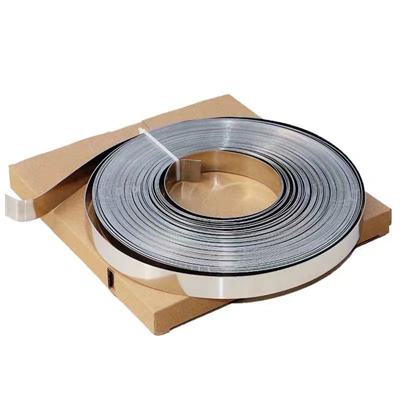 Alloy 46
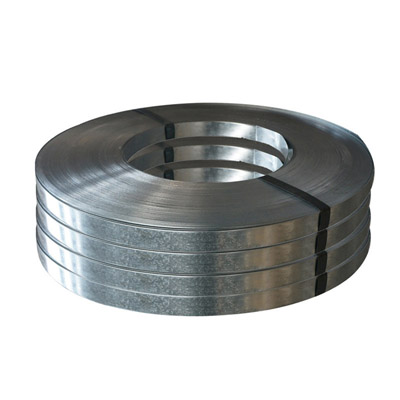 Permalloy (1J79)
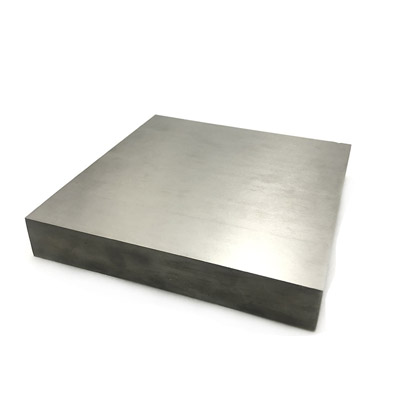 Supermalloy(1J85)
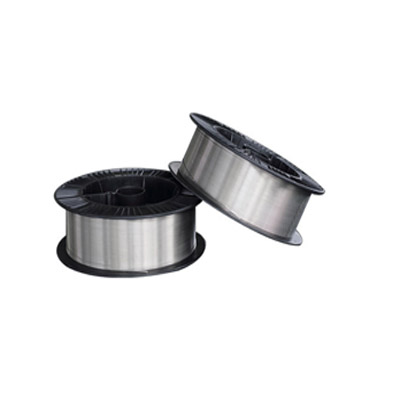 ERNiCrMo-2
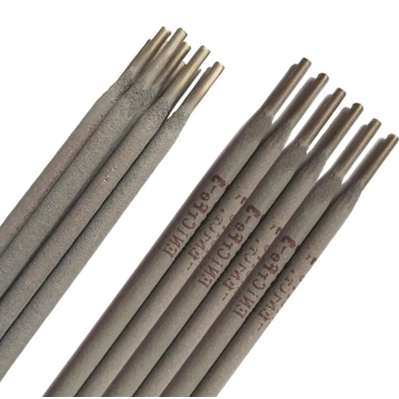 ERNiCrMo-3
 ERNiCrMo-4
 ERNiCrFe-7
 ERNiCrFe-7A
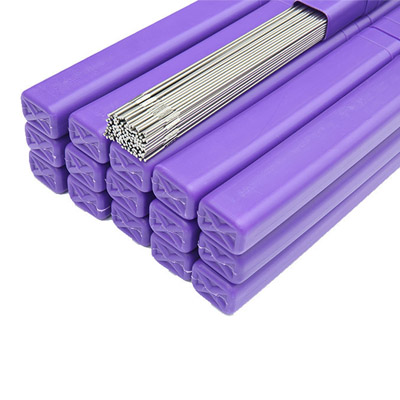 ERNiCrMo-10
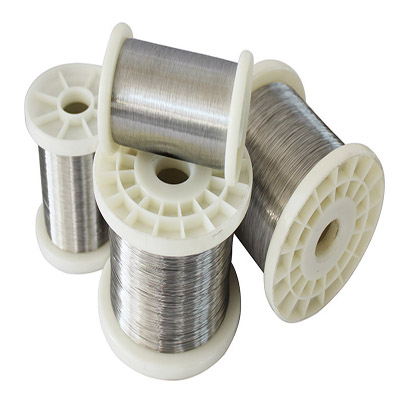 ERNiCrCoMo-1
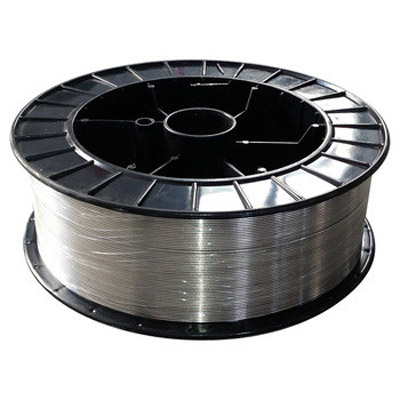 ERNiFeCr-2
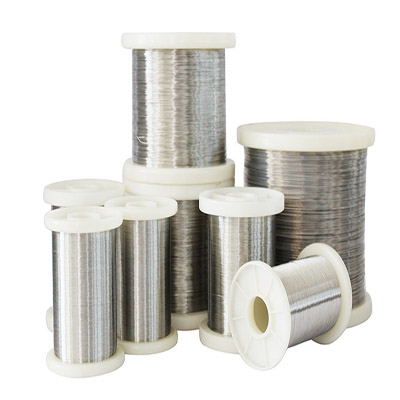 ERNiFeCr-1
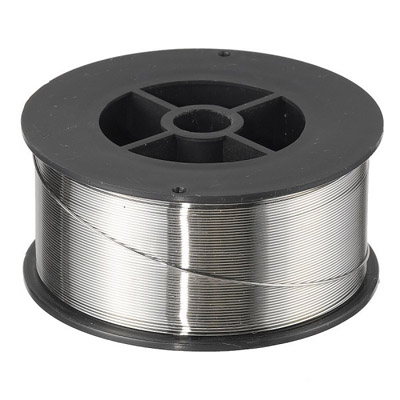 ERNiMo-8
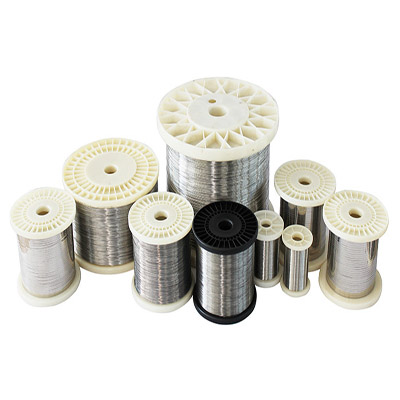 ERNiCrMo-13
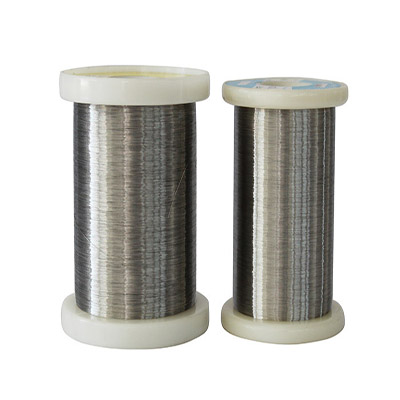 ERNiCr-4
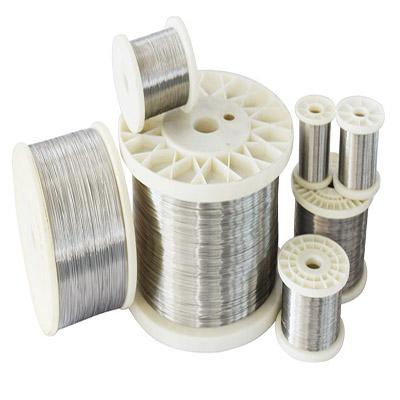 ERNiCr-3
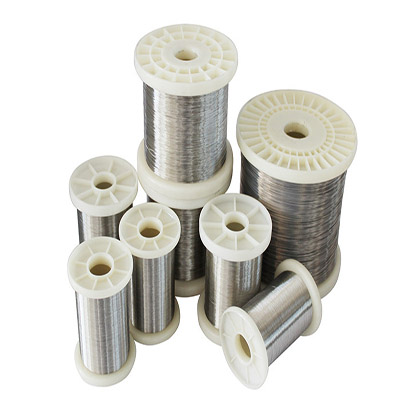 ERNi-1
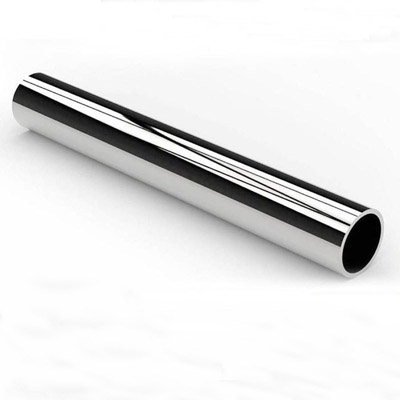 Haynes-25
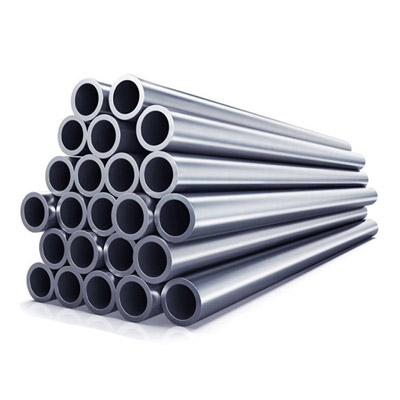 Hayness-188
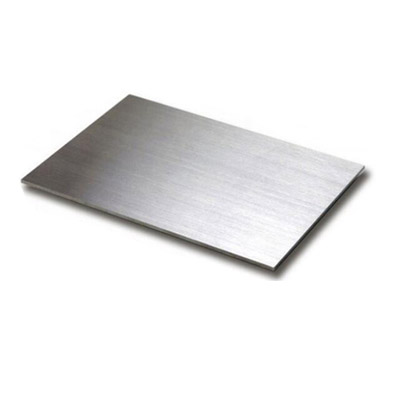 MP35N
 Refractory 26
 Waspaloy alloy
 17-4PH
 17-7PH
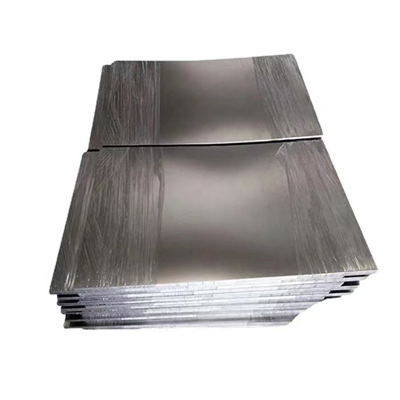 904L
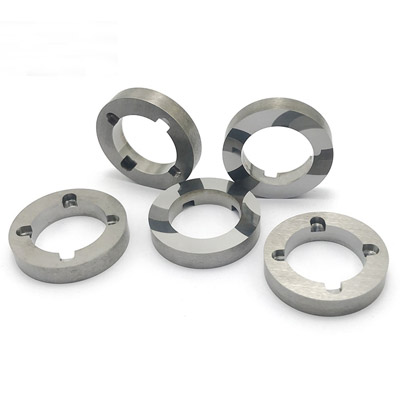 Nitronic 50
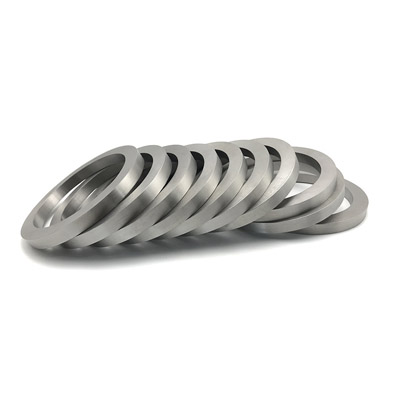 Nitronic 60
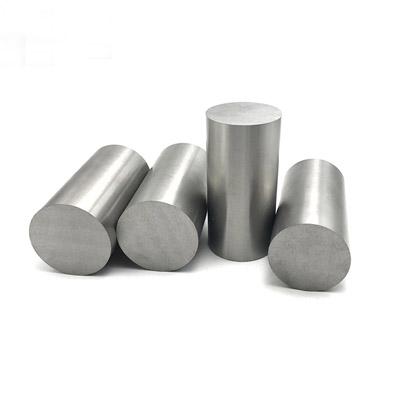 AL-6XN
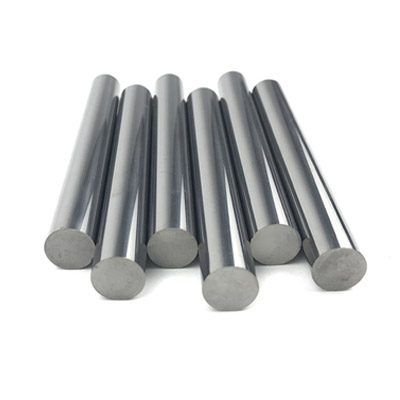 F55
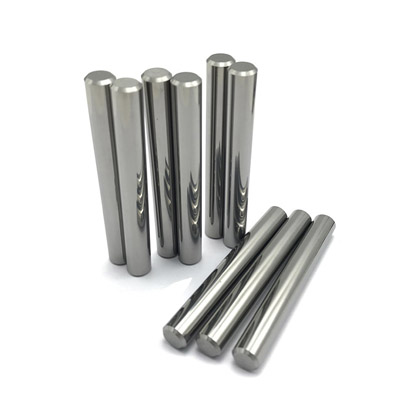 PH 13-8
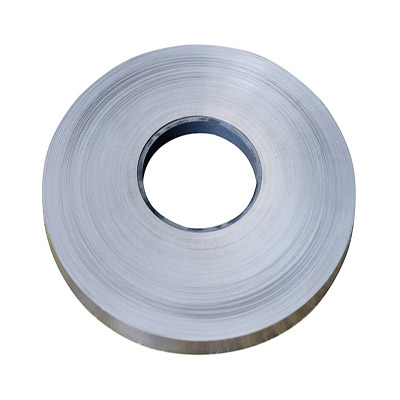 Haynes-230
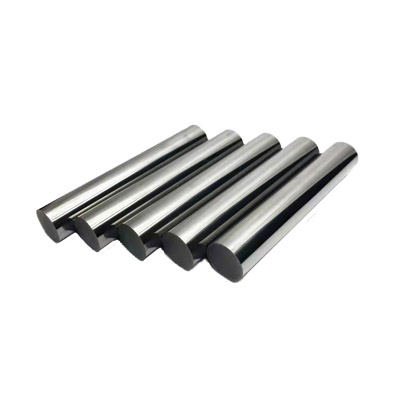 Nickel 200
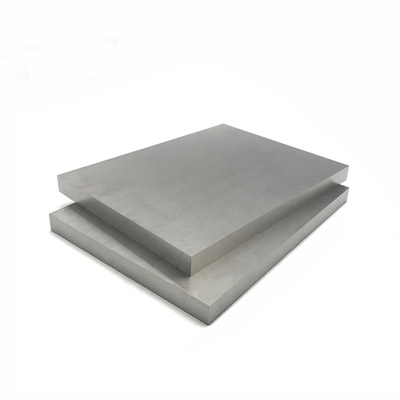
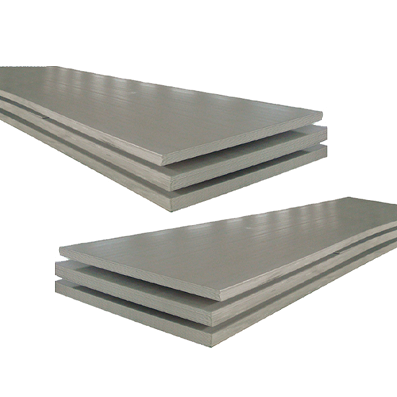 Sheet & Plate
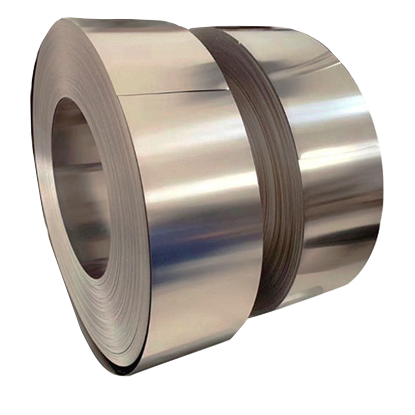 Strip & Foil
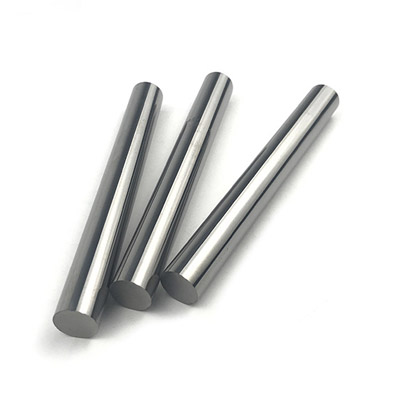
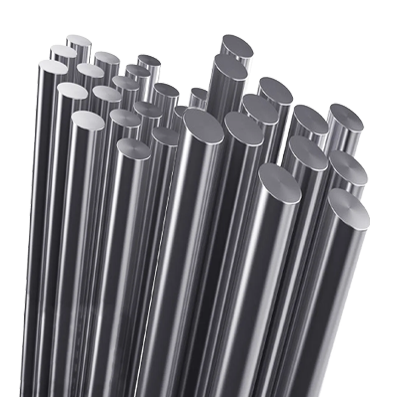 Bar & Rod
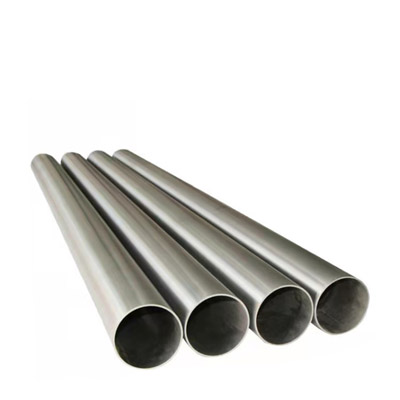
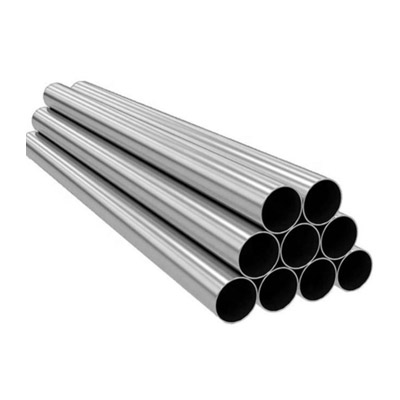 Pipe & Tube
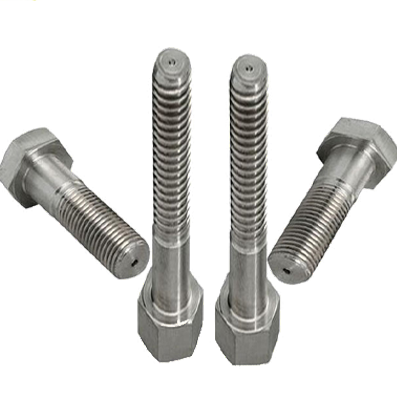 Bolts & Fasteners
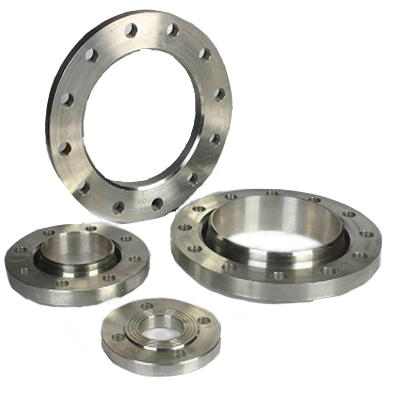 Flange & Ring
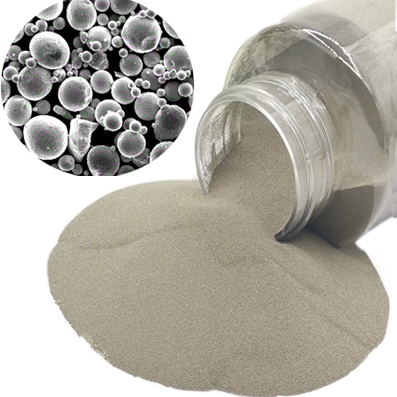 Nickel Alloy Powder


Inconel 625 vs Hastelloy C-276: Differences, Properties, Corrosion Resistance and Applications
Inconel 625 and Hastelloy C-276 are two widely used nickel-based alloys for demanding corrosion-resistant applications. Both alloys provide excellent resistance to chloride environments, pitting, crevice corrosion, stress corrosion cracking, and many aggressive chemical media. However, their chemical compositions and performance characteristics are different.
Inconel 625, UNS N06625, is a nickel-chromium-molybdenum-niobium alloy known for its combination of corrosion resistance, high strength, weldability, and good performance at elevated temperatures.
Hastelloy C-276, UNS N10276, is a nickel-chromium-molybdenum-tungsten alloy particularly recognized for its resistance to severe chemical environments and reducing or oxidizing acids.
Choosing between Inconel 625 and Hastelloy C-276 depends primarily on the service environment, temperature, mechanical requirements, fabrication method, and required corrosion resistance.
2. What Are the Advantages of Inconel 625 Over Hastelloy C-276?
2.1 Higher Strength and Better Strength-to-Weight Potential
One of the most important advantages of Inconel 625 is its combination of high mechanical strength and corrosion resistance.
Molybdenum and niobium strengthen the nickel-chromium matrix of Alloy 625. According to Special Metals, this strengthening occurs without requiring precipitation-hardening treatment.
This makes Inconel 625 attractive for components that must simultaneously withstand:
- Mechanical loads
- Internal pressure
- Vibration
- Cyclic loading
- Seawater exposure
- High temperatures
- Corrosive process environments
For applications where corrosion resistance is important but the component also carries significant mechanical loads, 625 can provide a more balanced solution than selecting an alloy primarily for chemical corrosion resistance.
2.2 Excellent Seawater and Marine Performance
Inconel 625 is particularly well established in marine and seawater applications.
Special Metals identifies the following properties as important for seawater service:
- Resistance to pitting corrosion
- Resistance to crevice corrosion
- High corrosion-fatigue strength
- High tensile strength
- Resistance to chloride-ion stress corrosion cracking
Applications include marine and submarine components, offshore equipment, seawater systems and other equipment exposed to chloride-containing environments. Special Metals also lists Alloy 625 among its alloys for marine engineering.
This makes 625 an attractive choice when the application involves seawater + mechanical loading rather than purely aggressive chemical processing.
2.3 Excellent Corrosion Resistance With High Mechanical Performance
Inconel 625 provides an unusual combination of corrosion resistance and mechanical strength.
It is resistant to a broad range of corrosive environments, including chloride-containing environments and many chemical-processing conditions. It also maintains useful mechanical properties across a wide temperature range.
Special Metals reports service capability from cryogenic temperatures to approximately 982°C / 1800°F, depending on application and design conditions.
This broad operating range is one reason Alloy 625 is used across several industries rather than being limited to one specific chemical environment.
2.4 Excellent Resistance to Chloride-Induced Stress Corrosion Cracking
Both 625 and C-276 have excellent resistance to chloride-induced stress corrosion cracking.
In comparative testing reported by Haynes International, both Alloy 625 and C-276 showed no cracking after 1,008 hours in boiling 45% magnesium chloride under the stated test conditions.
Therefore, when the main concern is chloride-induced stress corrosion cracking, both alloys can be strong candidates.
The advantage of 625 is that it combines this corrosion resistance with a particularly strong mechanical-performance profile, making it useful for mechanically loaded marine and offshore components.
2.5 Excellent Fabricability and Weldability
Inconel 625 is well known for its excellent fabricability, including joining and welding. Special Metals specifically identifies excellent fabricability and joining as major characteristics of Alloy 625.
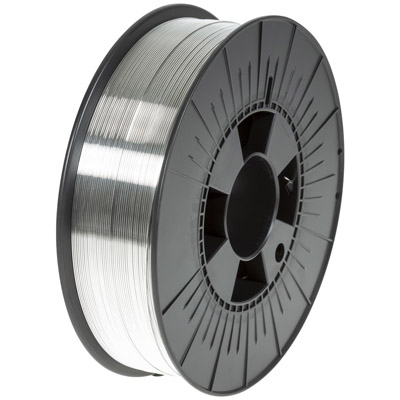
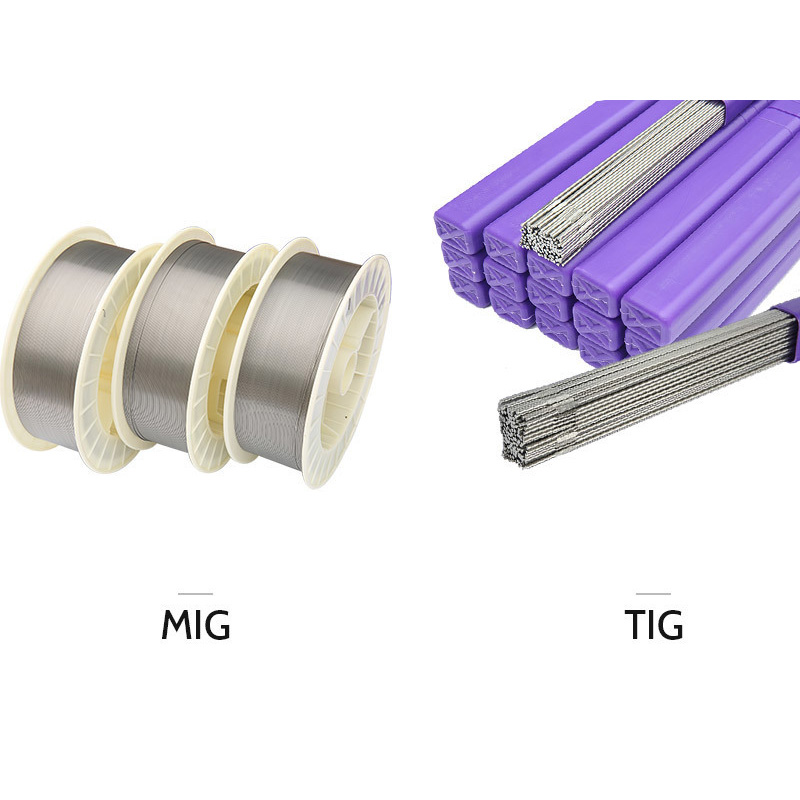
Inconel 625 welding filler metal is also widely used for GMAW/MIG and GTAW/TIG applications. Special Metals identifies INCONEL Filler Metal 625 as ERNiCrMo-3 under AWS A5.14.
This is particularly useful for:
- Welded pipe systems
- Pressure equipment
- Heat exchangers
- Marine structures
- Chemical-processing equipment
- Cladding
- Dissimilar-metal welding
- Repair welding
For manufacturers, good weldability can reduce fabrication complexity and help simplify production.
3. Major Applications of Inconel 625
Inconel 625 has one of the broadest application ranges among nickel-based corrosion-resistant alloys.
3.1 Marine and Offshore
Typical applications include:
- Offshore platforms
- Seawater piping
- Marine equipment
- Submarine components
- Propeller components
- Undersea communication cable sheathing
- Marine exhaust systems
- Seawater heat exchangers
- Fasteners
- Mooring-related components
Special Metals specifically identifies Alloy 625 for marine and submarine applications because of its seawater corrosion resistance.
3.2 Oil and Gas
Inconel 625 is used in applications involving:
- Offshore oil and gas equipment
- Corrosive production environments
- Downhole components
- Wellhead-related equipment
- Piping components
- Valves and fittings
- Sour and chloride-containing environments
The exact suitability should be verified against the applicable NACE/ISO requirements and actual service conditions.
3.3 Chemical Processing
Applications can include:
- Chemical-processing equipment
- Heat exchangers
- Piping
- Valves
- Pumps
- Reactors
- Process equipment
- Corrosion-resistant cladding
Special Metals lists Alloy 625 among its alloys used in chemical processing.
3.4 Aerospace
Inconel 625 is also used in aerospace applications requiring a combination of:
- High strength
- Corrosion resistance
- Oxidation resistance
- Elevated-temperature capability
- Good fabrication characteristics
Examples include:
- Exhaust systems
- Engine components
- Fuel systems
- Aerospace tubing
- Heat-resistant structures
3.5 Power Generation
Potential applications include:
- Heat exchangers
- Steam systems
- Flue-gas systems
- Combustion equipment
- Pollution-control systems
- Corrosion-resistant components
3.6 Pollution Control
625 can be used in equipment exposed to:
- Flue gases
- Chlorides
- Acidic condensates
- High-temperature corrosive gases
- Scrubber environments
Therefore, Inconel 625 is often the better engineering choice when the design requires a balanced combination of mechanical performance and corrosion resistance rather than maximum resistance to one specific aggressive acid.
For final material selection, engineers should review the actual service chemistry, operating temperature, pressure, chloride concentration, pH, mechanical loading, welding condition and applicable ASTM, ASME, NACE or other project specifications.
4. What Are the Advantages of Hastelloy C-276 Over Inconel 625?
4.1 Better Resistance to Severe Chemical Environments
The most important advantage of Hastelloy C-276 is its ability to withstand a very wide range of aggressive chemical environments.
C-276 was specifically developed as a corrosion-resistant nickel alloy for severe chemical-processing applications.
Its combination of chromium, molybdenum and tungsten provides resistance under both oxidizing and reducing conditions.
This makes C-276 particularly useful where equipment can encounter:
Strong acids
Chlorides
Wet chlorine
Acidic chlorides
Mixed chemical environments
Oxidizing acids
Reducing acids
Contaminated process streams
Haynes International specifically describes C-276 as having excellent resistance to pitting, crevice corrosion and stress corrosion cracking, as well as resistance to oxidizing and reducing media. (haynesintl.com)
4.2. Superior Resistance to Pitting and Crevice Corrosion
Hastelloy C-276 has an important advantage over Inconel 625 in localized corrosion resistance under several laboratory test conditions.
Haynes International reports comparative critical pitting and crevice corrosion temperatures in acidified 6% ferric chloride testing:
|
Alloy |
Critical Pitting Temperature |
Critical Crevice Temperature |
|
Inconel 625 |
100°C |
40°C |
|
Hastelloy C-276 |
150°C |
55°C |
A higher critical temperature indicates greater resistance to initiation of localized corrosion under those particular test conditions. (haynesintl.com)
This is particularly relevant for equipment exposed to:
Chloride solutions
Acidic chloride solutions
Stagnant zones
Crevices
Deposits
Welded structures
Chemical process solutions
Therefore, when localized corrosion is the primary design concern, C-276 can provide a larger corrosion-resistance margin than 625 in relevant environments.
4.3 Better Performance in Hydrochloric Acid
One of the clearest advantages of Hastelloy C-276 is its performance in hydrochloric acid.
According to Haynes International, C-276 provides substantially greater resistance than Alloy 625 to higher concentrations of hydrochloric acid. (haynesintl.com)
This makes C-276 particularly attractive for:
Hydrochloric acid tanks
Acid piping
Chemical reactors
Pickling equipment
Acid scrubbers
Heat exchangers
Chemical processing equipment
If the service environment involves high-concentration hydrochloric acid, C-276 should be considered carefully before selecting 625.
4.4. Better Performance in Aggressive Sulfuric Acid Environments
Hastelloy C-276 also offers excellent resistance to sulfuric acid under a wide range of conditions.
The combination of molybdenum and tungsten contributes to its resistance to reducing acidic environments.
For chemical-processing equipment where sulfuric acid concentration and temperature can vary, C-276 can offer significant advantages over many conventional stainless steels and nickel alloys.
However, actual material selection should always be based on the exact:
Acid concentration
Temperature
Pressure
Flow velocity
Impurities
Oxygen content
Chloride concentration
Corrosion-rate data should be reviewed for the specific process conditions rather than relying only on alloy comparisons.
4.5. Excellent Resistance to Both Oxidizing and Reducing Media
Another major advantage of Hastelloy C-276 is its versatility in mixed chemical environments.
Some industrial process streams can change between oxidizing and reducing conditions during operation.
C-276 is designed to provide strong corrosion resistance in both types of environments.
This makes it suitable for chemical-processing equipment where the process chemistry is more complicated than a simple seawater or neutral-chloride application.
Typical examples include:
Chemical reactors
Scrubbers
Process columns
Heat exchangers
Piping
Pumps
Valves
Acid-handling systems
4.6. Excellent Resistance to Wet Chlorine and Chlorinated Media
Hastelloy C-276 is also well known for its resistance to wet chlorine and chlorine-containing environments.
This characteristic is important in chemical processing, pollution-control and water-treatment systems.
Applications can include equipment exposed to:
Wet chlorine
Chlorine-containing process streams
Hypochlorite environments
Chlorinated water
Acidic chloride solutions
The exact suitability depends on temperature, concentration and other contaminants in the process stream.
4.7. Very Low Carbon and Silicon Content
Hastelloy C-276 has very low specified carbon and silicon contents.
Typical maximum values are:
Carbon: 0.01%
Silicon: 0.08%
This chemistry helps minimize the formation of undesirable grain-boundary precipitates during welding and fabrication.
As a result, C-276 has good resistance to weld-related corrosion problems and is widely used in welded chemical-processing equipment.
Haynes International specifically notes the alloy's excellent weldability and resistance to corrosion in the welded condition. (haynesintl.com)
4.8. Excellent Weldability
Although corrosion resistance is the main reason engineers select C-276, its welding characteristics are also important.
Hastelloy C-276 can be welded using common nickel-alloy welding processes.
Its welding filler metal is commonly classified as:
ERNiCrMo-4
under AWS A5.14.
C-276 welding products are available for processes such as:
GTAW / TIG
GMAW / MIG
Welding overlay
Cladding
Repair welding
This makes C-276 suitable for large chemical-processing equipment that requires extensive welding.
5. Hastelloy C-276 Applications
The application range of Hastelloy C-276 is strongly concentrated in industries where corrosion resistance is more important than maximum mechanical strength.
5.1 Chemical Processing
Chemical processing is one of the most important markets for C-276.
Typical equipment includes:
Chemical reactors
Reaction vessels
Process columns
Heat exchangers
Pumps
Valves
Piping
Tanks
Scrubbers
Process-control equipment
Haynes International identifies chemical-processing applications as a major use for C-276. (haynesintl.com)
5.2 Pollution Control
C-276 is widely used in pollution-control equipment because flue gases and scrubber solutions can contain aggressive combinations of:
- Chlorides
- Sulfur compounds
- Acidic condensates
- Oxidizing species
- Wet gases
Typical applications include:
- Flue-gas desulfurization equipment
- Scrubber systems
- Absorber towers
- Duct components
- Chimney liners
- Gas-cleaning systems
5.3 Waste Treatment
Industrial waste-treatment systems can contain highly variable chemical compositions.
C-276 can be used in:
- Waste-treatment reactors
- Chemical waste systems
- Acid waste handling
- Wastewater treatment equipment
- Sludge-processing equipment
- Corrosive piping
The advantage is its ability to handle complex corrosive environments rather than only one specific chemical.
5.4 Oil and Gas
Hastelloy C-276 can also be used in demanding oil and gas environments where corrosion resistance is critical.
Potential applications include:
- Downhole components
- Valves
- Tubing components
- Piping components
- Chemical injection systems
- Sour-service equipment
For oil and gas applications, the actual material qualification should be checked against the applicable NACE/ISO requirements and project specifications.
5.5 Flue Gas Desulfurization
Flue-gas desulfurization systems can create highly corrosive wet environments containing chlorides and acidic compounds.
C-276 is suitable for components such as:
- Absorber towers
- Scrubber components
- Spray systems
- Heat exchangers
- Duct components
- Linings and cladding
Its resistance to localized corrosion is particularly valuable in wet scrubber environments.
When Should You Choose Hastelloy C-276 Instead of Inconel 625?
A practical way to select C-276 is to look at the service environment.
Choose C-276 when:
- The process contains aggressive hydrochloric acid
C-276 generally provides substantially better resistance than 625 in severe HCl environments.
- Severe pitting or crevice corrosion is expected
C-276 has excellent resistance to localized corrosion and demonstrated higher critical pitting and crevice-corrosion temperatures than 625 under the cited laboratory conditions.
- The environment contains both oxidizing and reducing chemicals
C-276 is designed for broad resistance across different chemical conditions.
- The equipment operates in aggressive chemical-processing service
Chemical reactors, columns, scrubbers and heat exchangers can benefit from C-276's corrosion resistance.
- Wet chlorine or chlorinated media are present
C-276 is well established for demanding chlorine-containing environments.
- Welded equipment must maintain corrosion resistance
Its low carbon and silicon chemistry supports good corrosion performance in welded fabrications.
Conclusion
The final material selection should always be based on the actual chemical concentration, temperature, pressure, chloride level, pH, flow conditions, mechanical loads, welding condition and applicable ASTM, ASME, NACE or ISO requirements.
In simple terms, Inconel 625 is a versatile high-strength corrosion-resistant alloy, while Hastelloy C-276 is particularly suitable for highly aggressive chemical environments. The final material selection should consider temperature, chemical concentration, chlorides, impurities, pressure, and welding conditions.
Inconel 625 vs Hastelloy C-276 — 5 Common RFQs with Answers
-
What is the main difference between Inconel 625 and Hastelloy C-276?
Answer:Inconel 625 offers an excellent balance of strength and corrosion resistance, while Hastelloy C-276 is designed for more severe chemical corrosion environments. -
Which alloy is better for wet chlorine and acidic chloride solutions?
Answer:Hastelloy C-276 is generally preferred because of its excellent resistance to wet chlorine, acidic chlorides, and localized corrosion. -
Which alloy has higher mechanical strength?
Answer:Inconel 625 generally provides higher mechanical strength and is widely used where both strength and corrosion resistance are required. -
Which alloy is better for chemical processing equipment?
Answer:Hastelloy C-276 is commonly selected for chemical reactors, scrubbers, process columns, tanks, piping, pumps, and valves exposed to aggressive chemical media. -
How should I choose between Inconel 625 and Hastelloy C-276?
Answer:Choose Inconel 625 for high-strength marine, offshore, aerospace, and oil & gas applications. Choose Hastelloy C-276 when severe chemical corrosion resistance is the primary requirement.
Contact Huiyu Alloys today for nickel alloy grade selection, material specifications, customized sizes, technical consultation, and quotation.
Website: https://www.huiyualloys.com/
Email: hyalloys@gmail.com sales6@huiyualloys.com
Whatsapp: (86 )17627989936
Huiyu Alloys — Your Reliable Nickel Alloy Manufacturer & Supplier in China.