


 Cr15Al5
 Cr19Al3
 Cr25Al5
 Cr23Al5Ti
 Cr21Al16Nb
 Cr27Al7Mo2
 Cr20Ni80
 Cr30Ni70
 Cr15Ni60
 Inconel 625
 Inconel 718
 Inconel 725
 Inconel X-750
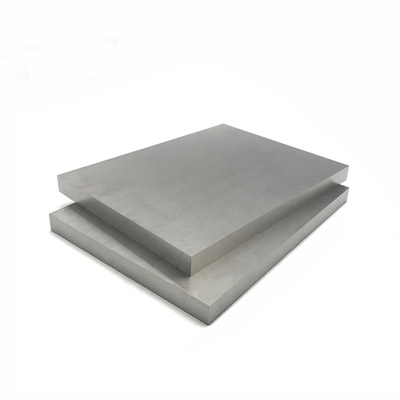 Inconel 690
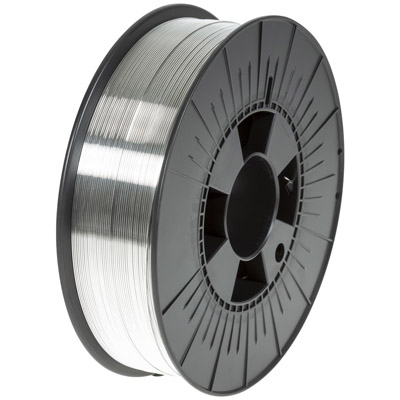 Inconel 617
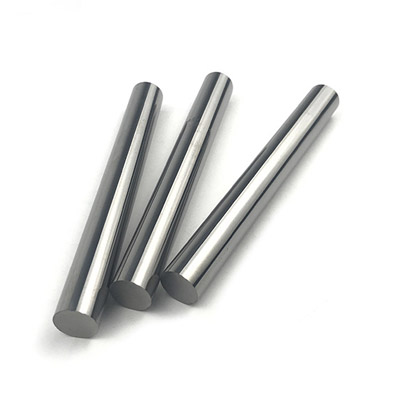 Inconel 601
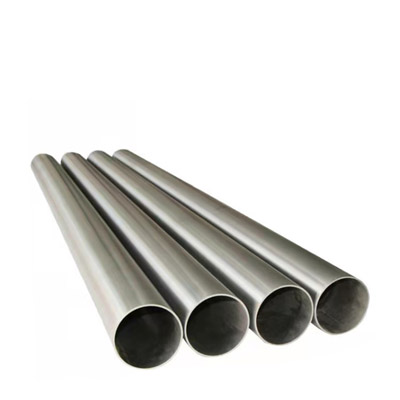 Inconel 600
 Inconel 686
 Inconel 602CA
 Incoloy A-286
 Incoloy 825
 Incoloy 925
 Incoloy 926
 Incoloy 800
 Incoloy 800H
 Incoloy 800HT
 Incoloy 909
 Incoloy 31
 Incoloy 901
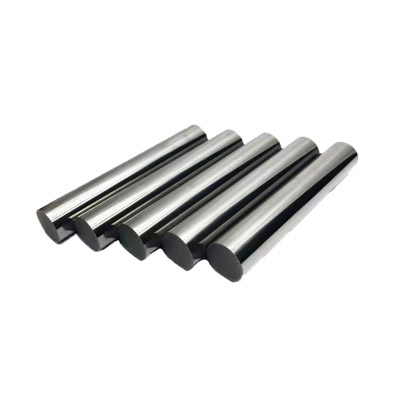 Monel K-500
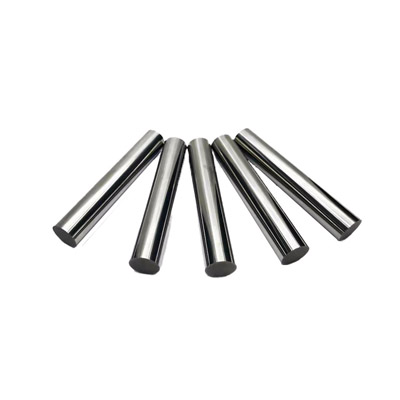 Monel 400
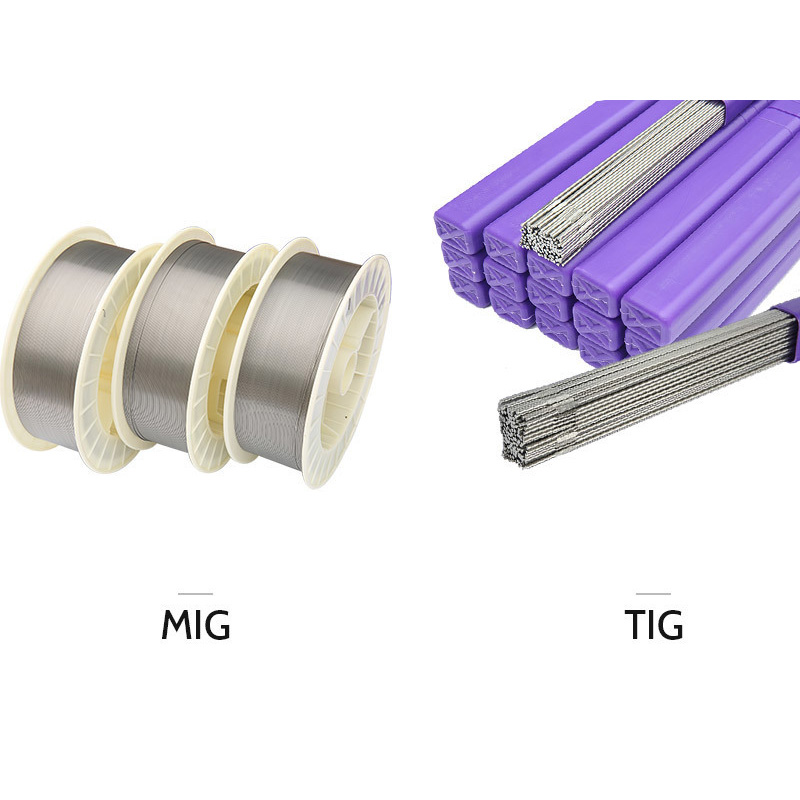 Nimonic 263
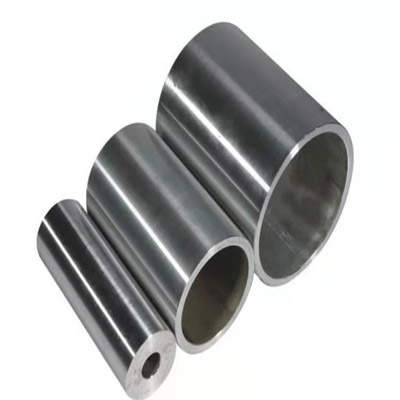 Nimonic 75
 Nimonic 80A
 Nimonic 90
 Nimonic PE11
 Nimonic PE16
 Nimonic PK33
 Nimonic 901
 Nimonic 81
 Nimonic 86
 Nimonic 105
 Nimonic 115
 Hastelloy C-276
 Hastelloy C
 Hastelloy C4
 Hastelloy C-22
 Hastelloy C-2000
 Hastelloy B-2
 Hastelloy B-3
 Hastelloy G30
 Hastelloy X
 Super Invar 32-5(4J32)
 Alloy 36(4J36)
 Alloy 42(4J42)
 Alloy 50(1J50)
 Hiperco 50(1J22)
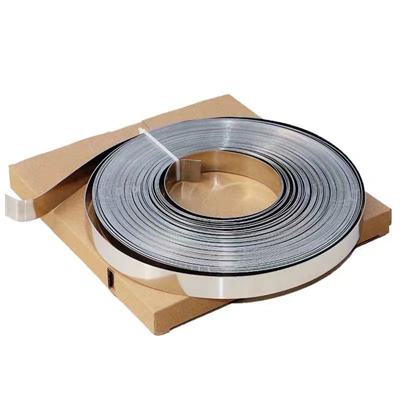 Alloy 46
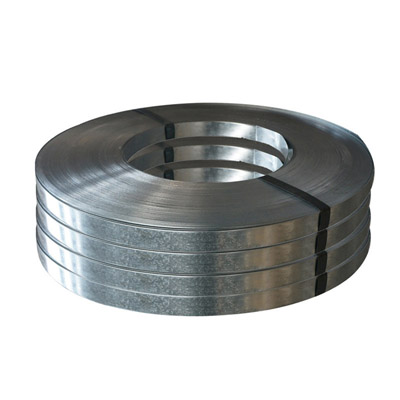 Permalloy (1J79)
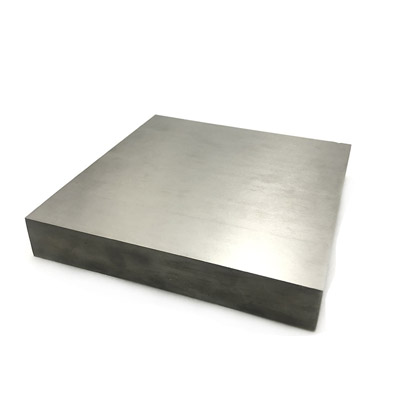 Supermalloy(1J85)
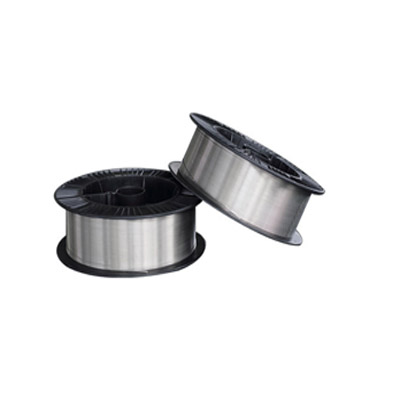 ERNiCrMo-2
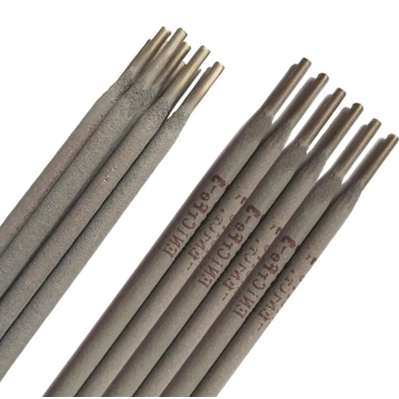 ERNiCrMo-3
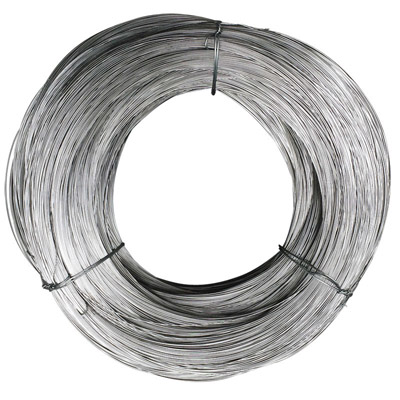 ERNiCrMo-4
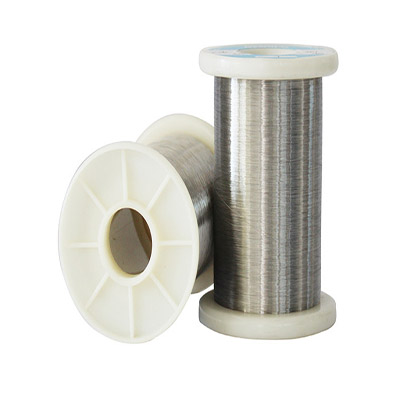 ERNiCrFe-7
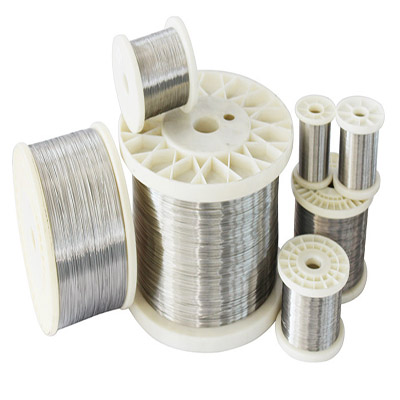 ERNiCrFe-7A
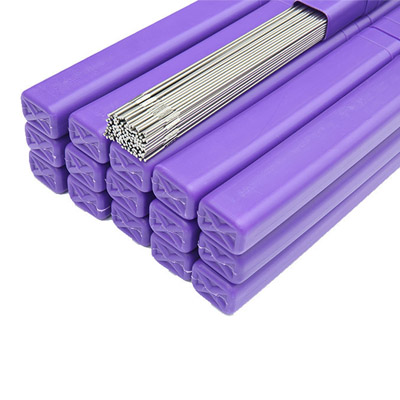 ERNiCrMo-10
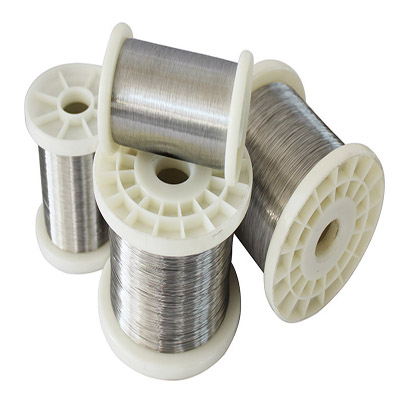 ERNiCrCoMo-1
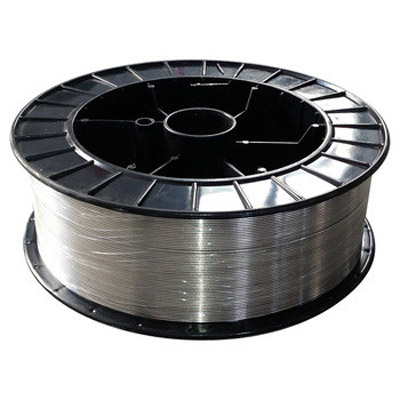 ERNiFeCr-2
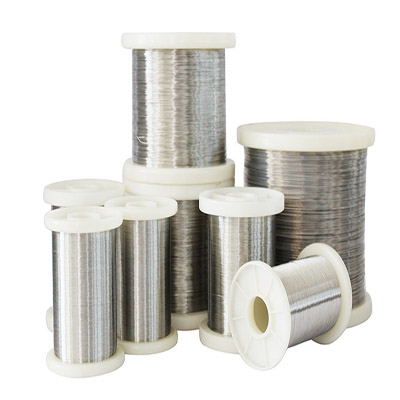 ERNiFeCr-1
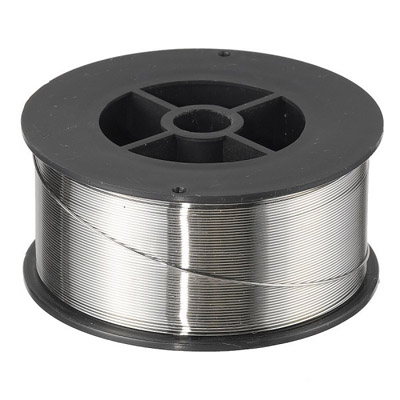 ERNiMo-8
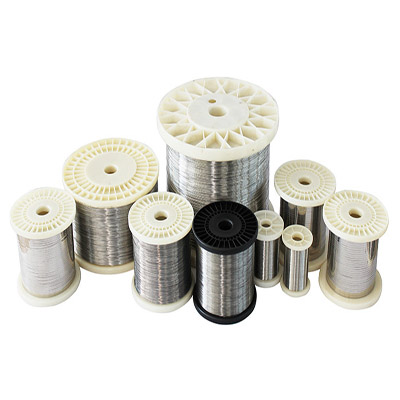 ERNiCrMo-13
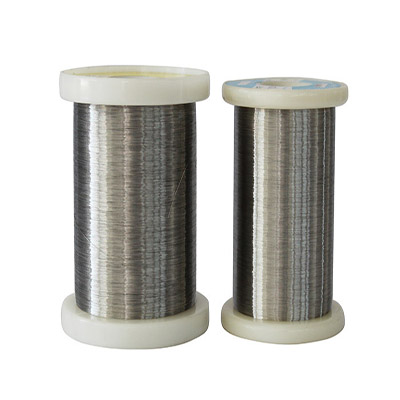 ERNiCr-4
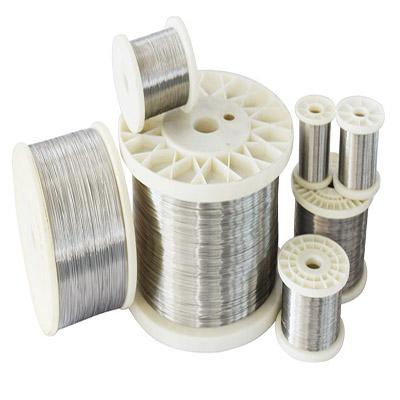 ERNiCr-3
 ERNi-1
 Haynes-25
 Hayness-188
 MP35N
 Refractory 26
 Waspaloy alloy
 17-4PH
 17-7PH
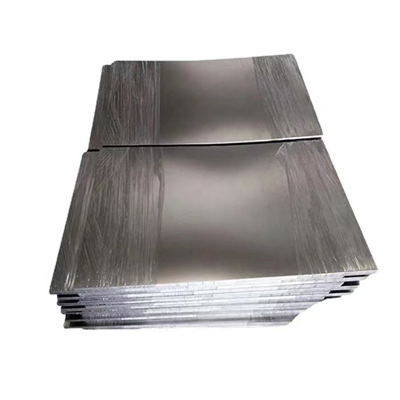 904L
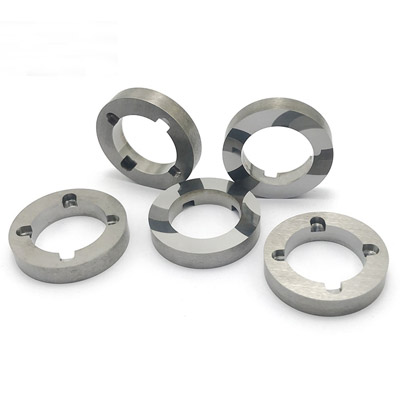 Nitronic 50
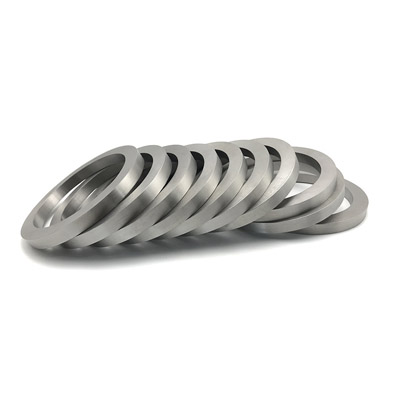 Nitronic 60
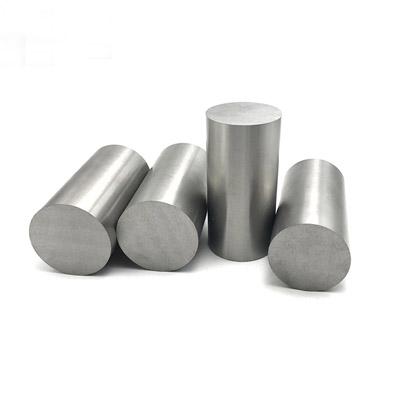 AL-6XN
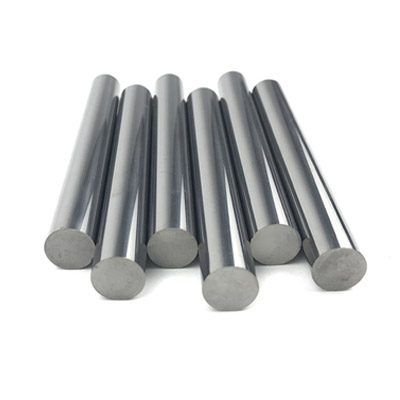 F55
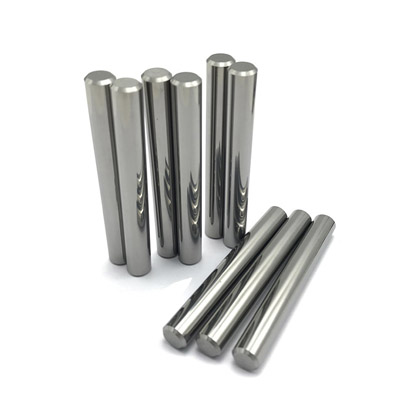 PH 13-8
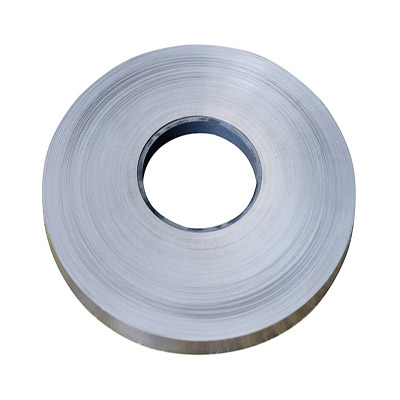 Haynes-230
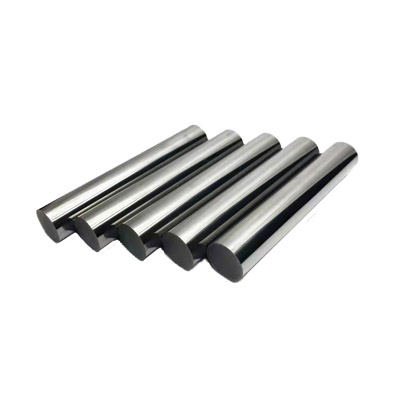 Nickel 200
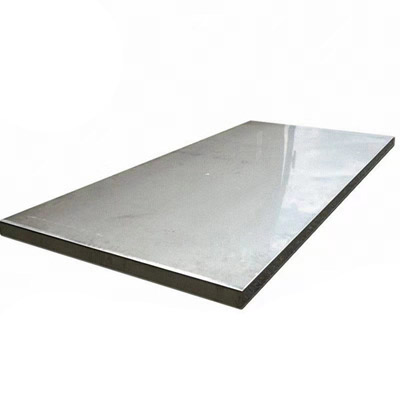
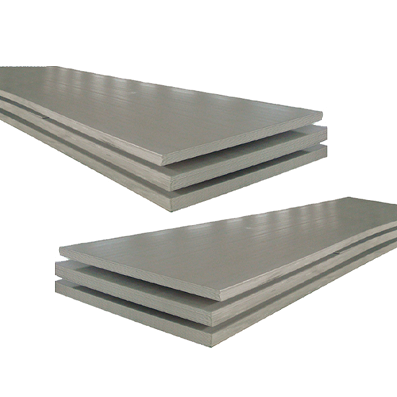 Sheet & Plate
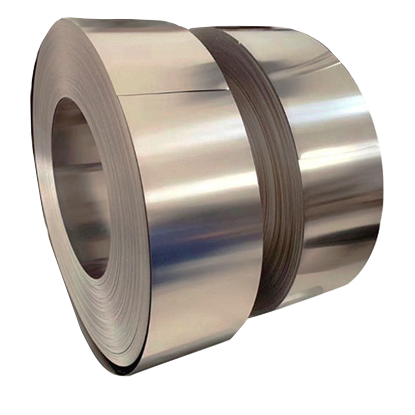 Strip & Foil
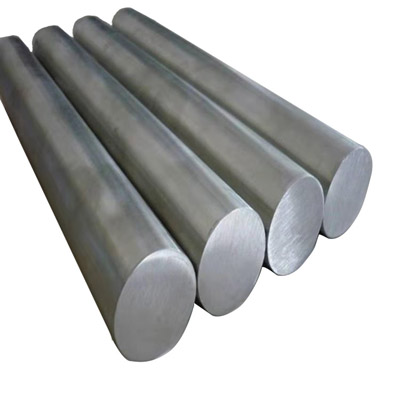
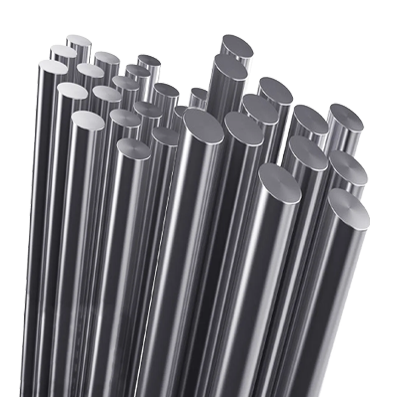 Bar & Rod
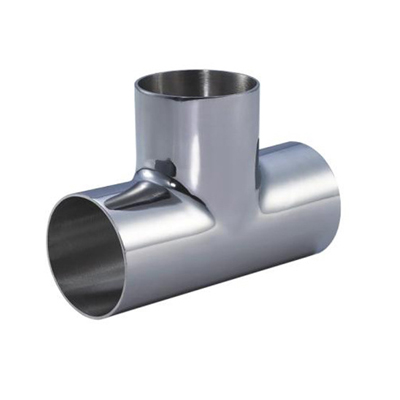
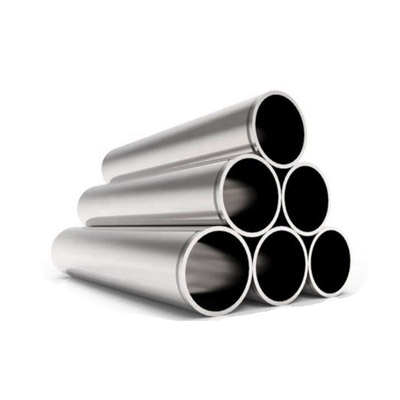
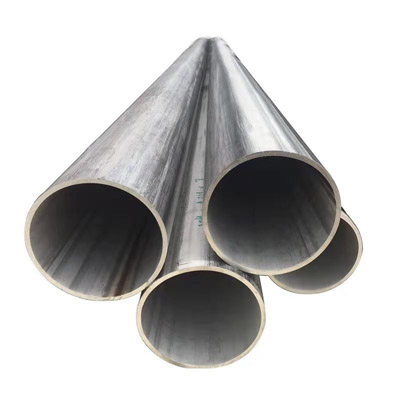
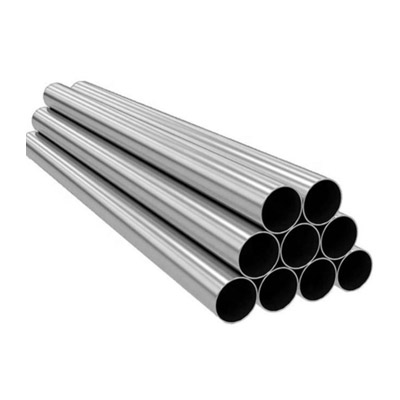 Pipe & Tube
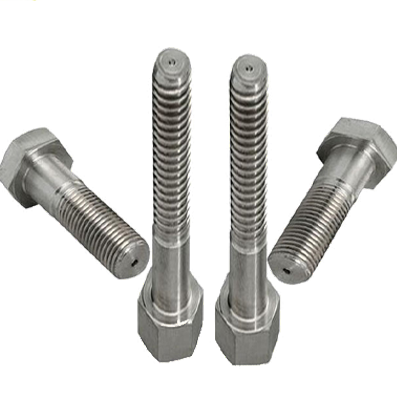 Bolts & Fasteners
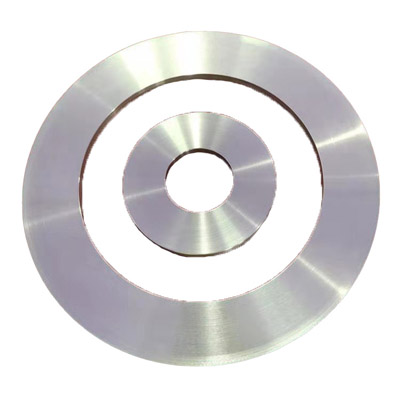
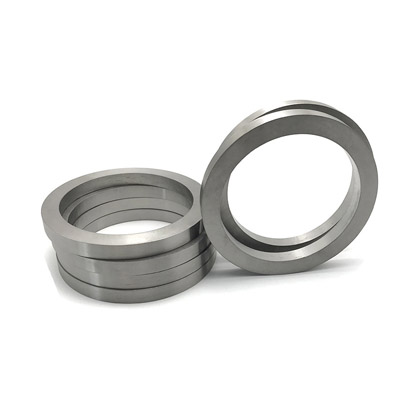
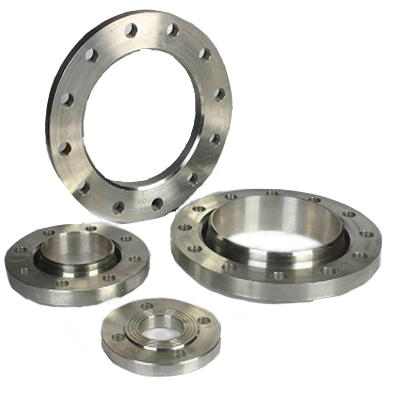 Flange & Ring
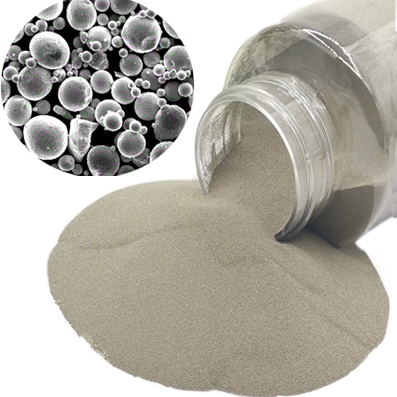 Nickel Alloy Powder


Inconel 617 vs Inconel 718: Key Differences, Applications and How to Choose
Inconel 617 (UNS N06617) is a nickel-chromium-cobalt-molybdenum alloy known for its excellent oxidation resistance, thermal stability, and high-temperature strength.
Inconel 718 (UNS N07718) is a precipitation-hardened nickel-chromium alloy known for its high tensile strength, fatigue resistance, and excellent mechanical properties after heat treatment.
The main difference is that Inconel 617 is particularly suitable for prolonged high-temperature service, while Inconel 718 is designed for high-strength applications where mechanical performance is critical.
Understanding the differences between Inconel 617 and Inconel 718 helps engineers select the right material for aerospace, power generation, chemical processing, and other high-performance applications.
3. What Are the Advantages of Inconel 617 Over Inconel 718?
3.1 Better Performance at Extremely High Temperatures
The biggest advantage of Inconel 617 (UNS N06617) is its excellent high-temperature performance.
Inconel 617 maintains useful strength and structural stability at temperatures where the precipitation-strengthening system of Inconel 718 becomes less effective.
This makes Inconel 617 particularly suitable for components exposed to continuous high-temperature service.
3.2 Better High-Temperature Creep Resistance
Inconel 617 provides excellent resistance to creep and deformation under prolonged high-temperature loading.
This is especially important for components that must operate continuously under stress for thousands of hours.
Typical examples include:
- Furnace components
- Gas turbine components
- Combustion systems
- Heat exchangers
- High-temperature piping
- Advanced energy systems
When long-term dimensional stability is more important than maximum room-temperature strength, Inconel 617 can have a significant advantage.
3.3 Excellent Oxidation Resistance
Inconel 617 contains high levels of chromium and other alloying elements that contribute to its excellent resistance to oxidation at elevated temperatures.
It can maintain a protective surface oxide layer during prolonged exposure to hot oxidizing environments.
Therefore, Inconel 617 is particularly attractive for:
- High-temperature combustion equipment
- Industrial furnaces
- Heat-treatment equipment
- Gas turbine components
- High-temperature chemical processing equipment
3.4 Better Choice for Extreme Thermal Environments
Inconel 718 is extremely strong, but its main strengthening mechanism is precipitation hardening. Its strength advantage is most valuable within its intended temperature range.
Inconel 617 relies heavily on solid-solution strengthening and remains highly effective at much higher temperatures.
Therefore, when the component is exposed to extreme heat rather than simply high mechanical loads, Inconel 617 can be a more appropriate material.
3.5 Good Thermal Stability
Inconel 617 offers good structural stability during prolonged high-temperature exposure.
For components that experience continuous heating, thermal cycling, and mechanical loading, this stability can help extend service life and reduce deformation.
4. Inconel 617 Applications
Inconel 617 is widely used in demanding high-temperature industries.
Gas Turbines
Inconel 617 can be used for combustion liners, transition components, turbine-related hardware, and other high-temperature components where oxidation and creep resistance are important.
Industrial Furnaces
The alloy is suitable for furnace components, heat shields, supports, trays, and other parts exposed to high temperatures.
Heat Exchangers
Inconel 617 is a candidate for high-temperature heat exchangers where oxidation resistance, corrosion resistance, and long-term strength are required.
Chemical Processing
Its combination of nickel, chromium, cobalt, and molybdenum provides resistance to many aggressive environments encountered in chemical processing.
Nuclear and Advanced Energy Systems
Inconel 617 is considered for high-temperature nuclear and advanced energy applications, including components that require long-term stability at elevated temperatures.
Aerospace and Power Generation
The alloy can be used for high-temperature aerospace and power-generation components where conventional stainless steels and lower-temperature nickel alloys cannot provide sufficient performance.
5. When Should You Choose Inconel 617 Instead of Inconel 718?
The choice between Inconel 617 and Inconel 718 should be based primarily on the actual operating conditions.
Choose Inconel 617 When:
-
The service temperature is extremely high.
If the component operates at temperatures approaching the upper range of conventional precipitation-hardened nickel alloys, Inconel 617 should be considered. -
Long-term creep resistance is critical.
For continuous high-temperature loading, Inconel 617 provides excellent resistance to creep deformation. -
Oxidation resistance is a major requirement.
Inconel 617 is well suited to hot oxidizing environments. -
High-temperature structural stability is more important than maximum room-temperature strength.
If the component does not require the very high yield strength associated with precipitation-hardened alloys, 617 may be the better solution. -
The component will experience prolonged thermal exposure.
Inconel 617 is designed for demanding long-term high-temperature service.
6. What Are the Advantages of Inconel 718 Over Inconel 617?
6.1 Higher Tensile and Yield Strength
One of the biggest advantages of Inconel 718 is its very high tensile and yield strength.
Inconel 718 is a precipitation-hardenable nickel alloy. Its strength is developed through controlled heat treatment and the formation of strengthening precipitates, particularly gamma prime and gamma double prime phases.
Compared with Inconel 617, 718 can provide significantly higher mechanical strength in the temperature range for which it was designed.
This makes 718 suitable for highly loaded components such as turbine disks, shafts, fasteners, and aerospace structural parts.
6.2 Excellent Fatigue Resistance
Inconel 718 provides excellent fatigue performance, which is a major advantage in components subjected to repeated loading, vibration, rotation, and pressure cycles.
This is especially important in aircraft engines and gas turbines, where components may experience millions of loading cycles during their service life.
For applications where fatigue strength is more important than extreme-temperature capability, Inconel 718 is often a better choice than 617.
6.3 Excellent Fracture Toughness
Inconel 718 offers a strong combination of tensile strength, fatigue resistance, and fracture toughness.
This balance is particularly valuable for critical aerospace components where unexpected crack growth or failure must be minimized.
6.4 Strong Precipitation-Hardening Capability
Unlike Inconel 617, which relies mainly on solid-solution strengthening, Inconel 718 obtains much of its strength from precipitation hardening.
This allows engineers to achieve different combinations of strength and ductility through carefully controlled heat treatment.
Typical processing may include solution treatment followed by aging to develop the required mechanical properties.
6.5 Good Weldability for a High-Strength Superalloy
Inconel 718 is widely recognized for its relatively good weldability compared with many other precipitation-strengthened nickel superalloys.
Its good resistance to post-weld cracking has made it popular for fabricated aerospace and industrial components.
This provides an important manufacturing advantage when complex shapes or welded assemblies are required.
6.6 Excellent Performance in Moderate-to-High Temperature Service
Although Inconel 718 is not intended to replace 617 in the most extreme-temperature applications, it provides an excellent combination of strength and corrosion resistance at elevated temperatures.
Its practical operating range makes it highly attractive for aerospace engines, turbines, oil & gas equipment, and other applications where temperatures are high but not at the extreme levels typically targeted by Inconel 617.
7. Applications of Inconel 718
Inconel 718 is one of the most widely used nickel-based superalloys in the aerospace and high-performance engineering industries.
Aerospace Engines
Typical applications include:
- Turbine disks
- Compressor and turbine components
- Shafts
- Rings
- Casings
- Fasteners
- Engine structural components
Its high strength, fatigue resistance, and fracture toughness make it particularly suitable for critical rotating and load-bearing components.
Gas Turbines
Inconel 718 is used in gas turbine components where high strength and resistance to thermal and mechanical loading are required.
Oil and Gas
Inconel 718 is widely used for:
- Downhole components
- Valves
- Wellhead equipment
- Fasteners
- High-pressure components
- Offshore equipment
Its strength and corrosion resistance are valuable in demanding oil and gas environments.
Chemical Processing
The alloy can be used for high-strength components exposed to corrosive chemical environments where a combination of mechanical strength and corrosion resistance is required.
Nuclear and Power Generation
Inconel 718 is also used in selected nuclear and power-generation applications where high mechanical strength and good environmental resistance are required.
8. When Should You Choose Inconel 718 Instead of Inconel 617?
The material selection should be based on operating temperature, mechanical loading, fatigue requirements, manufacturing method, and environmental conditions.
Choose Inconel 718 When:
-
Very high tensile and yield strength are required.
718 is usually the better choice when maximum mechanical strength is the primary design requirement. -
Fatigue resistance is critical.
For rotating machinery, cyclic loading, vibration, and repeated pressure loading, 718 offers excellent fatigue performance. -
Fracture toughness is important.
For safety-critical aerospace components, the combination of strength and fracture toughness makes 718 highly attractive. -
Precipitation hardening is desirable.
718 can be heat treated to achieve high strength through controlled precipitation hardening. -
The component operates below the extreme-temperature range.
When the service temperature is within the effective range of Inconel 718, its high strength can provide a major advantage over 617. -
Aerospace-grade high-strength components are required.
718 is a well-established material for aircraft engines, turbine disks, shafts, rings, fasteners, and structural components. -
Oil and gas components require high strength and corrosion resistance.
718 is commonly selected for high-pressure and high-load equipment in the oil and gas industry.
9.Conclusion.
Choose Inconel 617 when oxidation resistance and long-term performance at very high temperatures are the primary requirements.
Choose Inconel 718 when high mechanical strength, fatigue resistance, and reliable performance in aerospace and industrial components are essential.
In summary, Inconel 617 is particularly suitable for extreme high-temperature environments, while Inconel 718 is preferred for high-strength structural and rotating components. The best choice depends on operating temperature, mechanical loads, and service conditions.
RFQ
- Q: What is the main difference between Inconel 617 and Inconel 718?
A: Inconel 617 offers excellent high-temperature strength and oxidation resistance, while Inconel 718 provides high strength through precipitation hardening and is widely used in aerospace components.
- Q: Which alloy is better for high-temperature applications?
A: Inconel 617 is generally preferred for prolonged exposure to very high temperatures, especially in oxidizing environments. Inconel 718 is commonly used for high-strength components at lower service temperatures.
- Q: Which alloy has higher mechanical strength?
A: Inconel 718 generally offers higher room-temperature tensile and yield strength after appropriate heat treatment. Inconel 617 is designed for high-temperature strength and stability.
- Q: What are the main applications of Inconel 617 and Inconel 718?
A: Inconel 617 is used in gas turbines, combustion systems, heat exchangers, and high-temperature chemical processing. Inconel 718 is used in aerospace engine parts, turbine disks, shafts, fasteners, and other high-strength components.
- Q: When should I choose Inconel 617 instead of Inconel 718?
A: Choose Inconel 617 for excellent oxidation resistance and strength in prolonged high-temperature service. Choose Inconel 718 when high mechanical strength, fatigue resistance, and precipitation-hardening capability are the main requirements.
Contact Huiyu Alloys today for nickel alloy grade selection, material specifications, customized sizes, technical consultation, and quotation.
Website: https://www.huiyualloys.com/
Email: hyalloys@gmail.com sales6@huiyualloys.com
Whatsapp: (86 )17627989936
Huiyu Alloys — Your Reliable Nickel Alloy Manufacturer & Supplier in China.