


 Cr15Al5
 Cr19Al3
 Cr25Al5
 Cr23Al5Ti
 Cr21Al16Nb
 Cr27Al7Mo2
 Cr20Ni80
 Cr30Ni70
 Cr15Ni60
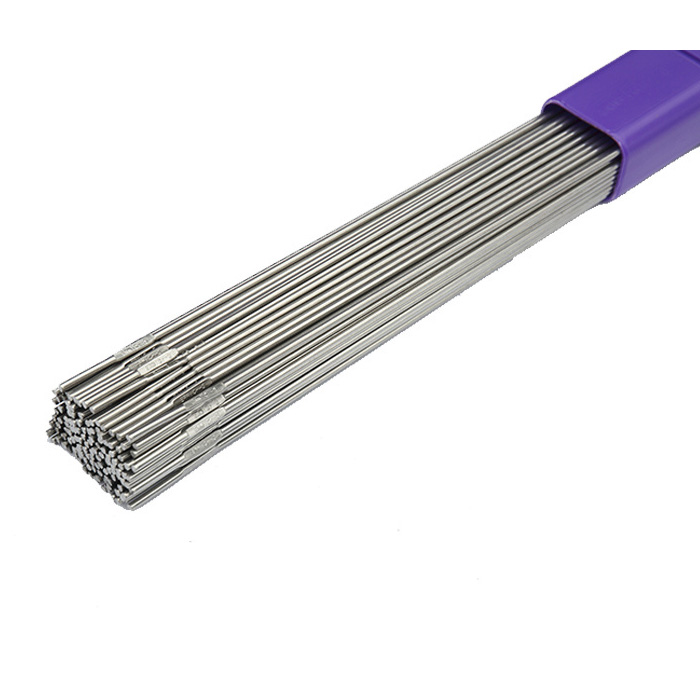 Inconel 625
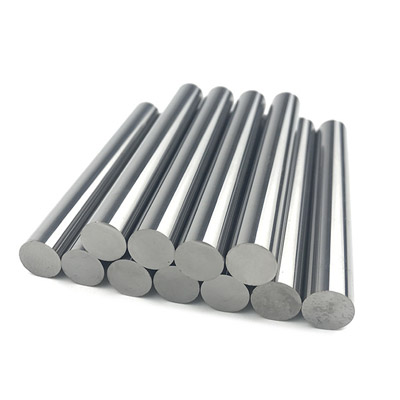 Inconel 718
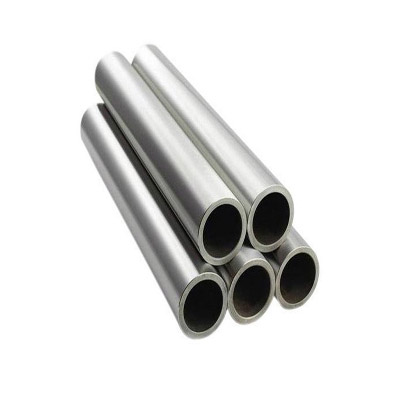 Inconel 725
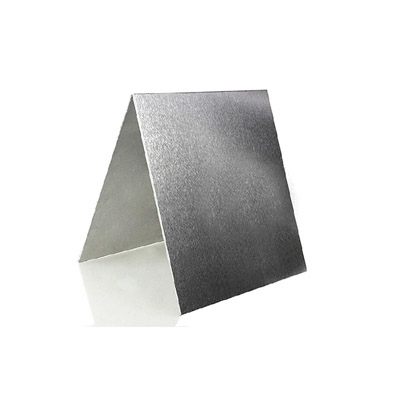 Inconel X-750
 Inconel 690
 Inconel 617
 Inconel 601
 Inconel 600
 Inconel 686
 Inconel 602CA
 Incoloy A-286
 Incoloy 825
 Incoloy 925
 Incoloy 926
 Incoloy 800
 Incoloy 800H
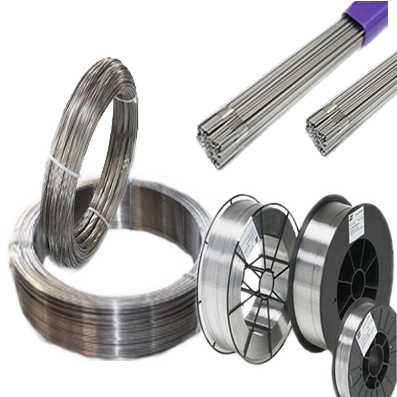 Incoloy 800HT
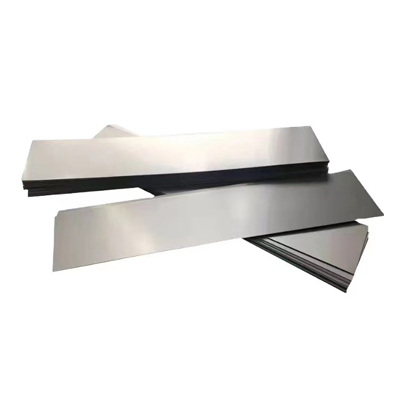 Incoloy 909
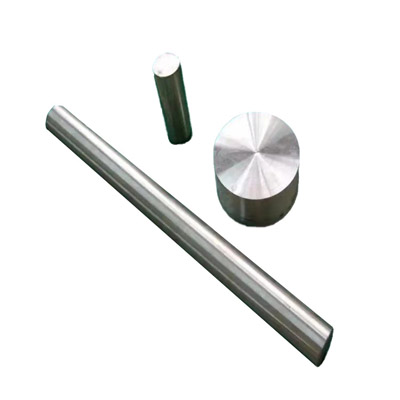 Incoloy 31
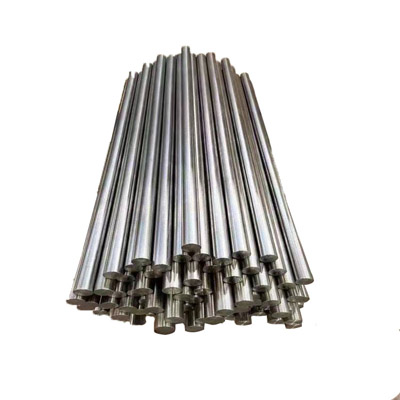 Incoloy 901
 Monel K-500
 Monel 400
 Nimonic 263
 Nimonic 75
 Nimonic 80A
 Nimonic 90
 Nimonic PE11
 Nimonic PE16
 Nimonic PK33
 Nimonic 901
 Nimonic 81
 Nimonic 86
 Nimonic 105
 Nimonic 115
 Hastelloy C-276
 Hastelloy C
 Hastelloy C4
 Hastelloy C-22
 Hastelloy C-2000
 Hastelloy B-2
 Hastelloy B-3
 Hastelloy G30
 Hastelloy X
 Super Invar 32-5(4J32)
 Alloy 36(4J36)
 Alloy 42(4J42)
 Alloy 50(1J50)
 Hiperco 50(1J22)
 Alloy 46
 Permalloy (1J79)
 Supermalloy(1J85)
 ERNiCrMo-2
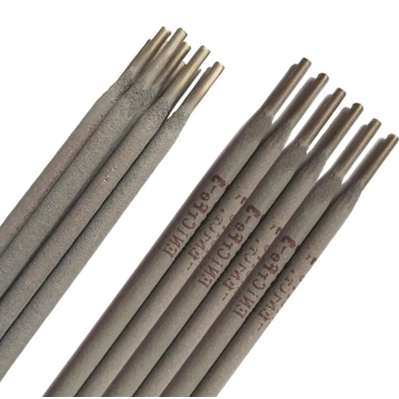 ERNiCrMo-3
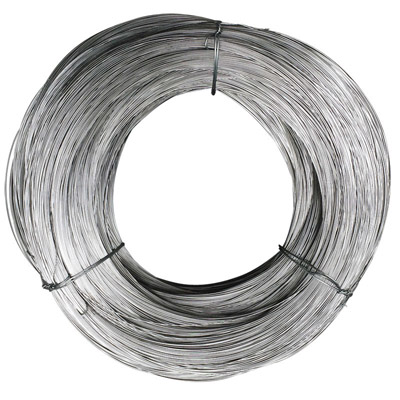 ERNiCrMo-4
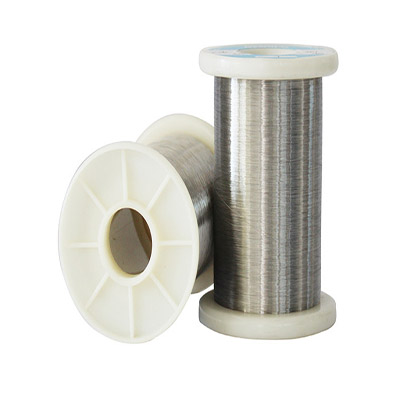 ERNiCrFe-7
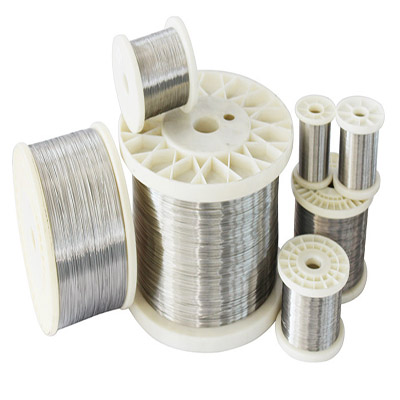 ERNiCrFe-7A
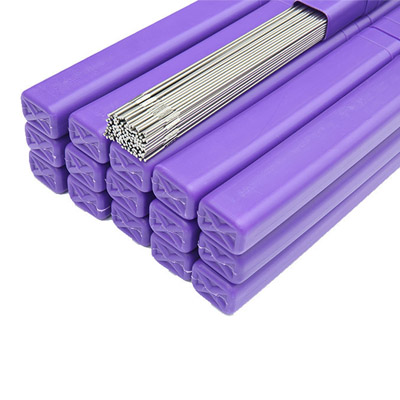 ERNiCrMo-10
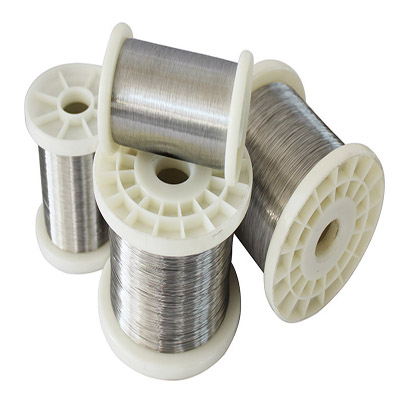 ERNiCrCoMo-1
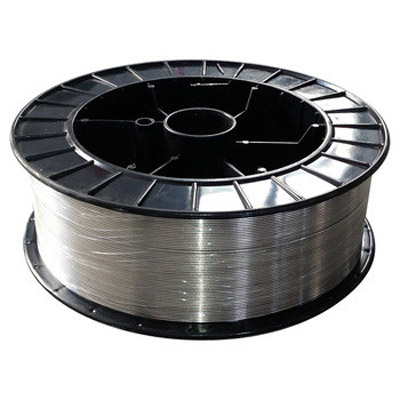 ERNiFeCr-2
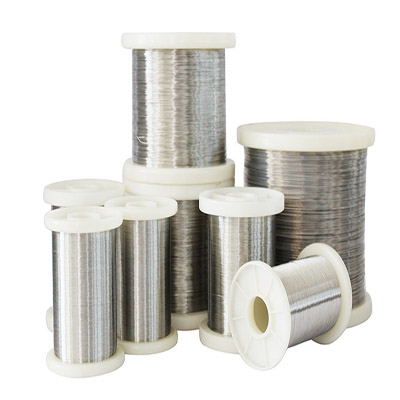 ERNiFeCr-1
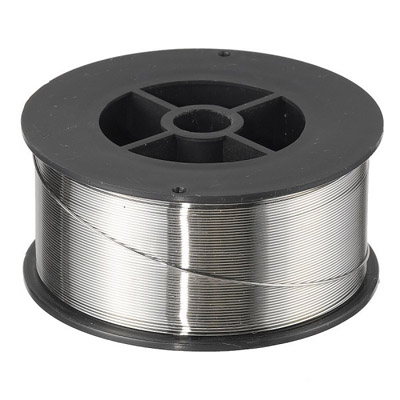 ERNiMo-8
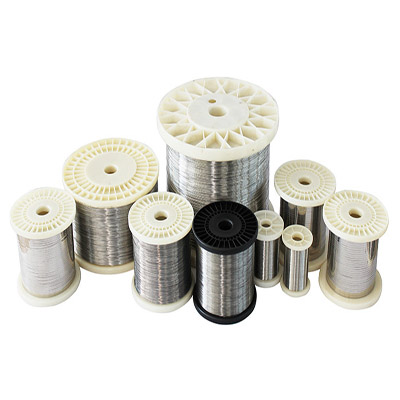 ERNiCrMo-13
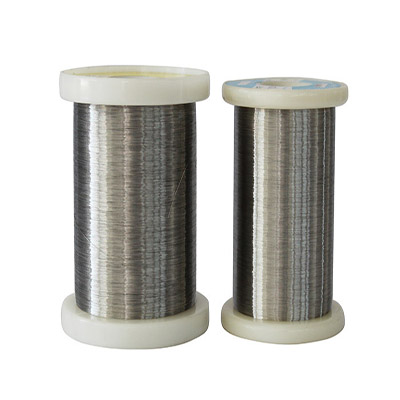 ERNiCr-4
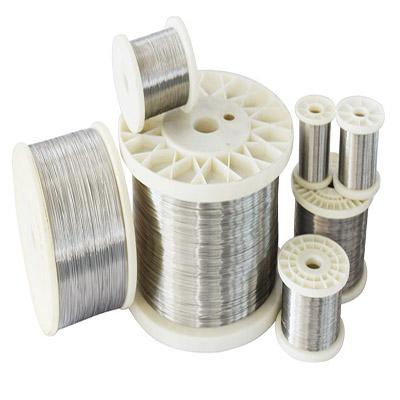 ERNiCr-3
 ERNi-1
 Haynes-25
 Hayness-188
 MP35N
 Refractory 26
 Waspaloy alloy
 17-4PH
 17-7PH
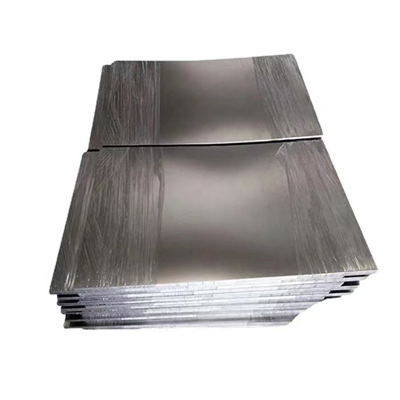 904L
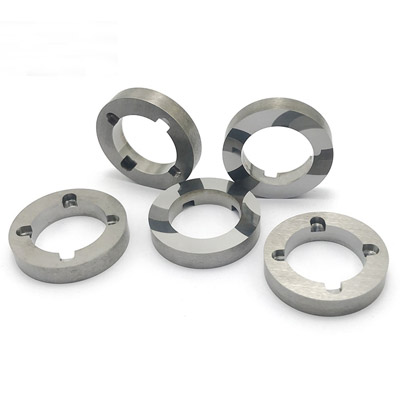 Nitronic 50
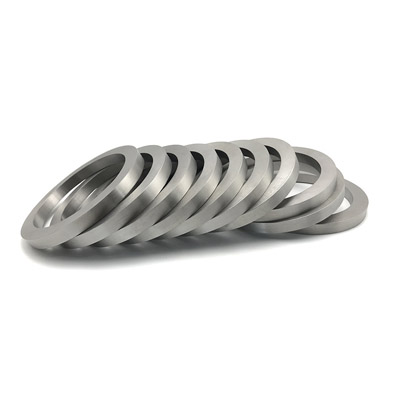 Nitronic 60
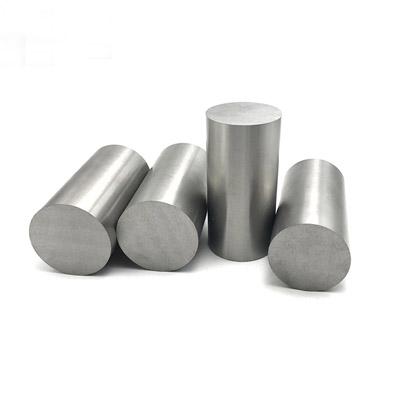 AL-6XN
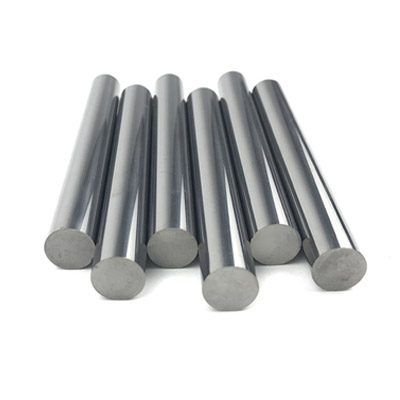 F55
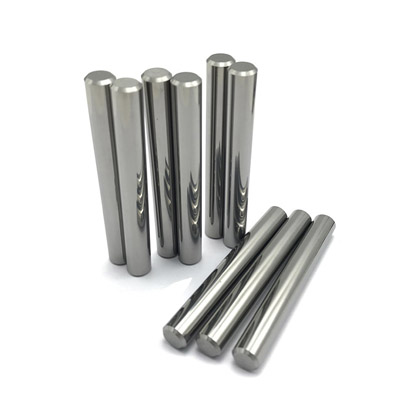 PH 13-8
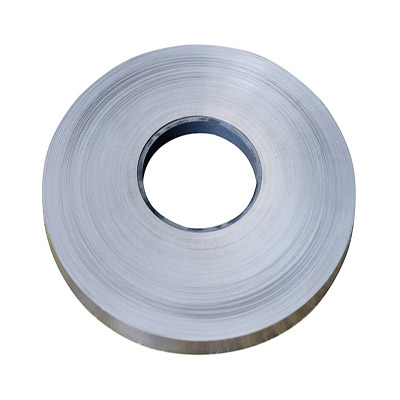 Haynes-230
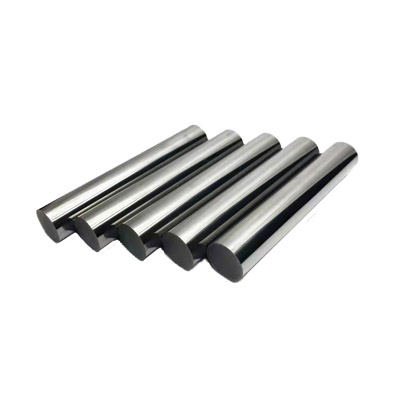 Nickel 200
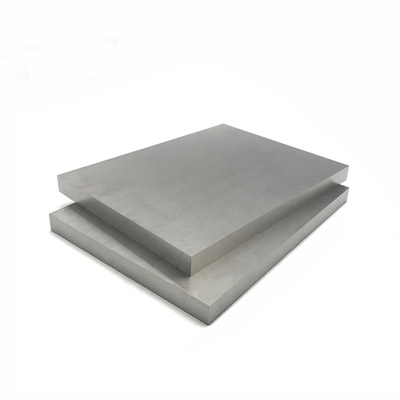
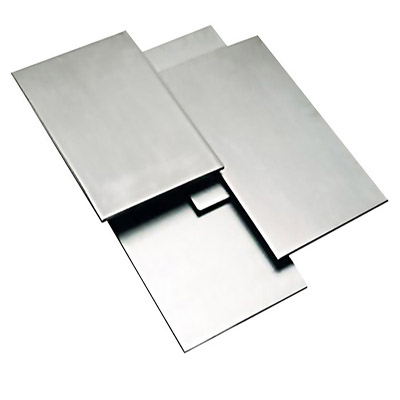
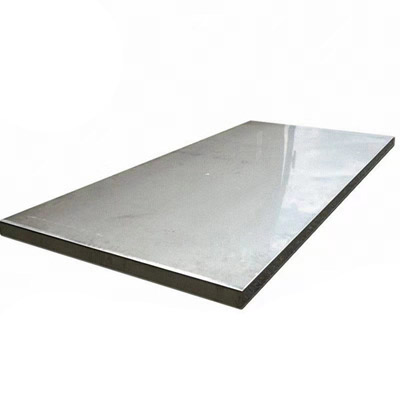
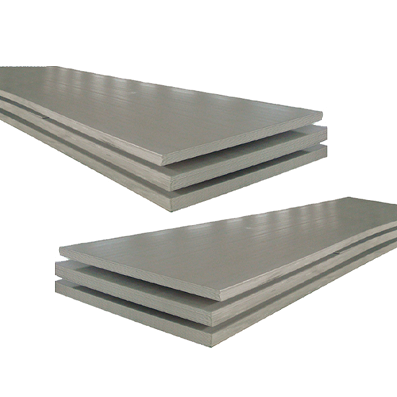 Sheet & Plate
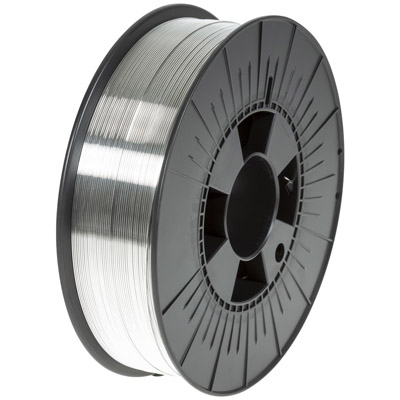
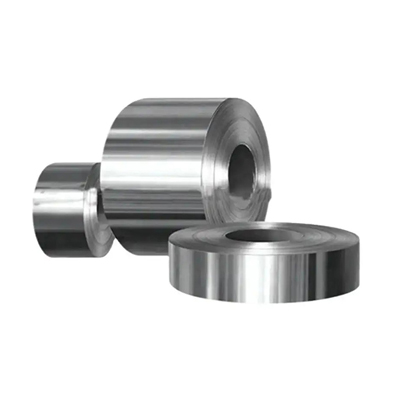
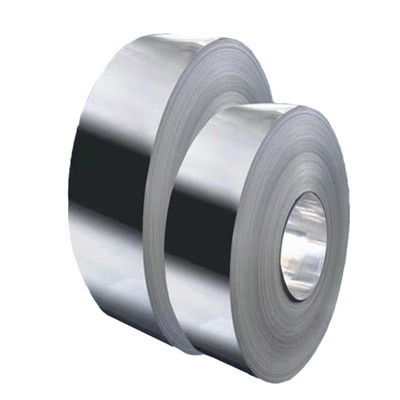
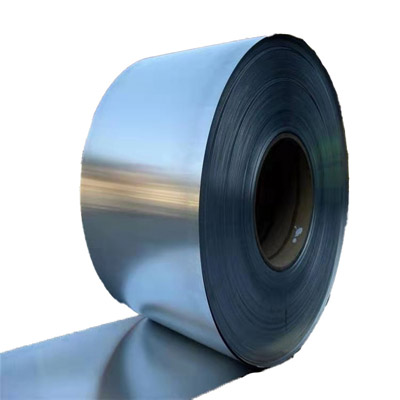
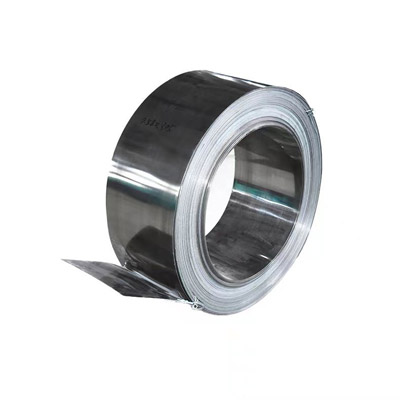
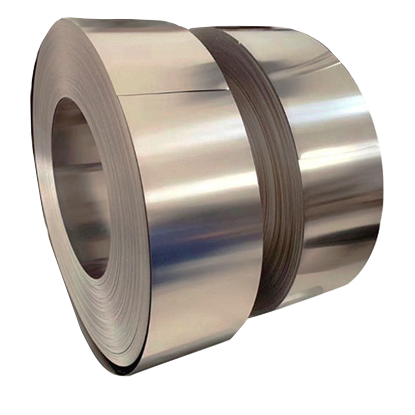 Strip & Foil
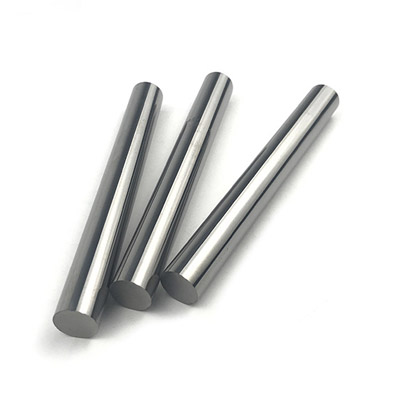
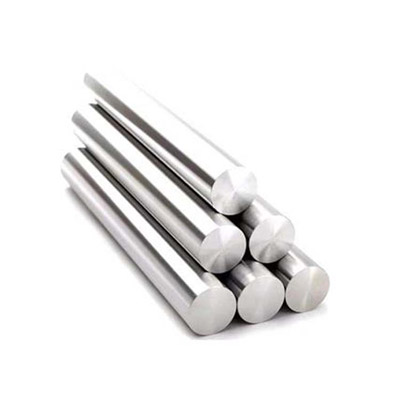
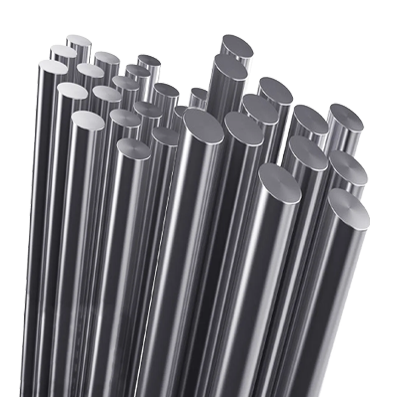 Bar & Rod
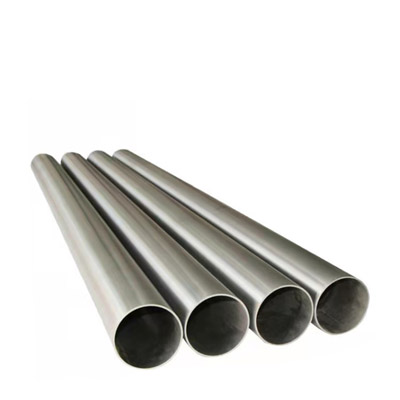
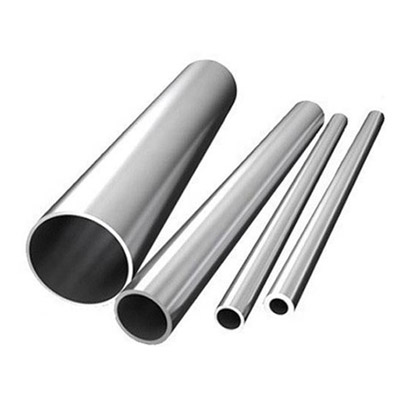
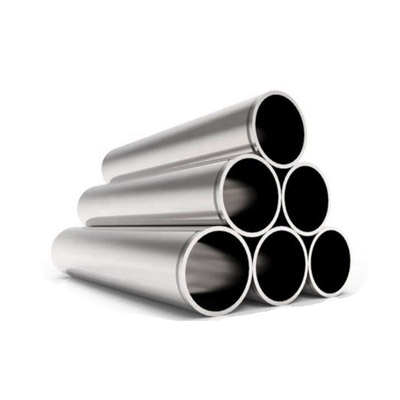
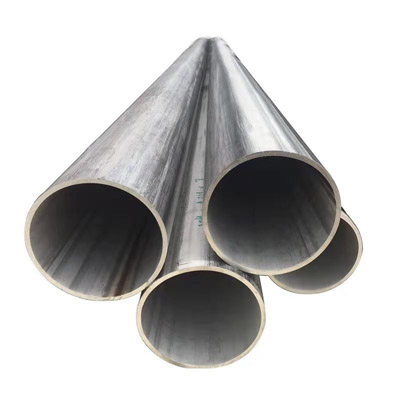
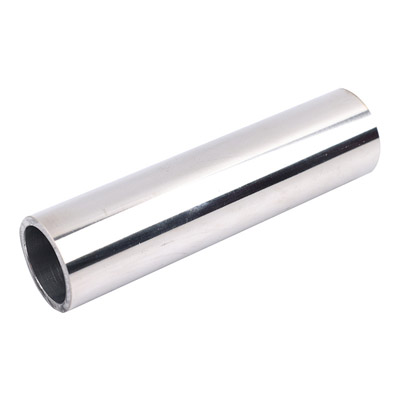
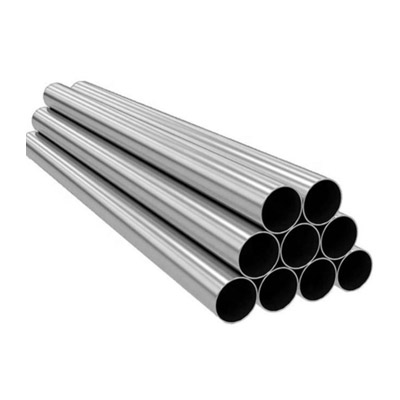 Pipe & Tube
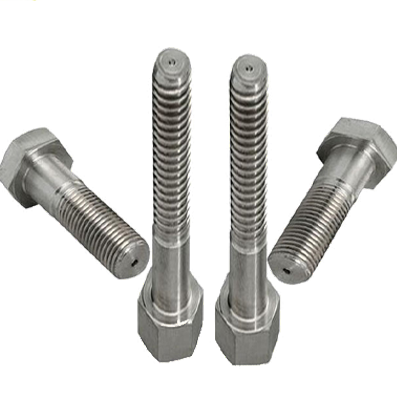 Bolts & Fasteners
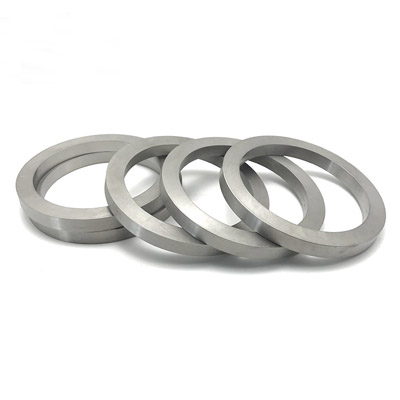
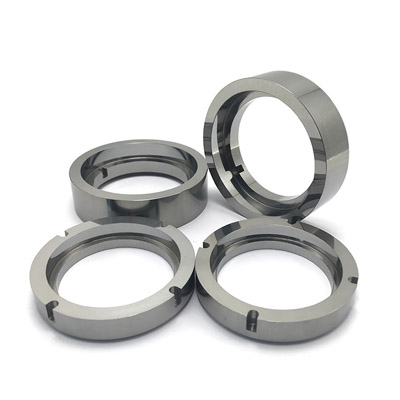
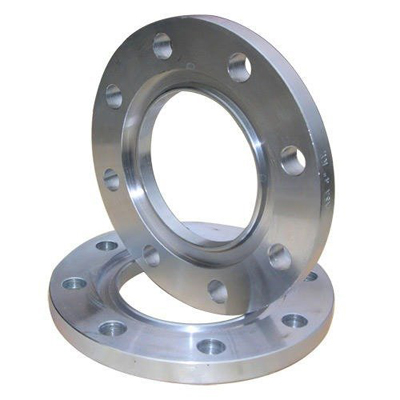
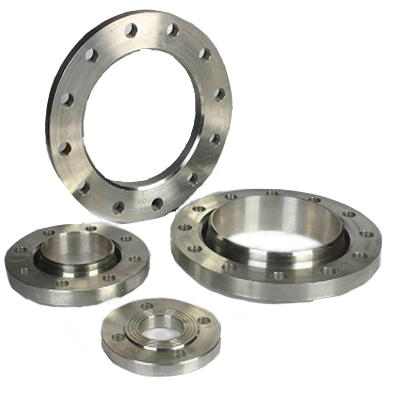 Flange & Ring
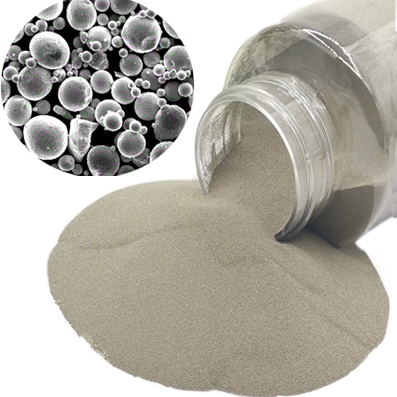 Nickel Alloy Powder


Inconel 601 vs Inconel 617: Properties, Applications and How to Choose
Inconel 601 and Inconel 617 are nickel-based superalloys designed for high-temperature and corrosive environments. Although both alloys offer excellent oxidation resistance and high-temperature performance, their chemical compositions, mechanical properties, and typical applications are different.
Understanding the differences between Inconel 601 and Inconel 617 can help engineers select the right alloy for industrial furnaces, heat-treatment equipment, chemical processing, and other high-temperature applications.
1. Inconel 601
Inconel 601, UNS N06601, is a nickel-chromium alloy with aluminum addition. The alloy is particularly well known for its excellent resistance to oxidation at high temperatures.
The aluminum content helps form a protective aluminum oxide film, while its high nickel and chromium content provides good resistance to oxidation and carburization.
2. Inconel 617
Inconel 617, UNS N06617, is a nickel-chromium-cobalt-molybdenum alloy developed for high-temperature applications requiring excellent strength and oxidation resistance.
Compared with Inconel 601, Inconel 617 contains significant additions of cobalt and molybdenum. These elements contribute to its superior high-temperature strength and resistance to creep and deformation.
3. What Are the Main Advantages of Inconel 601 Over Inconel 617?
3.1 Excellent Oxidation Resistance
One of the most important advantages of Inconel 601 is its excellent resistance to oxidation at elevated temperatures.
The alloy contains chromium and aluminum, which help form a stable protective oxide layer on the surface. This protective layer reduces further oxidation when the material is exposed to high-temperature air and other oxidizing environments.
This makes Inconel 601 particularly suitable for furnace components, radiant tubes, trays, baskets, and other equipment exposed to high-temperature oxidizing atmospheres.
3.2 Excellent Resistance to Thermal Cycling
Inconel 601 performs well under repeated heating and cooling conditions.
Industrial furnace components may experience frequent temperature changes during loading, unloading, heating, cooling, and production-cycle changes. Inconel 601 is designed to maintain good oxidation resistance and structural integrity under these conditions.
For equipment subject to frequent thermal cycling, this can be an important reason to select 601.
3.3 Good Resistance to Carburization
Inconel 601 provides good resistance to carburization in high-temperature environments.
Carburization can occur when metallic components are exposed to carbon-rich atmospheres at elevated temperatures. Excessive carbon absorption can cause material degradation and loss of mechanical properties.
For heat-treatment and petrochemical processing equipment, Inconel 601 can therefore be a practical material choice when both oxidation and carburization resistance are required.
3.4 Good Resistance in High-Temperature Corrosive Environments
Inconel 601 combines high nickel content with chromium and aluminum additions. This provides a useful balance of oxidation resistance and corrosion resistance.
It can be used in various aggressive industrial environments where conventional stainless steels may not provide sufficient performance.
3.5 Good Fabrication and Weldability
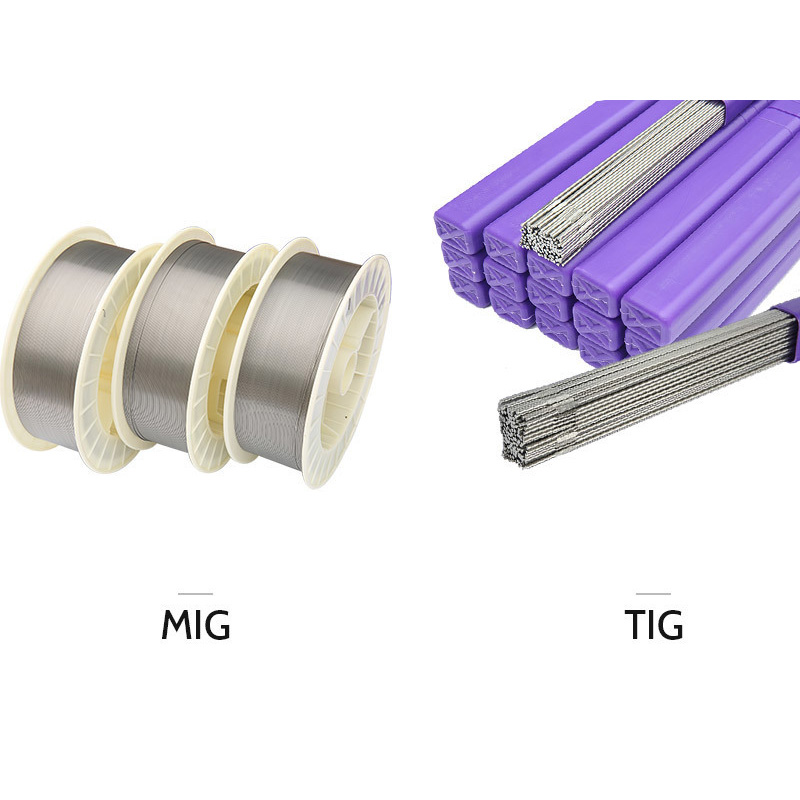
Inconel 601 has good fabrication characteristics and can be welded using commonly used nickel-alloy welding processes.
This is important for manufacturers producing complex furnace assemblies, heat-treatment equipment, and fabricated components.
4. Inconel 601 Applications
Inconel 601 is widely used in industries where high-temperature oxidation resistance and thermal cycling performance are important.
Industrial Furnaces
Typical furnace applications include:
- Furnace trays
- Furnace baskets
- Furnace muffles
- Radiant tubes
- Retorts
- Furnace fixtures
- Heat-treatment baskets
- Burner components
Heat-Treatment Equipment
Inconel 601 is suitable for components used in heat-treatment operations, particularly where repeated heating and cooling cycles occur.
Typical applications include:
- Heat-treatment fixtures
- Supporting frames
- Conveyor components
- Loading baskets
- Heating-system components
Petrochemical Industry
Inconel 601 can be used in petrochemical processing equipment exposed to high temperatures, oxidation, and carburizing environments.
Typical applications include:
- Process equipment
- Combustion components
- Heat-treatment equipment
- High-temperature piping components
- Furnace-related equipment
Chemical Processing
Because of its corrosion and oxidation resistance, Inconel 601 is also used in selected chemical-processing applications involving elevated temperatures.
Power Generation
Inconel 601 can be used for selected high-temperature components in power-generation equipment where oxidation resistance and thermal cycling are important.
5. When Should You Choose Inconel 601?
Inconel 601 should be considered when the following conditions apply:
- The application has a strongly oxidizing atmosphere.
601 is particularly suitable when oxidation resistance is one of the main material requirements.
- The equipment experiences frequent thermal cycling.
If components are repeatedly heated and cooled, 601 can provide a good combination of oxidation resistance and thermal-cycle performance.
- Carburization resistance is required.
For certain heat-treatment and petrochemical environments, 601 provides useful resistance to carburization.
- Maximum creep strength is not the primary requirement.
If the component is not subjected to extremely high mechanical stress for long periods at elevated temperature, the high-temperature strength advantages of 617 may not be necessary.
- The application is primarily furnace-related.
Furnace trays, baskets, radiant tubes, muffles, retorts, and heat-treatment fixtures are typical applications where Inconel 601 is widely considered.
6. What Are the Advantages of Inconel 617 Over Inconel 601?
6.1 Higher High-Temperature Strength
One of the major advantages of Inconel 617 is its excellent mechanical strength at elevated temperatures.
Inconel 617 contains cobalt and molybdenum in addition to nickel and chromium. These alloying elements contribute to its solid-solution strengthening and help maintain mechanical properties at high temperatures.
For components subjected to significant mechanical loads while operating at elevated temperatures, 617 can provide an important performance advantage over 601.
6.2 Better Creep Resistance
Creep is the gradual deformation of a material under constant stress at elevated temperature.
For long-term high-temperature service, creep resistance can be more important than room-temperature strength.
Inconel 617 is designed to provide excellent resistance to creep and stress-related deformation. This makes it particularly useful for components that must maintain dimensional stability over long periods at high temperature.
6.3 Better Resistance to High-Temperature Deformation
When high-temperature components are subjected to continuous mechanical stress, deformation can eventually affect equipment reliability and service life.
The alloying system of Inconel 617 provides strong solid-solution strengthening, allowing the alloy to retain useful mechanical properties during prolonged exposure to elevated temperatures.
Therefore, 617 is particularly attractive for structural components operating under sustained high-temperature loads.
6.4 Excellent Oxidation Resistance
Although high-temperature strength is one of the main reasons for selecting Inconel 617, oxidation resistance is also an important characteristic.
Its relatively high chromium content provides resistance to oxidation in high-temperature environments. This allows 617 to combine mechanical strength with good environmental resistance.
6.5 Good High-Temperature Corrosion Resistance
Inconel 617 provides good resistance to various high-temperature corrosive environments.
The combination of nickel, chromium, cobalt, and molybdenum provides a useful balance of high-temperature mechanical properties and corrosion resistance.
This makes the alloy suitable for demanding chemical-processing, power-generation, and aerospace applications.
7. Inconel 617 Applications
Inconel 617 is used in applications where high temperature and mechanical loading occur simultaneously.
Gas Turbines
Inconel 617 is used for selected gas-turbine components because of its combination of high-temperature strength, oxidation resistance, and creep resistance.
Typical applications include:
- Combustion components
- Transition components
- Ducting
- High-temperature structural components
- Turbine-related hardware
Aerospace Applications
The combination of high-temperature strength and oxidation resistance makes Inconel 617 suitable for selected aerospace applications.
It can be considered for components exposed to elevated temperatures where mechanical integrity must be maintained over extended operating periods.
High-Temperature Heat Exchangers
Inconel 617 can be used for heat-exchanger components operating at high temperatures, particularly where pressure, mechanical loading, and long-term thermal exposure are involved.
Power Generation
Inconel 617 is used in advanced power-generation systems requiring materials capable of operating at elevated temperatures.
Potential applications include:
- High-temperature heat exchangers
- Combustion systems
- Power-generation components
- High-temperature piping and structural components
Chemical Processing
The alloy can also be used for chemical-processing equipment where high temperature, corrosion, and mechanical stress occur simultaneously.
Advanced Energy Systems
Because of its high-temperature strength and creep resistance, Inconel 617 has been considered for advanced energy systems and high-temperature heat-transfer applications.
8. When Should You Choose Inconel 617?
Inconel 617 should be considered when the following conditions apply:
High Mechanical Stress at Elevated Temperature
If the component must carry a significant mechanical load while operating at high temperature, 617 can be advantageous.
Long-Term High-Temperature Service
For equipment designed to operate continuously at elevated temperatures for long periods, creep resistance becomes an important material-selection factor.
Creep and Stress-Rupture Resistance Are Critical
When creep deformation or stress rupture could determine component life, the high-temperature mechanical characteristics of 617 make it a strong candidate.
Dimensional Stability Is Important
For precision components that must maintain their shape and dimensions during prolonged high-temperature operation, resistance to high-temperature deformation is important.
High Temperature and Corrosion Occur Together
In applications where the material must simultaneously withstand high temperature, oxidation, corrosion, and mechanical stress, Inconel 617 provides a balanced combination of properties.
9. Inconel 601 vs Inconel 617: Conclusion
Inconel 601 and Inconel 617 are both high-performance nickel-based alloys, but they are optimized for somewhat different service conditions.
Inconel 601 focuses on excellent oxidation resistance, carburization resistance, and thermal cycling performance.
Inconel 617 provides a stronger combination of high-temperature strength, creep resistance, oxidation resistance, and long-term structural stability.
Therefore, material selection should consider operating temperature, stress level, atmosphere, corrosion conditions, required service life, product form, and applicable ASTM or ASME specifications.
For bars, plates, sheets, tubes, and wires, the final material grade and product specification should always be confirmed according to the actual application and required standard.
RFQ.
1. What is the main difference between Inconel 601 and Inconel 617?
Answer: Inconel 601 is mainly known for excellent oxidation resistance and thermal cycling performance, while Inconel 617 offers higher high-temperature strength and better creep resistance.
2. Which alloy is better for high-temperature structural applications, Inconel 601 or 617?
Answer: Inconel 617 is generally more suitable when high-temperature strength, creep resistance, and long-term mechanical stability are critical.
3. Which alloy is better for furnace components?
Answer: Inconel 601 is widely used for furnace trays, baskets, muffles, radiant tubes, and heat-treatment fixtures because of its excellent oxidation and thermal cycling resistance.
4. Which alloy should I choose for long-term high-temperature service?
Answer: Inconel 617 is a suitable choice when the component is exposed to high temperature and sustained mechanical stress for long periods.
5. Can Inconel 601 and Inconel 617 replace each other?
Answer: Not always. The selection depends on temperature, mechanical load, atmosphere, creep requirements, corrosion conditions, and service life.
Contact Huiyu Alloys today for nickel alloy grade selection, material specifications, customized sizes, technical consultation, and quotation.
Website: https://www.huiyualloys.com/
Email: hyalloys@gmail.com sales6@huiyualloys.com
Whatsapp: (86 )17627989936
Huiyu Alloys — Your Reliable Nickel Alloy Manufacturer & Supplier in China.