


 Cr15Al5
 Cr19Al3
 Cr25Al5
 Cr23Al5Ti
 Cr21Al16Nb
 Cr27Al7Mo2
 Cr20Ni80
 Cr30Ni70
 Cr15Ni60
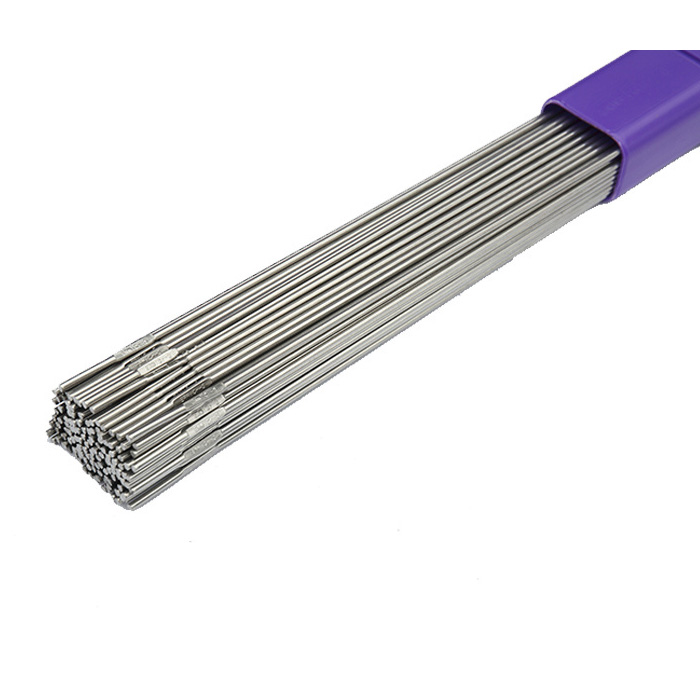 Inconel 625
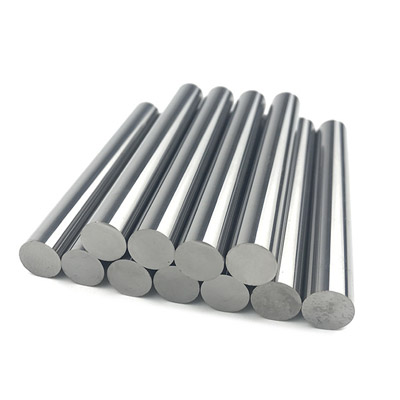 Inconel 718
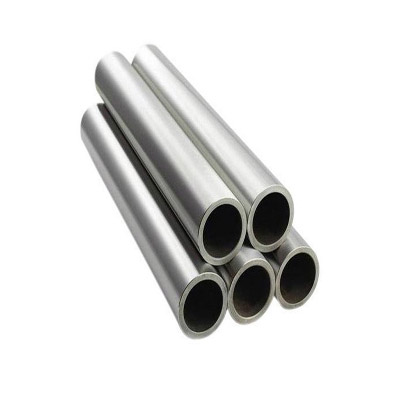 Inconel 725
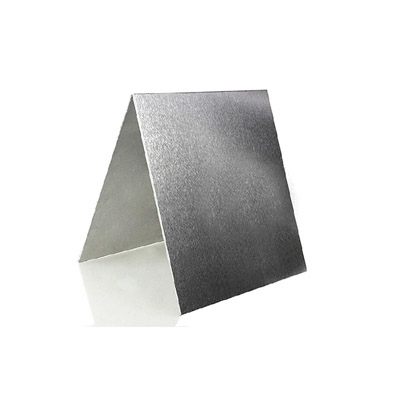 Inconel X-750
 Inconel 690
 Inconel 617
 Inconel 601
 Inconel 600
 Inconel 686
 Inconel 602CA
 Incoloy A-286
 Incoloy 825
 Incoloy 925
 Incoloy 926
 Incoloy 800
 Incoloy 800H
 Incoloy 800HT
 Incoloy 909
 Incoloy 31
 Incoloy 901
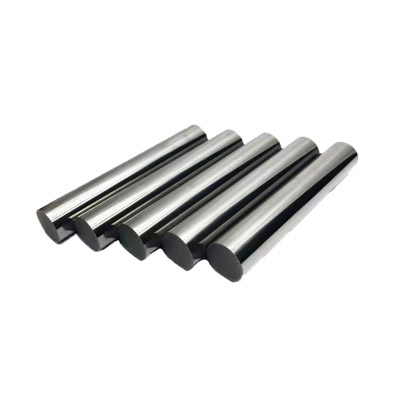 Monel K-500
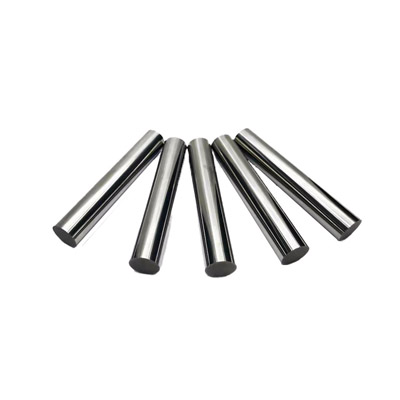 Monel 400
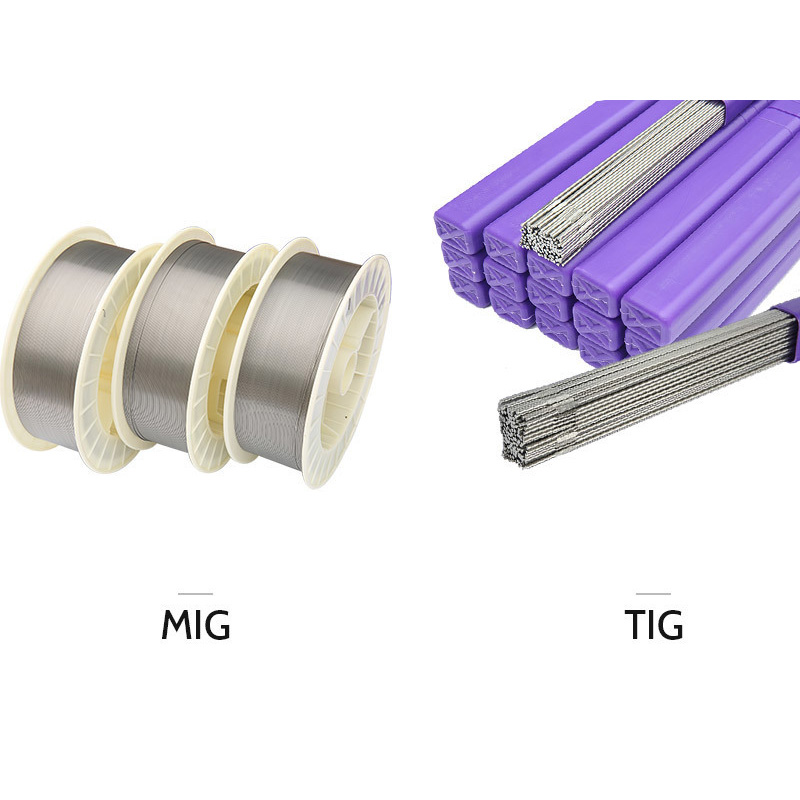 Nimonic 263
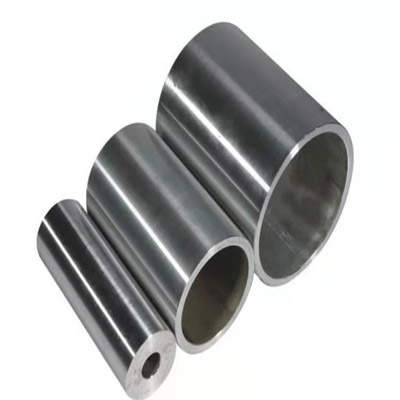 Nimonic 75
 Nimonic 80A
 Nimonic 90
 Nimonic PE11
 Nimonic PE16
 Nimonic PK33
 Nimonic 901
 Nimonic 81
 Nimonic 86
 Nimonic 105
 Nimonic 115
 Hastelloy C-276
 Hastelloy C
 Hastelloy C4
 Hastelloy C-22
 Hastelloy C-2000
 Hastelloy B-2
 Hastelloy B-3
 Hastelloy G30
 Hastelloy X
 Super Invar 32-5(4J32)
 Alloy 36(4J36)
 Alloy 42(4J42)
 Alloy 50(1J50)
 Hiperco 50(1J22)
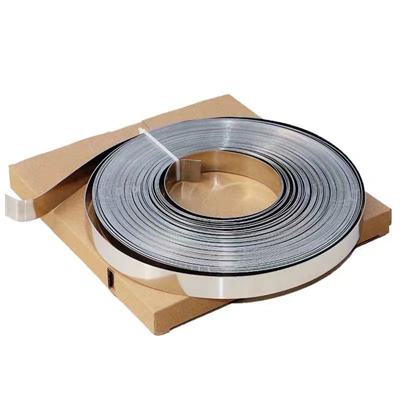 Alloy 46
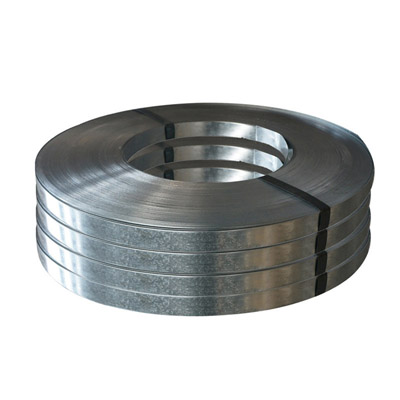 Permalloy (1J79)
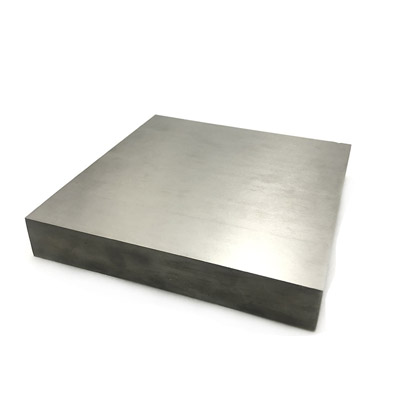 Supermalloy(1J85)
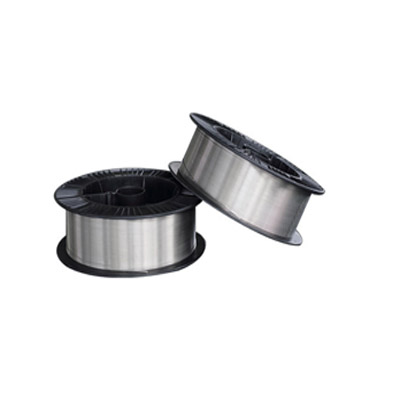 ERNiCrMo-2
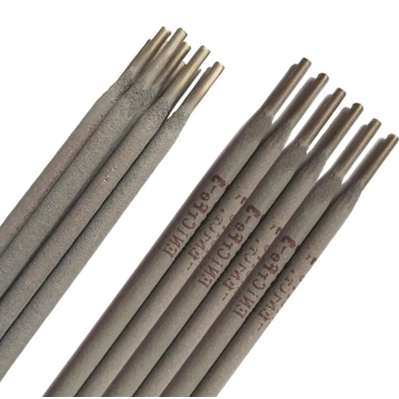 ERNiCrMo-3
 ERNiCrMo-4
 ERNiCrFe-7
 ERNiCrFe-7A
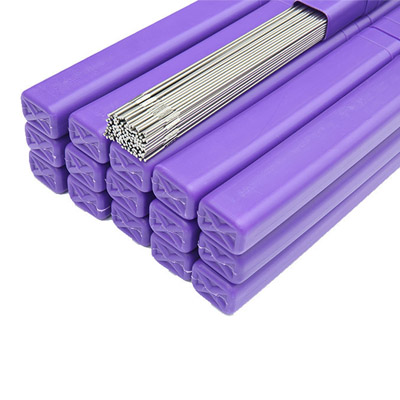 ERNiCrMo-10
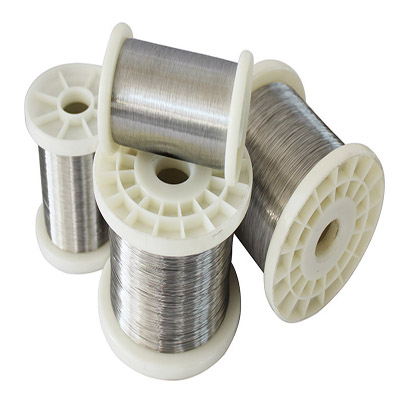 ERNiCrCoMo-1
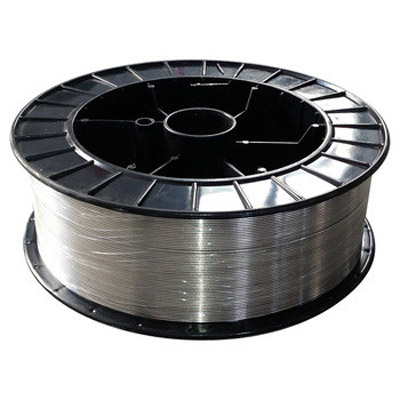 ERNiFeCr-2
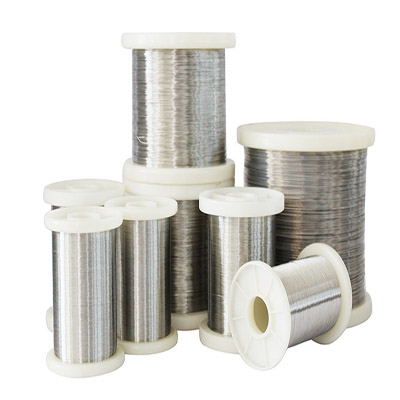 ERNiFeCr-1
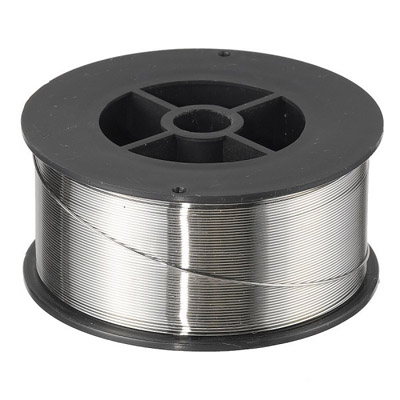 ERNiMo-8
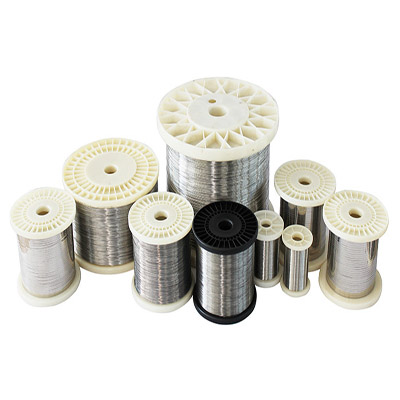 ERNiCrMo-13
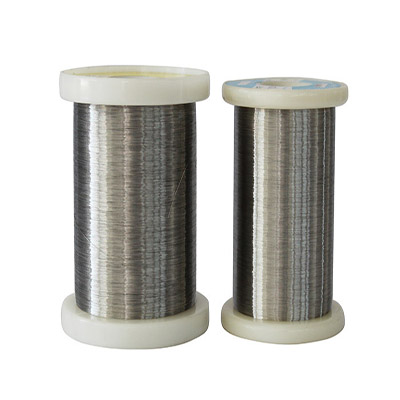 ERNiCr-4
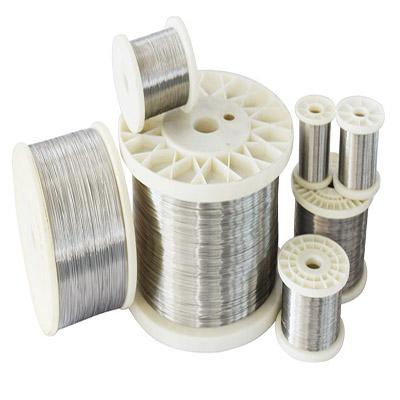 ERNiCr-3
 ERNi-1
 Haynes-25
 Hayness-188
 MP35N
 Refractory 26
 Waspaloy alloy
 17-4PH
 17-7PH
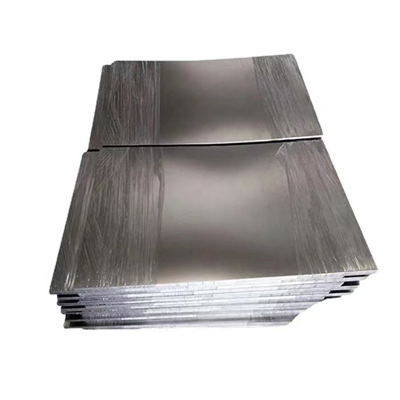 904L
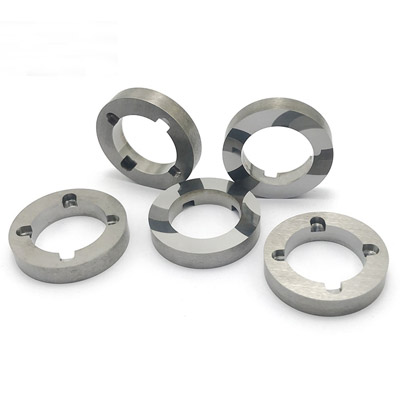 Nitronic 50
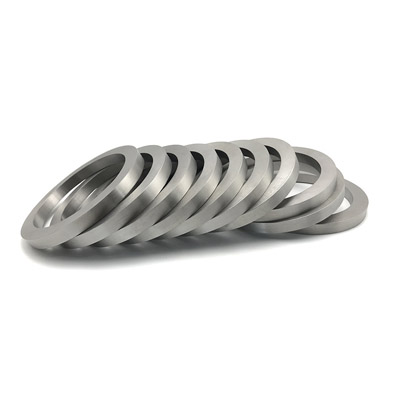 Nitronic 60
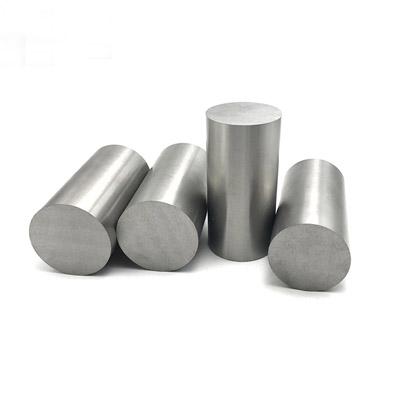 AL-6XN
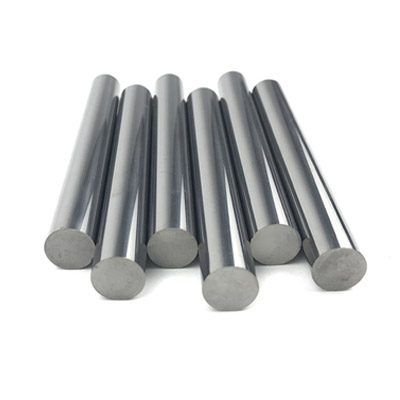 F55
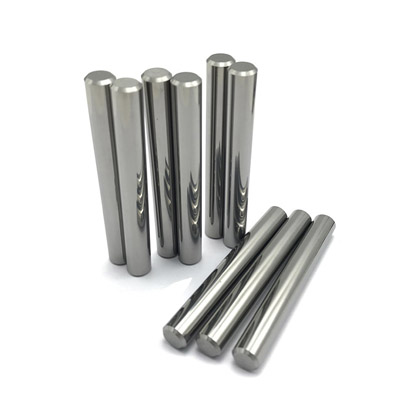 PH 13-8
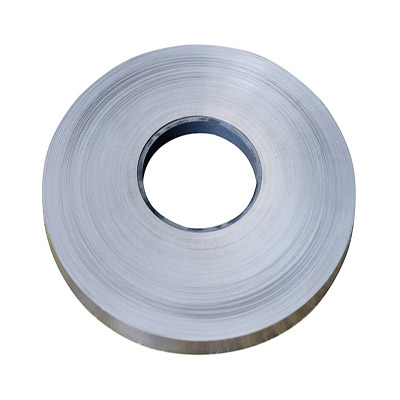 Haynes-230
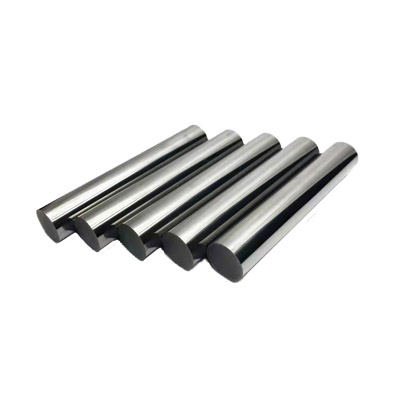 Nickel 200
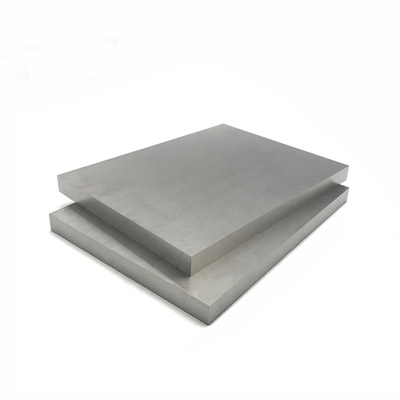
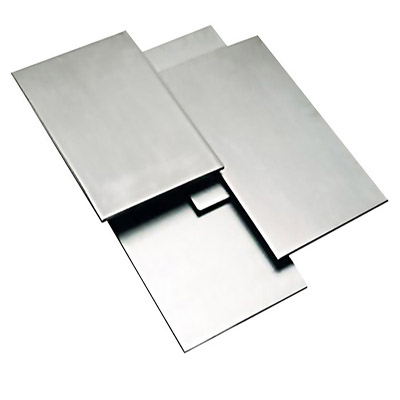
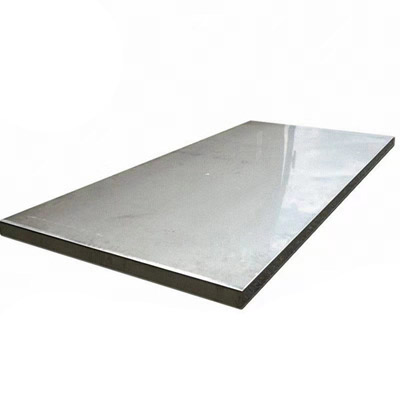
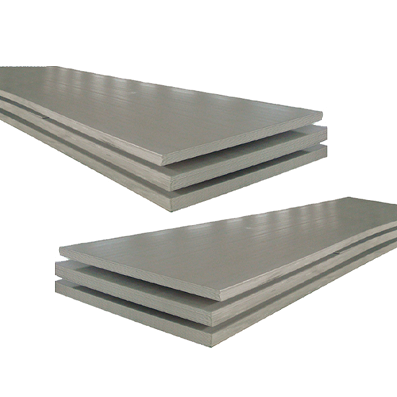 Sheet & Plate
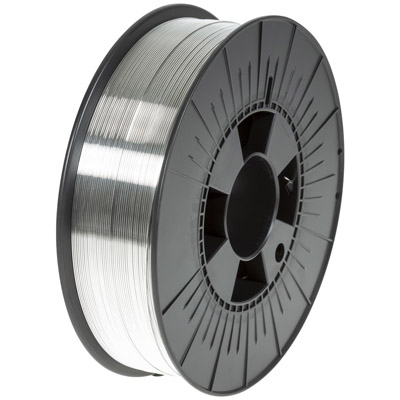
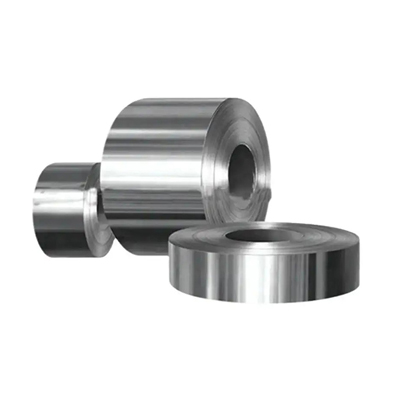
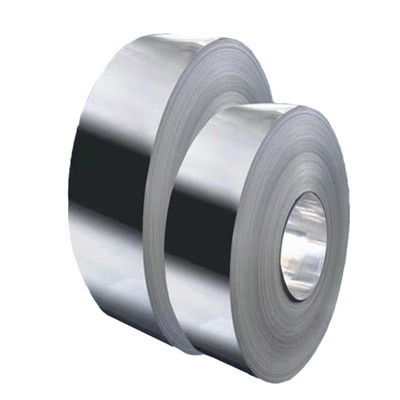
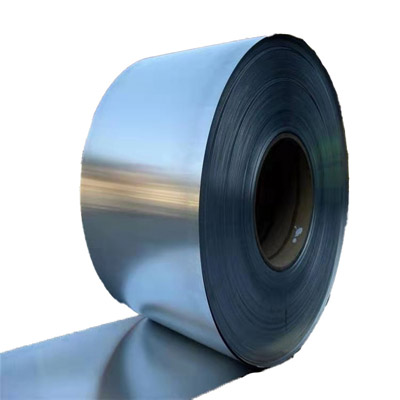
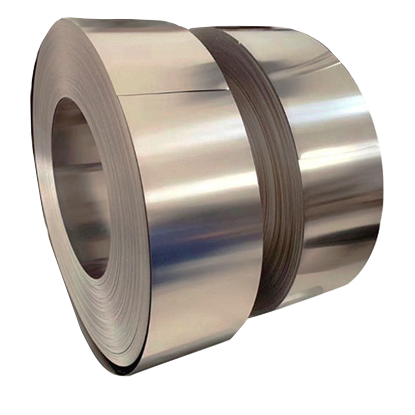 Strip & Foil
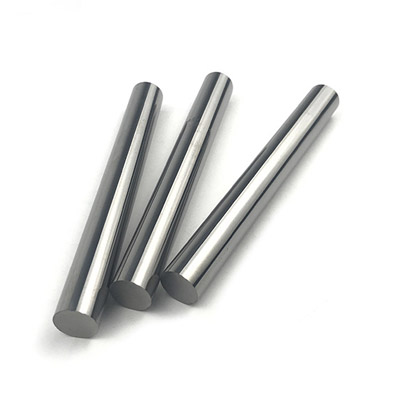
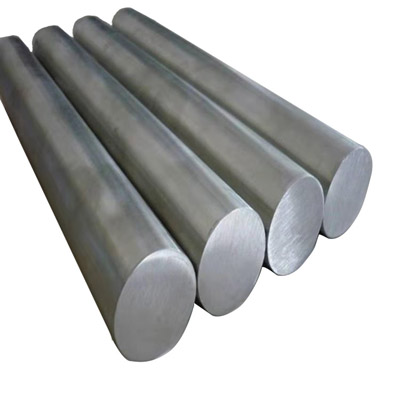
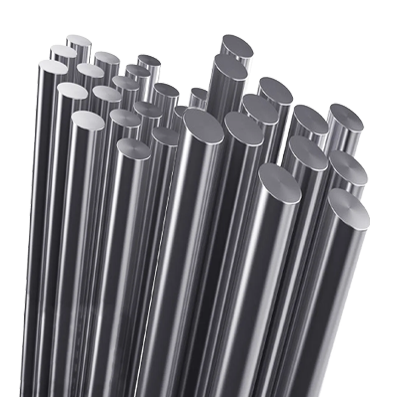 Bar & Rod
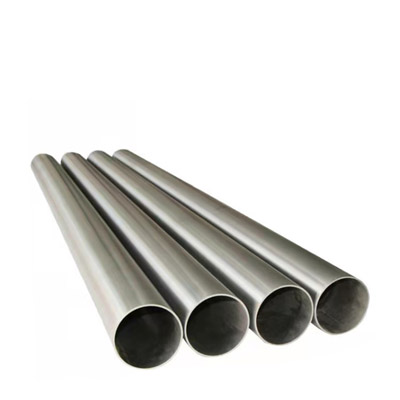
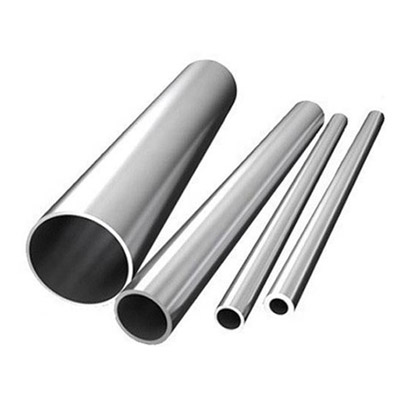
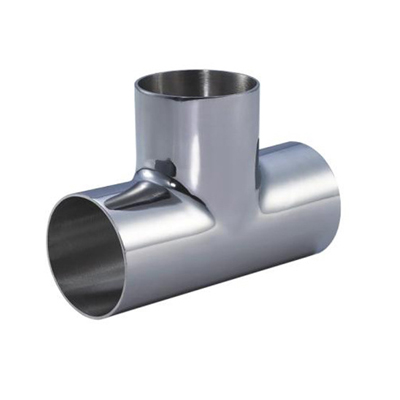
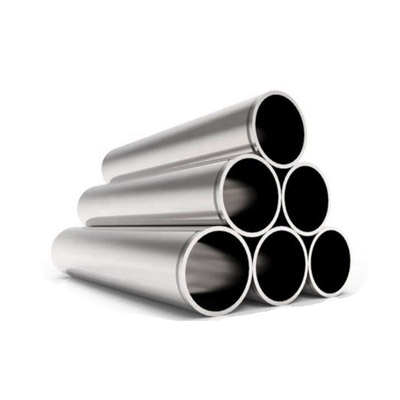
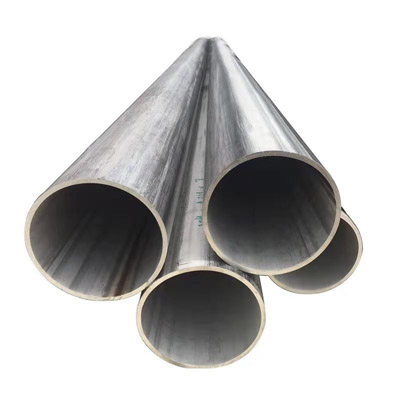
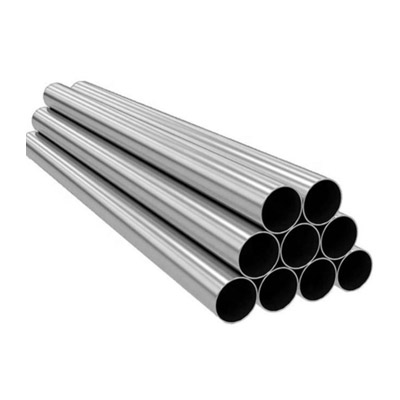 Pipe & Tube
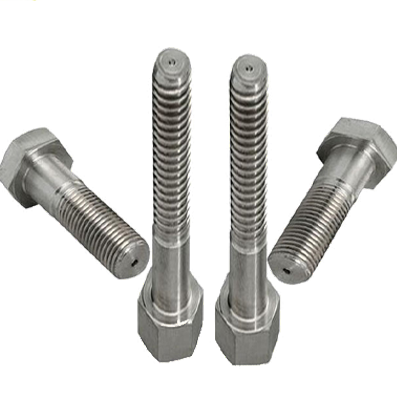 Bolts & Fasteners
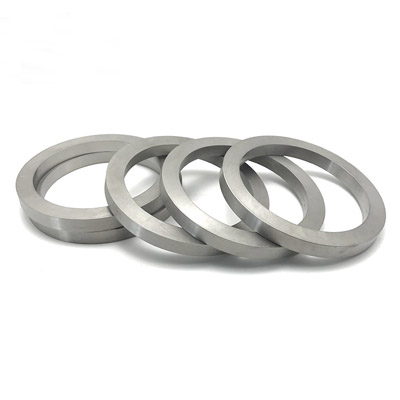
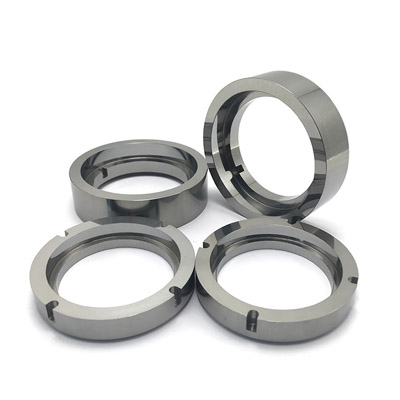
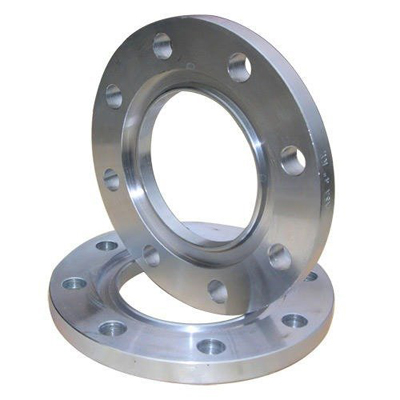
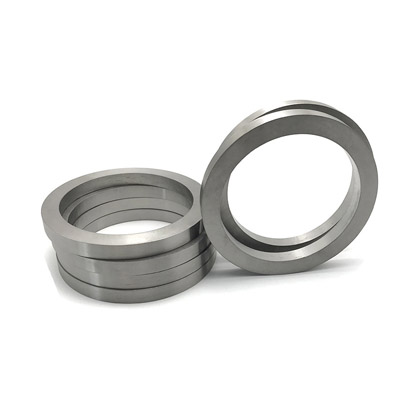
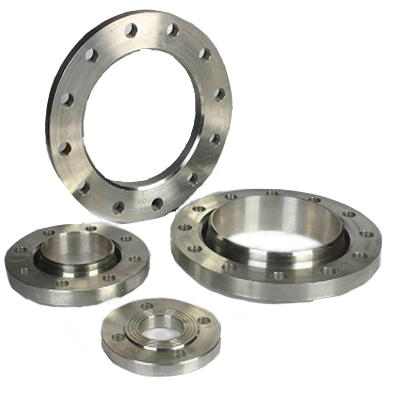 Flange & Ring
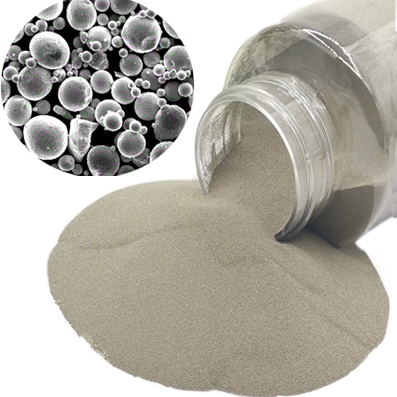 Nickel Alloy Powder


Hastelloy X vs. Inconel 625: Key Differences, Properties, Applications, and How to Choose
1. Introduction
Hastelloy X and Inconel 625 are two widely used nickel-based superalloys known for their excellent corrosion resistance, high-temperature strength, and outstanding performance in demanding industrial environments.
Although both alloys offer excellent mechanical properties and oxidation resistance, they are designed for different operating conditions.
Hastelloy X is particularly suitable for high-temperature applications where oxidation resistance, thermal stability, and strength are essential. It is widely used in gas turbines, industrial furnaces, and aerospace equipment.
Inconel 625 is known for its exceptional corrosion resistance, high strength, and resistance to pitting, crevice corrosion, and chloride-induced stress corrosion cracking. It is widely used in chemical processing, marine engineering, offshore equipment, and aerospace applications.
Understanding the differences between Hastelloy X and Inconel 625 helps engineers, manufacturers, and purchasing professionals select the most suitable material for their projects.
. What Are the Main Advantages of Hastelloy X Over Inconel 625?
2.1 Better Oxidation Resistance at Extremely High Temperatures
One of the most important advantages of Hastelloy X is its excellent oxidation resistance at extremely high temperatures.
Hastelloy X contains approximately 20.5–23.0% chromium, which helps form a protective oxide layer on the material surface.
According to Haynes International's comparative oxidation testing, Hastelloy X demonstrated better resistance to metal loss than Inconel 625 at 2000°F (1095°C) after 1008 hours of exposure in flowing air.
This makes Hastelloy X particularly attractive for equipment operating under extremely hot and oxidizing conditions.
Main advantages include:
Excellent resistance to high-temperature oxidation.
Good resistance to scaling.
Good resistance to carburization.
Reliable performance in oxidizing furnace atmospheres.
Suitable for prolonged exposure to elevated temperatures.
For applications involving high-temperature combustion gases and industrial furnace environments, Hastelloy X can offer significant advantages over Inconel 625.
2.2 Better Performance in Long-Term High-Temperature Environments
Hastelloy X was specifically developed for applications requiring high-temperature strength and oxidation resistance.
It maintains good ductility after prolonged exposure at temperatures of 650°C, 760°C, and 870°C for up to 16,000 hours in reported testing.
This is particularly important for industrial components that operate continuously under high thermal loads.
Compared with Inconel 625, Hastelloy X is often a more suitable choice for certain long-term high-temperature applications.
Typical benefits include:
Good long-term thermal stability.
Excellent resistance to oxidation during high-temperature operation.
Good retention of ductility after thermal exposure.
Reliable performance in furnace and combustion environments.
It is important to note that both alloys can undergo microstructural changes during prolonged thermal exposure. Material selection should consider the actual operating temperature, exposure time, stress, and design requirements.
2.3 Better Suitability for Gas Turbine Combustion Components
Hastelloy X is widely recognized as an important material for gas turbine applications.
Its combination of high-temperature strength, oxidation resistance, and fabrication characteristics makes it suitable for components exposed to hot combustion gases.
Compared with Inconel 625, Hastelloy X is particularly attractive when the primary requirement is resistance to extreme heat and oxidation rather than resistance to severe aqueous corrosion.
Typical components include:
Combustion liners.
Combustor cans.
Transition ducts.
Flame holders.
Spray bars.
Afterburner components.
Exhaust systems.
These applications require materials capable of maintaining reliable performance under continuous thermal stress and high-temperature oxidation.
2.4 Better Resistance to Certain Industrial Furnace Environments
Hastelloy X provides excellent resistance to oxidizing, reducing, and neutral furnace atmospheres.
This makes it suitable for demanding heat treatment and industrial furnace applications.
Typical advantages include:
Good resistance to high-temperature furnace atmospheres.
Excellent oxidation resistance.
Good resistance to carburization.
Good thermal stability.
Excellent forming and welding characteristics.
For furnace rolls, radiant heating components, furnace baffles, and other high-temperature equipment, Hastelloy X is often an excellent material choice.
2.5 Excellent Fabrication and Welding Characteristics
Hastelloy X offers excellent forming and welding characteristics.
It can be processed using various conventional welding methods, including:
GTAW (TIG Welding).
GMAW (MIG Welding).
SMAW (Shielded Metal Arc Welding).
Resistance Welding.
It also offers good hot-working and cold-forming characteristics.
These properties make Hastelloy X suitable for manufacturing complex high-temperature components, welded assemblies, and industrial furnace equipment.
Inconel 625 also has excellent weldability, so Hastelloy X should not be considered universally superior in this respect. Its advantage is that it combines good fabrication characteristics with excellent high-temperature oxidation performance.
4. Main Applications of Hastelloy X
4.1 Aerospace Industry
The aerospace industry is one of the most important application areas for Hastelloy X.
Aircraft engines and gas turbines operate under extremely high temperatures, requiring materials with excellent oxidation resistance and mechanical stability.
Typical applications include:
Aircraft engine combustion chambers.
Combustor liners.
Transition ducts.
Afterburners.
Exhaust components.
Flame holders.
Cabin heating systems.
Hastelloy X is particularly suitable for components exposed to hot combustion gases and thermal cycling.
4.2 Industrial Furnace Industry
Hastelloy X is widely used in industrial furnaces and heat treatment equipment.
It provides excellent resistance to oxidation in high-temperature furnace atmospheres.
Typical applications include:
Furnace rolls.
Furnace baffles.
Radiant tubes.
Heat treatment fixtures.
Retorts.
Muffles.
High-temperature support components.
For manufacturers of industrial heating equipment, Hastelloy X offers a reliable combination of oxidation resistance and fabrication performance.
4.3 Petrochemical Industry
Hastelloy X is also used in petrochemical processing equipment where materials are exposed to high temperatures and demanding chemical environments.
Typical applications include:
Pyrolysis equipment.
High-temperature processing components.
Catalyst support grids.
Flash dryer components.
Heat-resistant structural parts.
Its resistance to stress-corrosion cracking in certain petrochemical environments is another important advantage.
4.4 Power Generation Industry
Power generation equipment often operates under high temperatures, thermal stress, and oxidation conditions.
Hastelloy X can be used in selected high-temperature components, including:
Gas turbine components.
Combustion equipment.
Exhaust systems.
High-temperature ducts.
Thermal processing equipment.
5. When Should You Choose Hastelloy X Instead of Inconel 625?
Hastelloy X should be considered when your project has the following requirements:
- Extremely high operating temperatures
If the equipment operates around 900–1100°C in an oxidizing atmosphere, Hastelloy X may offer better oxidation performance.
- Long-term exposure to high temperatures
If components must operate continuously under elevated temperatures, Hastelloy X is worth considering because of its documented retention of ductility after prolonged thermal exposure.
- Gas turbine applications
For combustion chambers, transition ducts, flame holders, and other hot-section components, Hastelloy X is a well-established material.
- Industrial furnace manufacturing
If your equipment requires excellent oxidation resistance in oxidizing, reducing, or neutral furnace atmospheres, Hastelloy X is an excellent option.
- High-temperature welded structures
When manufacturing welded assemblies exposed to high temperatures, Hastelloy X offers a good combination of weldability, formability, and oxidation resistance.
6. What Are the Main Advantages of Inconel 625 Over Hastelloy X?
6.1 Superior Corrosion Resistance
One of the biggest advantages of Inconel 625 is its outstanding corrosion resistance in aggressive environments.
Its chemical composition includes approximately 20–23% chromium, 8–10% molybdenum, and 3.15–4.15% niobium plus tantalum.
These alloying elements provide excellent resistance to many corrosive environments.
Inconel 625 offers excellent resistance to:
Pitting corrosion.
Crevice corrosion.
Chloride-induced stress corrosion cracking.
Seawater corrosion.
Many acidic and alkaline environments.
Oxidation and corrosion in various chemical processing conditions.
Compared with Hastelloy X, Inconel 625 is generally more suitable for severe aqueous corrosion environments, particularly those containing chlorides.
This makes it an excellent material for marine engineering, offshore platforms, and chemical processing equipment.
6.2 Better Resistance to Pitting and Crevice Corrosion
Inconel 625 contains a relatively high molybdenum content, which significantly improves its resistance to localized corrosion.
Pitting and crevice corrosion are common problems in equipment exposed to seawater, chloride solutions, and other aggressive liquids.
Inconel 625 provides excellent resistance to these corrosion mechanisms, making it suitable for:
Seawater heat exchangers.
Offshore piping systems.
Subsea equipment.
Marine engineering components.
Chemical processing vessels.
Corrosion-resistant fasteners.
For applications where localized corrosion is a major concern, Inconel 625 offers an important advantage over Hastelloy X.
6.3 Higher Mechanical Strength in Common Annealed Conditions
Inconel 625 generally provides higher tensile strength and yield strength than Hastelloy X in common annealed product conditions.
Its high strength is primarily achieved through solid-solution strengthening from molybdenum and niobium.
This allows Inconel 625 to maintain excellent mechanical properties across a wide temperature range.
Important advantages include:
High tensile strength.
Good yield strength.
Excellent fatigue resistance.
Good ductility.
Reliable mechanical performance.
Good resistance to mechanical loading.
For components requiring both high strength and corrosion resistance, Inconel 625 is an attractive material choice.
6.4 Better Performance in Marine and Offshore Environments
Inconel 625 is widely used in marine engineering because of its excellent resistance to seawater and chloride-containing environments.
Unlike many conventional stainless steels, it provides excellent resistance to pitting, crevice corrosion, and chloride-induced stress corrosion cracking.
Typical applications include:
Offshore oil and gas platforms.
Subsea production equipment.
Seawater piping systems.
Marine heat exchangers.
Ship exhaust systems.
Underwater connectors and fasteners.
Hastelloy X is designed primarily for high-temperature service and is not generally the preferred material for prolonged exposure to aggressive seawater environments.
6.5 Excellent Weldability and Fabrication Characteristics
Inconel 625 has excellent welding and fabrication characteristics.
It can be welded using several conventional welding processes, including:
GTAW (TIG Welding).
GMAW (MIG Welding).
SMAW (Shielded Metal Arc Welding).
Plasma Arc Welding.
Inconel 625 is also widely used as a welding filler material because of its excellent corrosion resistance and compatibility with various nickel-based alloys and dissimilar metal joints.
Its good formability and weldability make it suitable for manufacturing complex components, pressure vessels, pipes, and heat exchangers.
Hastelloy X also has good welding characteristics, but Inconel 625 is particularly attractive when corrosion-resistant welded structures are required.
6.6 Better Suitability for a Wide Range of Corrosive Environments
Another important advantage of Inconel 625 is its versatility in different industrial environments.
It can be used in applications involving:
Seawater.
Chloride-containing solutions.
Many acidic environments.
Chemical processing media.
Marine atmospheres.
High-temperature corrosive gases.
Its combination of corrosion resistance, strength, and weldability makes it suitable for a wide range of industrial projects.
However, compatibility should always be verified against the actual chemical concentration, temperature, flow conditions, and exposure time.
- Main Applications of Inconel 625
7.1 Oil and Gas Industry
Inconel 625 is widely used in offshore oil and gas equipment because of its excellent resistance to seawater corrosion and aggressive production environments.
Typical applications include:
Subsea production equipment.
Offshore platforms.
Wellhead components.
Downhole equipment.
Corrosion-resistant piping systems.
Valves and fittings.
Pressure-containing components.
It is particularly useful in environments where chloride corrosion and high mechanical strength are important design considerations.
7.2 Marine Engineering Industry
Marine engineering is another important application area for Inconel 625.
Seawater contains chlorides that can cause pitting and crevice corrosion in many metallic materials.
Inconel 625 offers excellent resistance to these corrosion mechanisms.
Typical applications include:
Seawater heat exchangers.
Marine exhaust systems.
Shipbuilding components.
Seawater piping.
Underwater equipment.
Marine fasteners.
7.3 Chemical Processing Industry
Inconel 625 is used in chemical processing equipment exposed to various aggressive chemical environments.
Its corrosion resistance and good mechanical properties make it suitable for:
Chemical reactors.
Pressure vessels.
Heat exchangers.
Chemical storage equipment.
Process piping.
Industrial tanks.
Material compatibility must be evaluated for the specific chemical medium and operating conditions.
7.4 Aerospace Industry
Inconel 625 is also widely used in aerospace applications requiring high strength, oxidation resistance, and good fatigue performance.
Typical applications include:
Aircraft engine exhaust systems.
Engine ducting.
Bellows.
Fuel and hydraulic system components.
Combustion equipment.
Aerospace structural components.
7.5 Power Generation Industry
Inconel 625 is suitable for selected power generation components exposed to high temperatures and corrosive environments.
Typical applications include:
Heat exchangers.
Exhaust systems.
Combustion equipment.
Flue gas processing components.
Corrosion-resistant piping.
8 When Should You Choose Inconel 625 Instead of Hastelloy X?
Inconel 625 should be considered when your project involves the following requirements:
- Severe corrosion environments
If equipment operates in seawater, chloride solutions, or aggressive chemical environments, Inconel 625 is generally a more suitable choice.
- Excellent pitting and crevice corrosion resistance
For equipment exposed to stagnant seawater, chloride-containing liquids, and localized corrosion risks, Inconel 625 offers significant advantages.
- High mechanical strength
If your project requires high tensile strength, good yield strength, and excellent mechanical reliability, Inconel 625 is an attractive option.
- Offshore oil and gas applications
For subsea equipment, offshore platforms, wellhead components, and corrosion-resistant piping systems, Inconel 625 is widely used.
- Marine engineering applications
For seawater heat exchangers, marine piping, and underwater components, Inconel 625 offers excellent corrosion performance.
- Complex welded structures
If your project requires corrosion-resistant welded assemblies, pressure vessels, or heat exchangers, Inconel 625 provides excellent weldability and fabrication flexibility.
9. Conclusion
Hastelloy X and Inconel 625 are both high-performance nickel-based alloys, but Hastelloy X offers several important advantages in demanding high-temperature environments.
Its excellent oxidation resistance, good long-term thermal stability, high-temperature strength, and outstanding fabrication characteristics make it particularly suitable for aerospace engines, industrial furnaces, gas turbines, and petrochemical processing equipment.
If your project requires excellent corrosion resistance in seawater or aggressive chemical solutions, Inconel 625 may be the better choice.
However, if your primary requirements are high-temperature oxidation resistance, thermal stability, and reliable performance in furnace or combustion environments, Hastelloy X is often the better material to choose.
Frequently Asked Questions (FAQs)
Q1: Is Hastelloy X better than Inconel 625?
Hastelloy X is better for many high-temperature oxidation applications, especially industrial furnaces and gas turbine combustion components. Inconel 625 is generally better for severe aqueous corrosion and seawater environments.
Q2: What is the maximum operating temperature of Hastelloy X?
Hastelloy X offers excellent oxidation resistance at temperatures approaching 1200°C (2200°F). However, the maximum allowable operating temperature depends on mechanical loading, exposure time, atmosphere, and component design.
Q3: Is Hastelloy X suitable for gas turbines?
Yes. Hastelloy X is widely used in gas turbine combustion components, including combustor cans, transition ducts, spray bars, and flame holders.
Q4: Can Hastelloy X replace Inconel 625?
In certain high-temperature applications, Hastelloy X can be a suitable alternative. However, it should not directly replace Inconel 625 in seawater or severe chloride corrosion environments without a detailed engineering evaluation.
Q5: Is Inconel 625 better than Hastelloy X?
Inconel 625 is generally better for severe corrosion environments, seawater applications, and chloride-containing solutions. Hastelloy X is particularly suitable for extremely high-temperature oxidation environments.
Q6: Why is Inconel 625 more corrosion-resistant than Hastelloy X?
Its combination of nickel, chromium, molybdenum, and niobium provides excellent resistance to pitting, crevice corrosion, and many aggressive aqueous environments.
Q7: Is Inconel 625 stronger than Hastelloy X?
In common annealed product conditions, Inconel 625 generally offers higher tensile and yield strength. Actual values depend on product form, dimensions, and heat treatment.
Q8: Can Inconel 625 replace Hastelloy X?
In some applications requiring corrosion resistance and mechanical strength, Inconel 625 can be considered as an alternative. However, for prolonged exposure to extremely high-temperature oxidizing environments, Hastelloy X may be more appropriate.
Contact Huiyu Alloys today for nickel alloy grade selection, material specifications, customized sizes, technical consultation, and quotation.
Website: https://www.huiyualloys.com/
Email: hyalloys@gmail.com sales6@huiyualloys.com
Whatsapp: (86 )17627989936
Huiyu Alloys — Your Reliable Nickel Alloy Manufacturer & Supplier in China.