


 Cr15Al5
 Cr19Al3
 Cr25Al5
 Cr23Al5Ti
 Cr21Al16Nb
 Cr27Al7Mo2
 Cr20Ni80
 Cr30Ni70
 Cr15Ni60
 Inconel 625
 Inconel 718
 Inconel 725
 Inconel X-750
 Inconel 690
 Inconel 617
 Inconel 601
 Inconel 600
 Inconel 686
 Inconel 602CA
 Incoloy A-286
 Incoloy 825
 Incoloy 925
 Incoloy 926
 Incoloy 800
 Incoloy 800H
 Incoloy 800HT
 Incoloy 909
 Incoloy 31
 Incoloy 901
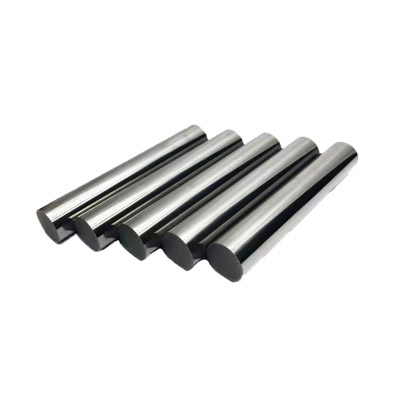 Monel K-500
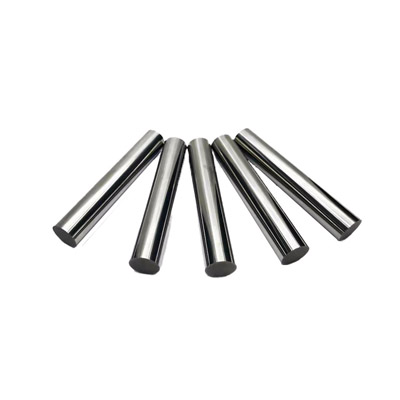 Monel 400
 Nimonic 263
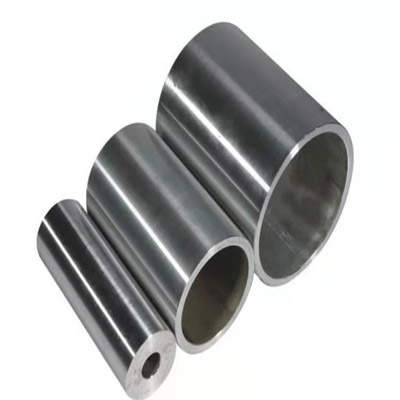 Nimonic 75
 Nimonic 80A
 Nimonic 90
 Nimonic PE11
 Nimonic PE16
 Nimonic PK33
 Nimonic 901
 Nimonic 81
 Nimonic 86
 Nimonic 105
 Nimonic 115
 Hastelloy C-276
 Hastelloy C
 Hastelloy C4
 Hastelloy C-22
 Hastelloy C-2000
 Hastelloy B-2
 Hastelloy B-3
 Hastelloy G30
 Hastelloy X
 Super Invar 32-5(4J32)
 Alloy 36(4J36)
 Alloy 42(4J42)
 Alloy 50(1J50)
 Hiperco 50(1J22)
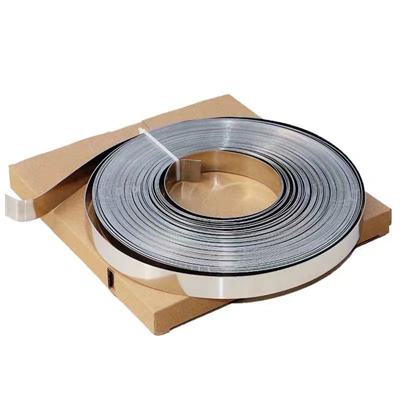 Alloy 46
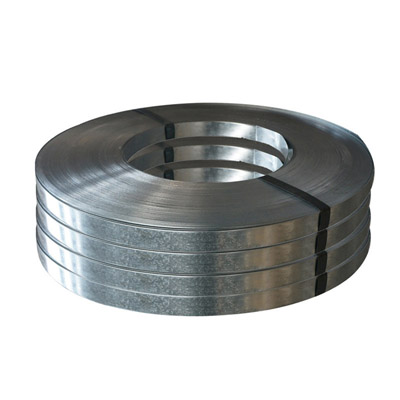 Permalloy (1J79)
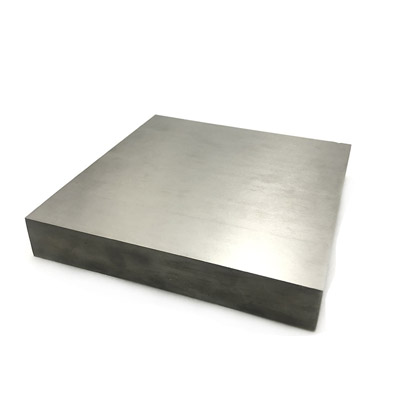 Supermalloy(1J85)
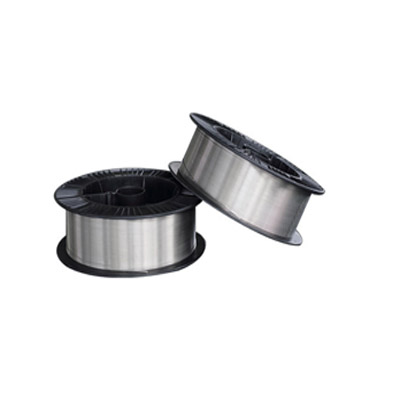 ERNiCrMo-2
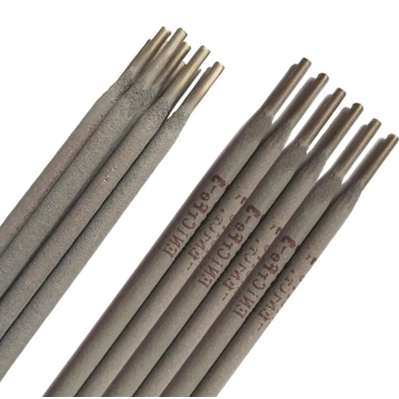 ERNiCrMo-3
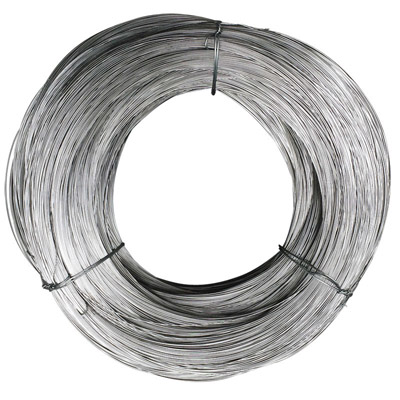 ERNiCrMo-4
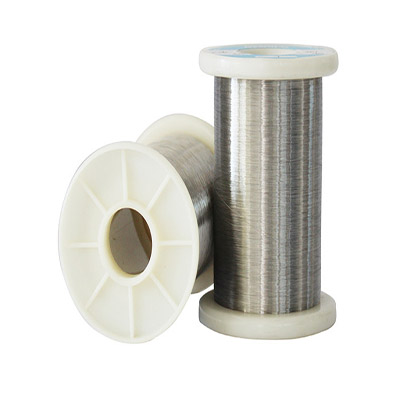 ERNiCrFe-7
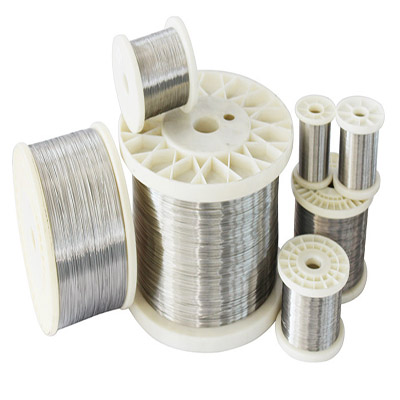 ERNiCrFe-7A
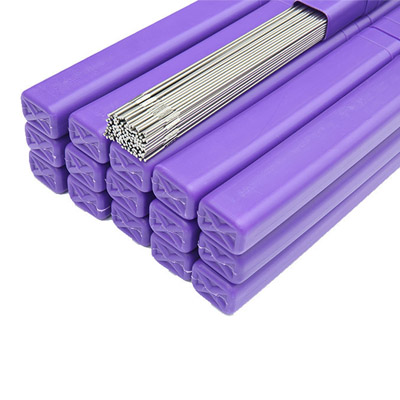 ERNiCrMo-10
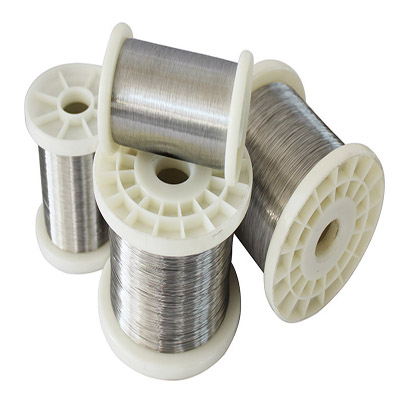 ERNiCrCoMo-1
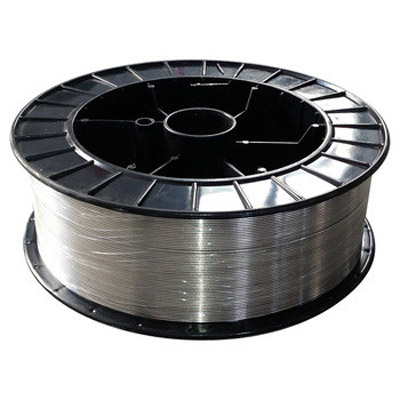 ERNiFeCr-2
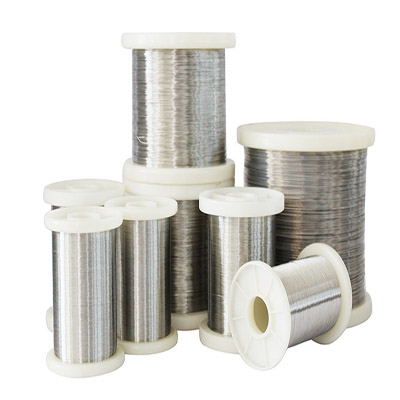 ERNiFeCr-1
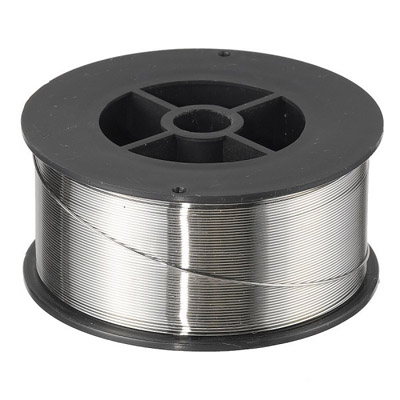 ERNiMo-8
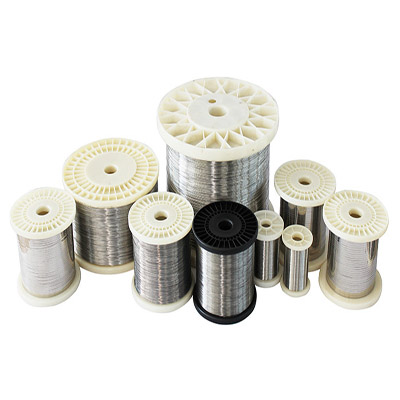 ERNiCrMo-13
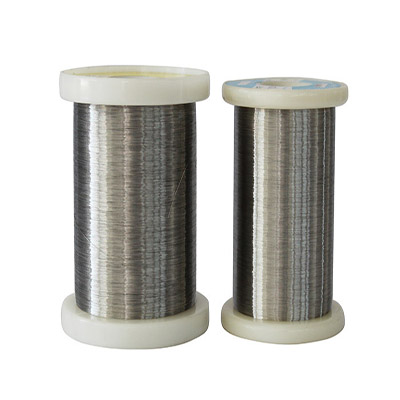 ERNiCr-4
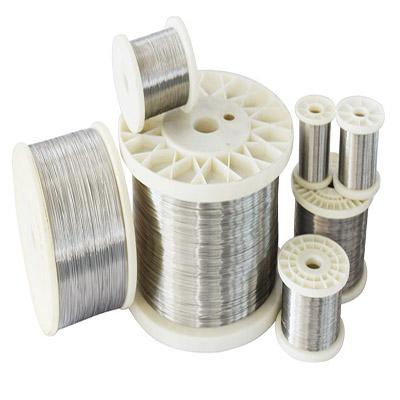 ERNiCr-3
 ERNi-1
 Haynes-25
 Hayness-188
 MP35N
 Refractory 26
 Waspaloy alloy
 17-4PH
 17-7PH
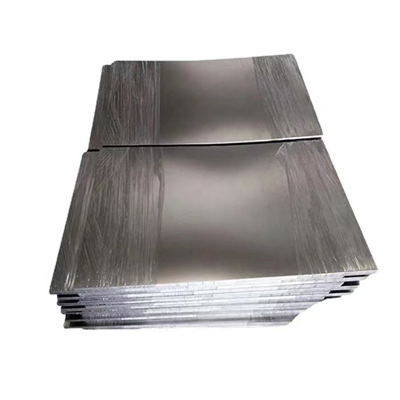 904L
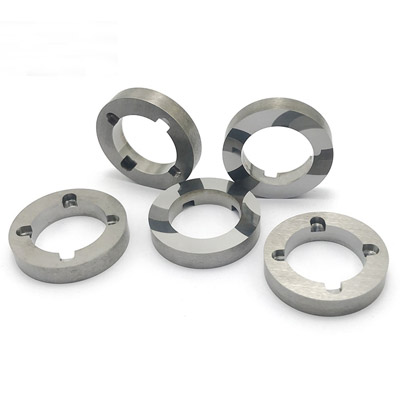 Nitronic 50
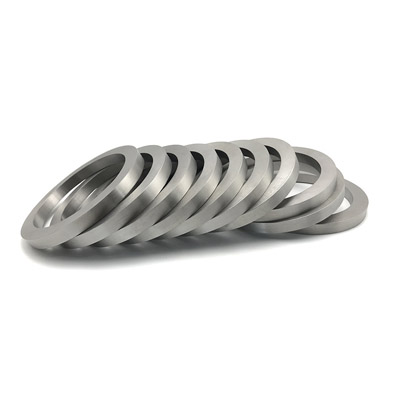 Nitronic 60
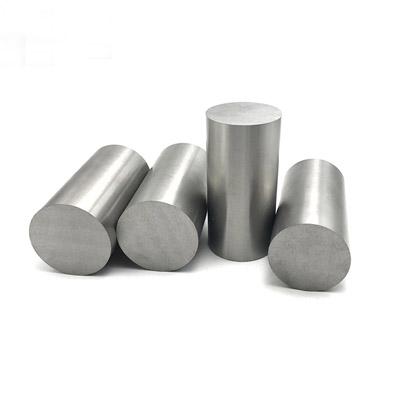 AL-6XN
 F55
 PH 13-8
 Haynes-230
 Nickel 200
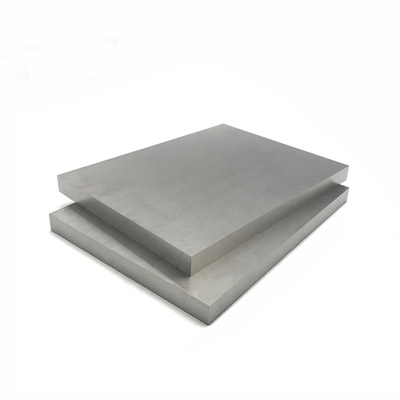
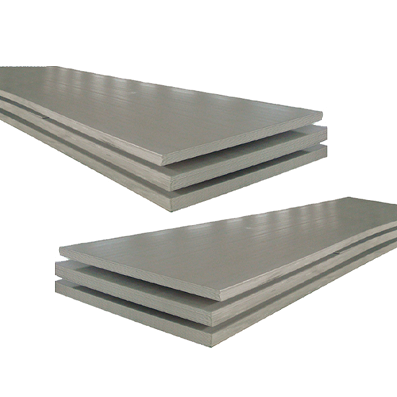 Sheet & Plate
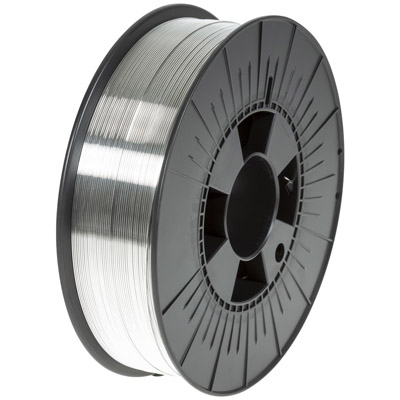
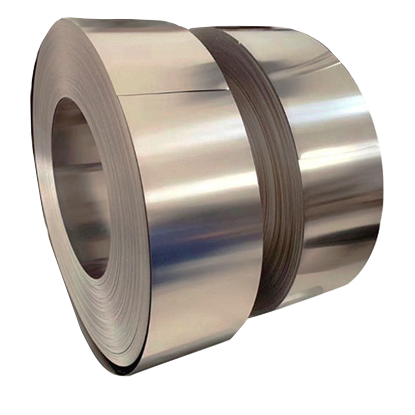 Strip & Foil
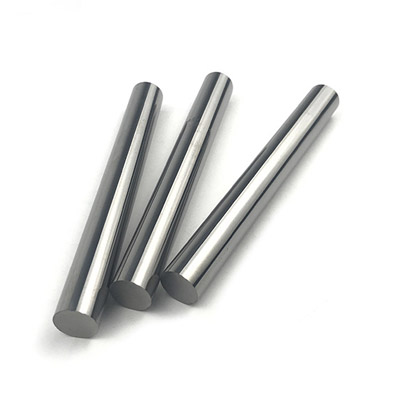
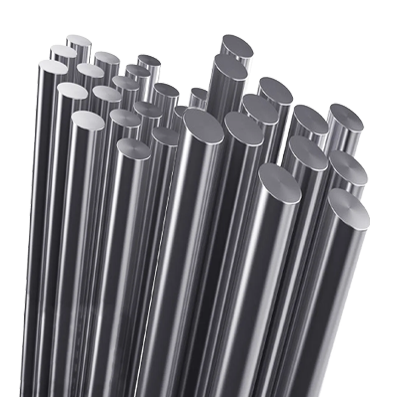 Bar & Rod
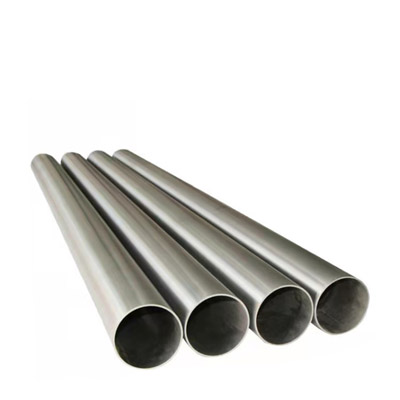
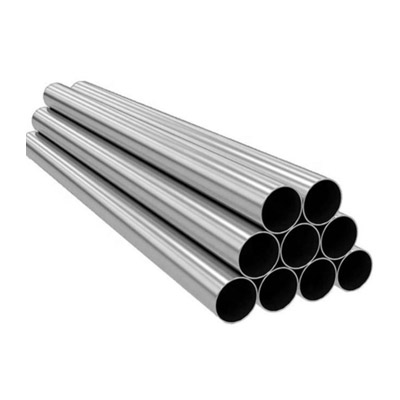 Pipe & Tube
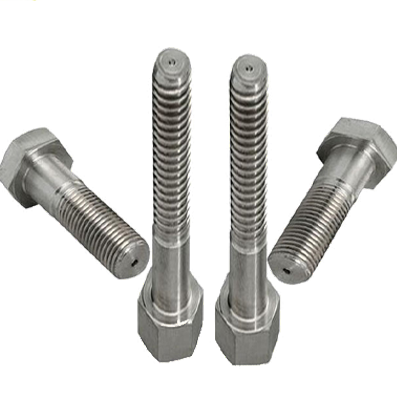 Bolts & Fasteners
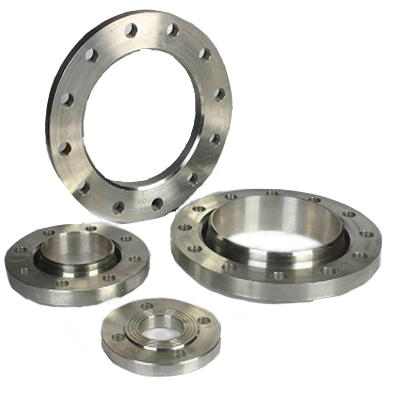 Flange & Ring
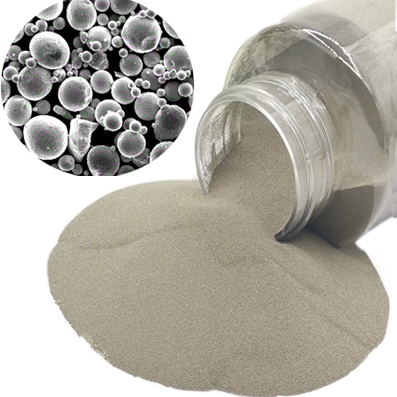 Nickel Alloy Powder


ERNiCrMo-3 vs ERNiCr-3: Differences, Advantages and Applications
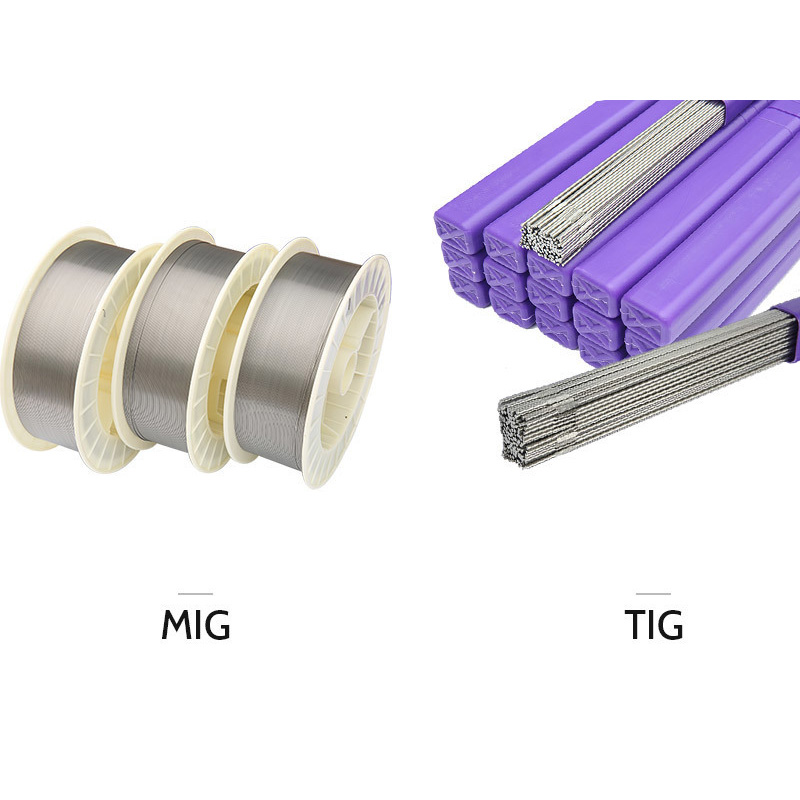
When selecting nickel alloy welding wire, ERNiCrMo-3 and ERNiCr-3 are two commonly used filler metals. Although both are classified under AWS A5.14, they have different chemical compositions, corrosion resistance and typical applications.
Understanding the difference between ERNiCrMo-3 and ERNiCr-3 is important for choosing the correct filler metal for nickel alloys, stainless steels, carbon steels and dissimilar-metal welding.
1. What Is ERNiCrMo-3?
ERNiCrMo-3 is a nickel-chromium-molybdenum-niobium filler metal commonly associated with Alloy 625 / UNS N06625.
Its typical composition includes approximately 20–23% chromium, 8–10% molybdenum and 3.15–4.15% niobium plus tantalum, with nickel as the balance. The combination of chromium, molybdenum and niobium provides high strength and excellent resistance to corrosion.
ERNiCrMo-3 is widely used for welding Alloy 625 and for corrosion-resistant cladding and dissimilar-metal welding.
2. What Is ERNiCr-3?
ERNiCr-3 is a nickel-chromium filler metal commonly known as Alloy 82 / UNS N06082.
It contains approximately 18–22% chromium, 2.5–3.5% manganese and 2–3% niobium plus tantalum, with nickel as the balance. Unlike ERNiCrMo-3, it does not contain a significant molybdenum addition.
ERNiCr-3 is commonly used for welding Alloy 600, Alloy 601, Alloy 690, Alloy 800 and 800HT, as well as for many dissimilar-metal welding applications.
3. Advantages of ERNiCrMo-3 Over ERNiCr-3.
ERNiCrMo-3, commonly associated with Alloy 625 / UNS N06625, contains approximately 20–23% chromium, 8–10% molybdenum and 3.15–4.15% niobium plus tantalum. ERNiCr-3, commonly known as Alloy 82 / UNS N06082, contains approximately 18–22% chromium and 2–3% niobium plus tantalum, but no intentional molybdenum addition.
This difference gives ERNiCrMo-3 several important advantages in demanding corrosion and high-strength applications.
3.1. Higher Molybdenum Content
The biggest advantage of ERNiCrMo-3 is its 8–10% molybdenum content.
ERNiCr-3 does not contain a significant molybdenum addition, while ERNiCrMo-3 uses Mo as an important alloying element. Molybdenum significantly improves resistance to localized corrosion, particularly pitting and crevice corrosion in chloride-containing environments.
Therefore, ERNiCrMo-3 is a better choice when the welded component will be exposed to seawater, chlorides, aggressive chemical solutions or other severe corrosion conditions.
3.2. Better Resistance to Severe Corrosion
ERNiCrMo-3 provides excellent corrosion resistance because of the combined effect of chromium and molybdenum.
It is particularly suitable for applications involving:
- Seawater
- Chloride-containing solutions
- Chemical processing
- Marine environments
- Offshore equipment
- Pollution-control equipment
- Corrosive process media
For severe corrosion service, ERNiCrMo-3 can provide a significant advantage over the more conventional ERNiCr-3 filler metal.
3.3. Higher Weld Metal Strength
Another important advantage is the higher strength of ERNiCrMo-3 weld metal.
Typical technical data for ERNiCrMo-3 shows tensile strength around 760 MPa or higher, while ERNiCr-3 generally provides lower-strength weld metal. Exact mechanical properties depend on the applicable standard, welding process and test condition.
This makes ERNiCrMo-3 attractive for components where both corrosion resistance and mechanical strength are important.
3.4. Excellent Choice for Dissimilar-Metal Welding
ERNiCrMo-3 is widely used for joining nickel alloys to:
- Carbon steel
- Low-alloy steel
- Stainless steel
- Other nickel alloys
It is also widely used for corrosion-resistant overlay and cladding.
This makes ERNiCrMo-3 particularly useful in fabrication and repair projects where different metals must be joined while maintaining good corrosion resistance in the weld area.
3.5. Wider Application Range in Corrosive Service
ERNiCr-3 is commonly selected for alloys such as Alloy 600, 601 and related Ni-Cr alloys.
ERNiCrMo-3, however, can be used for Alloy 625, Alloy 601, Alloy 800, Alloy 825 and various high-alloy stainless steels, as well as many dissimilar-metal applications.
Its combination of strength, corrosion resistance and versatility makes ERNiCrMo-3 one of the most widely used nickel-alloy filler metals.
4. Main Applications of ERNiCrMo-3
ERNiCrMo-3 is commonly used in the following industries:
4.1 Oil and Gas
ERNiCrMo-3 is suitable for offshore and oil-and-gas equipment exposed to seawater, chlorides and corrosive production environments.
4.2 Chemical Processing
It is used for reactors, piping, heat exchangers, process equipment and corrosion-resistant overlays.
4.3 Marine and Offshore
The excellent corrosion resistance of ERNiCrMo-3 makes it suitable for marine equipment and offshore structures.
4.4 Power Generation
ERNiCrMo-3 is used for piping, reactor components and dissimilar-metal joints in power-generation equipment.
4.5 Petrochemical Industry
It can be used for high-temperature and corrosive equipment in petrochemical plants.
4.6 Pollution Control
ERNiCrMo-3 is also used in pollution-control equipment and flue-gas-related applications.
5. When Should You Choose ERNiCrMo-3?
ERNiCrMo-3 should be considered when one or more of the following conditions apply:
5.1. High corrosion resistance is required
Choose ERNiCrMo-3 when the weld will be exposed to aggressive or chloride-containing environments.
5.2. Pitting and crevice corrosion are concerns
The Mo content makes ERNiCrMo-3 particularly attractive for localized corrosion resistance.
5.3. High weld strength is required
ERNiCrMo-3 provides higher-strength weld metal than conventional ERNiCr-3.
5.4. Dissimilar metals need to be joined
ERNiCrMo-3 is widely used for joining nickel alloys with stainless steel, carbon steel and other alloys.
5.5. Corrosion-resistant cladding is required
ERNiCrMo-3 is widely used for nickel-chromium-molybdenum overlays on steel.
5.6. The base metal is Alloy 625
For welding Alloy 625, ERNiCrMo-3 is the matching filler metal and is the natural first choice. TWI identifies ERNiCrMo-3 as the filler for Alloy 625 and notes its widespread use for cladding and dissimilar welds.
7. Advantages of ERNiCr-3 Over ERNiCrMo-3
7.1 Better Matching for Alloy 600
One of the most important advantages of ERNiCr-3 is that it is the established matching filler metal for Alloy 600.
TWI identifies ERNiCr-3 as the filler metal for Alloy 600, while ERNiCrMo-3 is the matching filler for Alloy 625.
When welding Alloy 600 components, choosing a matching filler can provide a more appropriate balance of chemistry, metallurgical compatibility and service performance.
7.2 Excellent Choice for Alloy 601 and 800-Series Alloys
ERNiCr-3 is also widely used for Alloy 601, Alloy 800 and Alloy 800HT.
These materials are commonly found in high-temperature equipment, heat-treatment systems, furnace components and process equipment. For applications where extreme localized corrosion resistance is not the primary requirement, ERNiCr-3 can be an efficient and technically appropriate choice.
7.3 Good High-Temperature and Oxidation Performance
ERNiCr-3 is particularly useful in high-temperature nickel-chromium alloy applications.
Its Ni-Cr composition provides good resistance to oxidation and elevated-temperature service. This makes it suitable for furnace equipment, heat-resistant components and high-temperature process equipment.
For these applications, the additional molybdenum in ERNiCrMo-3 may not provide a meaningful advantage if the primary requirement is high-temperature oxidation resistance rather than severe wet-corrosion resistance.
7.4 Excellent Dissimilar-Metal Welding Capability
ERNiCr-3 is widely used for joining nickel alloys to stainless steel, carbon steel and other nickel alloys.
It can also be used for surfacing and transition layers where a nickel-chromium weld metal is required. Technical literature lists ERNiCr-3 for dissimilar combinations of steels and nickel alloys as well as surfacing applications.
7.5 Suitable for Nuclear and Power-Generation Applications
ERNiCr-3 has long been used in dissimilar-metal welding applications in power-generation and nuclear-related equipment, particularly where Alloy 600 and related Ni-Cr alloys are involved.
For these applications, the established material/welding procedure combination can be more important than simply selecting a filler with higher alloy content.
8. Main Applications of ERNiCr-3
ERNiCr-3 is commonly used in:
- Alloy 600 welding
- Alloy 601 welding
- Alloy 690 welding
- Alloy 800 and 800HT welding
- Nickel alloy to stainless steel joints
- Nickel alloy to carbon steel joints
- Dissimilar nickel alloy welding
- High-temperature equipment
- Furnace components
- Petrochemical equipment
- Power-generation equipment
- Nuclear-related components
- Steel surfacing and cladding
Its established use with Alloy 600 and related Ni-Cr alloys makes it an important filler metal for maintenance, fabrication and new equipment manufacturing.
9. When Should You Choose ERNiCr-3?
ERNiCr-3 should be considered when:
9.1 Welding Alloy 600
For Alloy 600, ERNiCr-3 is the standard matching filler metal and is usually the first option to consider.
9.2 Welding Alloy 601
ERNiCr-3 is a well-established filler for Alloy 601. ERNiCrMo-3 is also used for Alloy 601 when additional corrosion resistance is required, so the final selection should consider the service environment.
9.3 Welding Alloy 800 or 800HT
ERNiCr-3 is widely used with Alloy 800 and 800HT, particularly in high-temperature applications.
9.4 High-Temperature Service Is More Important Than Severe Wet
If the component operates at elevated temperature and the main requirements are oxidation resistance, thermal stability and compatibility with a Ni-Cr base metal, ERNiCr-3 can be an excellent choice.
9.5 The Welding Procedure Specifies ERNiCr-3
For qualified WPS/PQR procedures, applicable construction codes or customer specifications may require a particular filler metal. In such cases, the qualified welding procedure should take priority over simply selecting the filler with higher alloy content.
10. Conclusion
ERNiCrMo-3 and ERNiCr-3 serve different welding requirements. ERNiCrMo-3 is a high-performance Ni-Cr-Mo filler metal associated with Alloy 625 and is especially valuable where corrosion resistance and strength are important.
ERNiCr-3, also known as Alloy 82, is widely used for Alloy 600, 601, 690 and 800-series alloys and offers good weldability and excellent versatility for dissimilar-metal welding.
For demanding corrosion-resistant applications, ERNiCrMo-3 is often the preferred choice. For Alloy 600/601/690/800-series welding and many dissimilar joints, ERNiCr-3 remains a reliable and widely used filler metal.
RFQ.
1. What is the difference between ERNiCrMo-3 and ERNiCr-3?
Answer: ERNiCrMo-3 contains Mo and Nb, providing higher corrosion resistance. ERNiCr-3 is mainly a Ni-Cr filler wire.
2. Which wire is suitable for Inconel 625?
Answer: ERNiCrMo-3 is the standard choice for Inconel 625 welding.
3. Which wire is suitable for Inconel 600?
Answer: ERNiCr-3 is commonly used for Inconel 600 and related Ni-Cr alloys.
4. Which wire has better corrosion resistance?
Answer: ERNiCrMo-3 generally provides better resistance to pitting and crevice corrosion.
5. Can ERNiCrMo-3 replace ERNiCr-3?
Answer: Sometimes, but they are not universal substitutes. Selection depends on the base metal, service environment and welding specification.
Contact Huiyu Alloys today for nickel alloy grade selection, material specifications, customized sizes, technical consultation, and quotation.
Website: https://www.huiyualloys.com/
Email: hyalloys@gmail.com sales6@huiyualloys.com
Whatsapp: (86 )17627989936
Huiyu Alloys — Your Reliable Nickel Alloy Manufacturer & Supplier in China.