


 Cr15Al5
 Cr19Al3
 Cr25Al5
 Cr23Al5Ti
 Cr21Al16Nb
 Cr27Al7Mo2
 Cr20Ni80
 Cr30Ni70
 Cr15Ni60
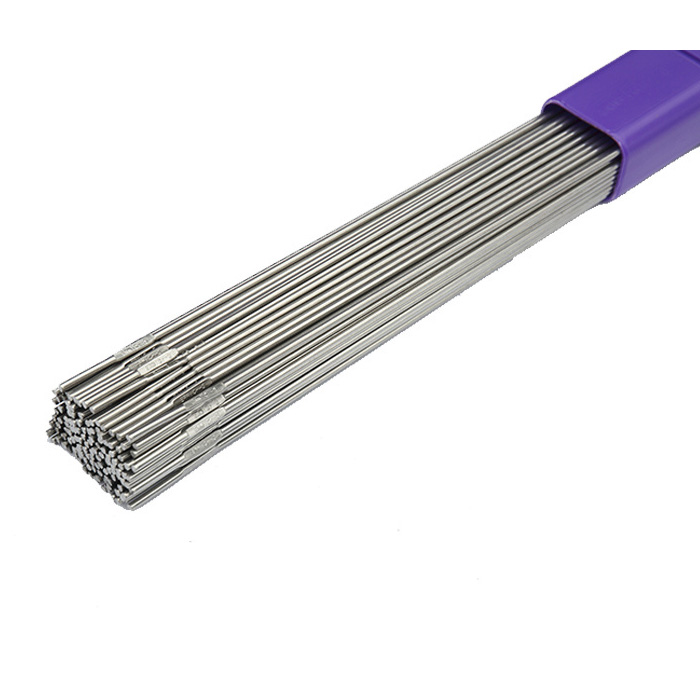 Inconel 625
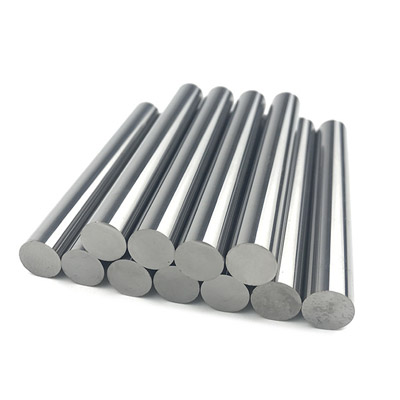 Inconel 718
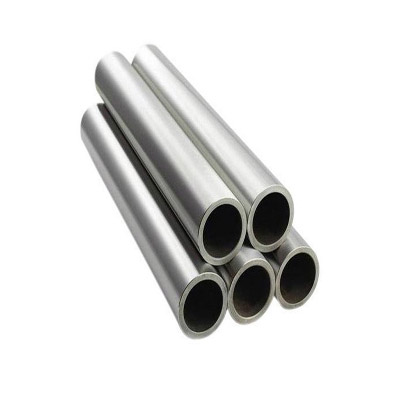 Inconel 725
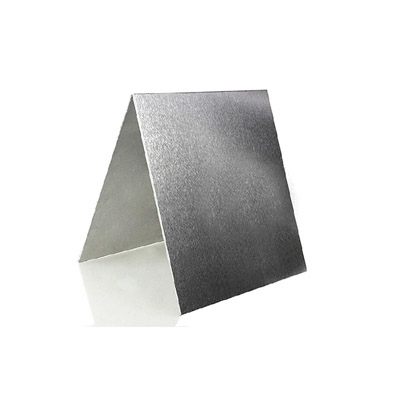 Inconel X-750
 Inconel 690
 Inconel 617
 Inconel 601
 Inconel 600
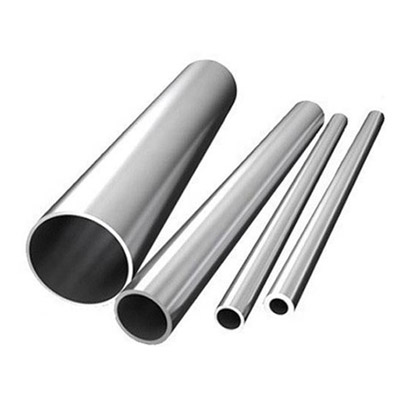 Inconel 686
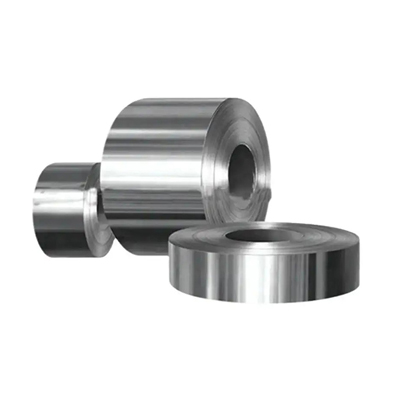 Inconel 602CA
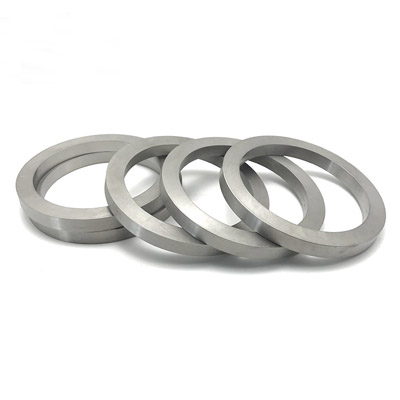 Incoloy A-286
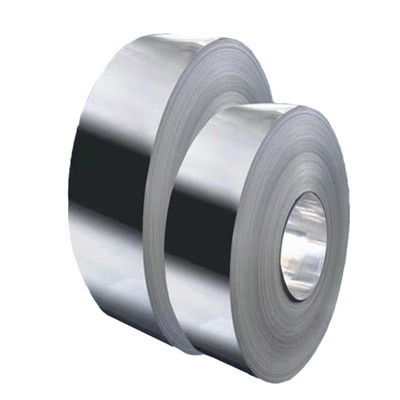 Incoloy 825
 Incoloy 925
 Incoloy 926
 Incoloy 800
 Incoloy 800H
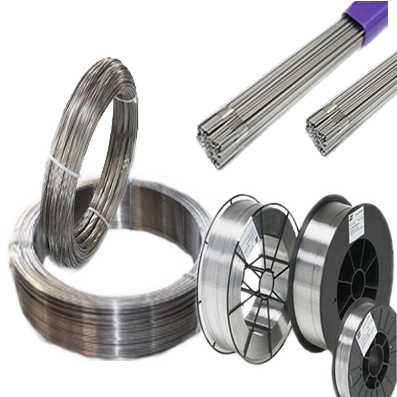 Incoloy 800HT
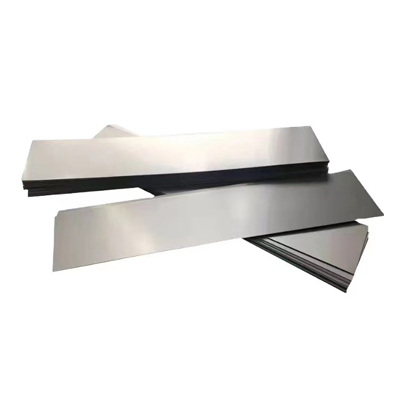 Incoloy 909
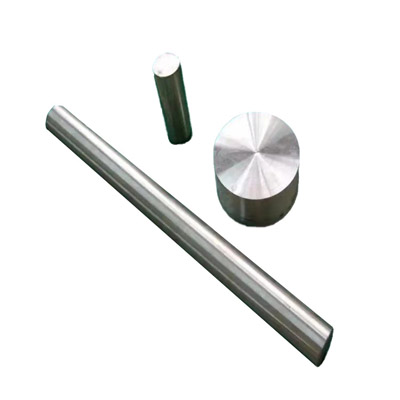 Incoloy 31
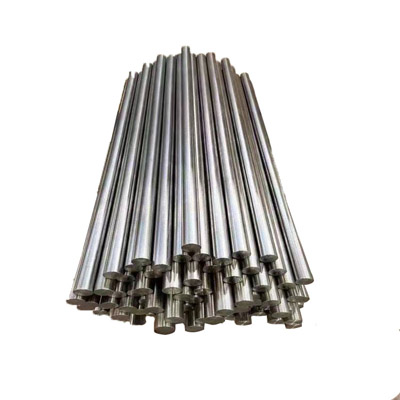 Incoloy 901
 Monel K-500
 Monel 400
 Nimonic 263
 Nimonic 75
 Nimonic 80A
 Nimonic 90
 Nimonic PE11
 Nimonic PE16
 Nimonic PK33
 Nimonic 901
 Nimonic 81
 Nimonic 86
 Nimonic 105
 Nimonic 115
 Hastelloy C-276
 Hastelloy C
 Hastelloy C4
 Hastelloy C-22
 Hastelloy C-2000
 Hastelloy B-2
 Hastelloy B-3
 Hastelloy G30
 Hastelloy X
 Super Invar 32-5(4J32)
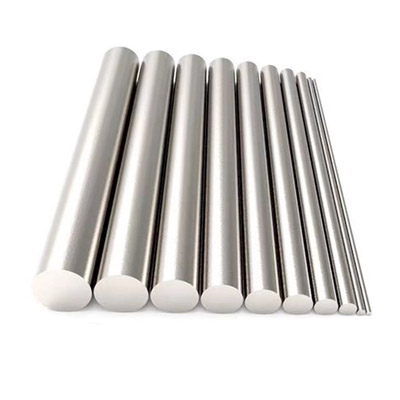 Alloy 36(4J36)
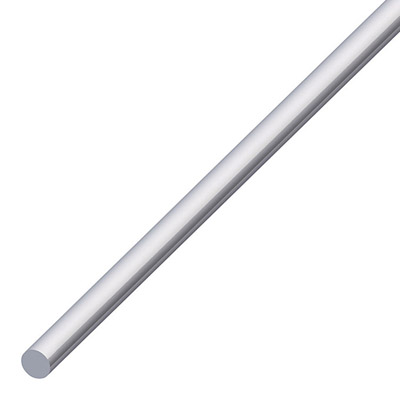 Alloy 42(4J42)
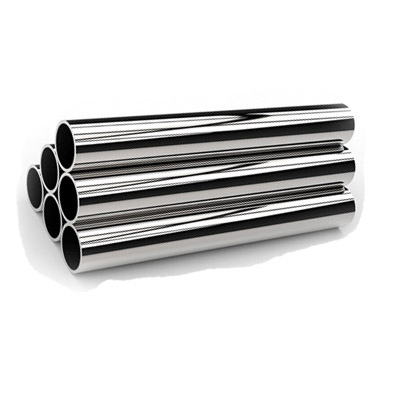 Alloy 50(1J50)
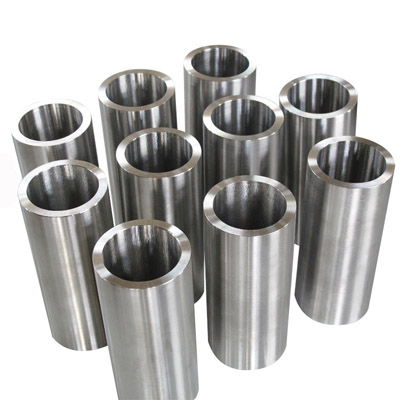 Hiperco 50(1J22)
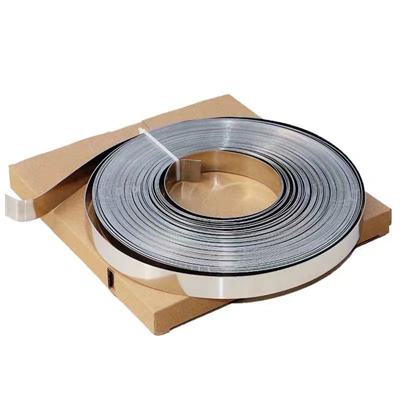 Alloy 46
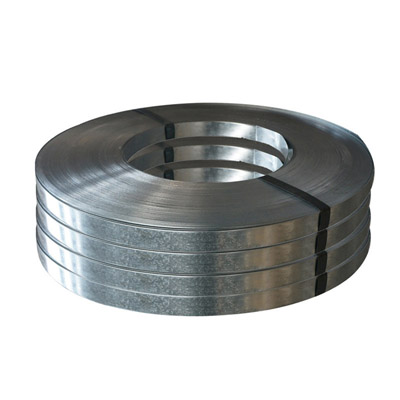 Permalloy (1J79)
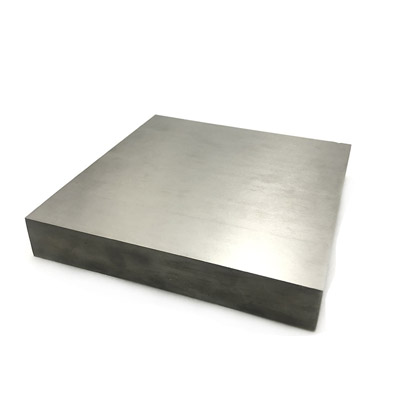 Supermalloy(1J85)
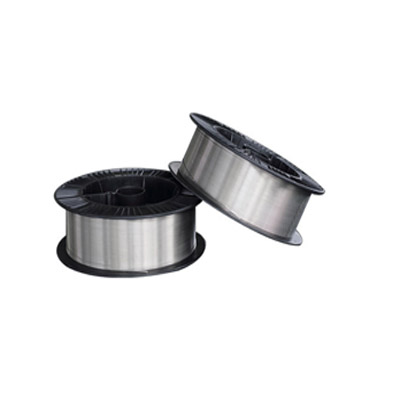 ERNiCrMo-2
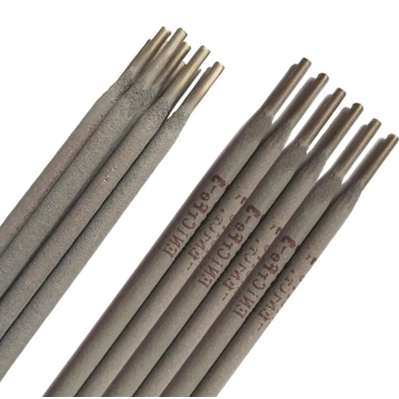 ERNiCrMo-3
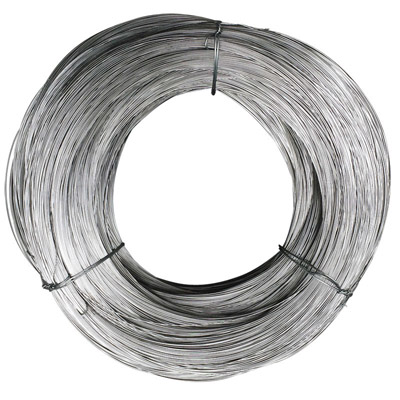 ERNiCrMo-4
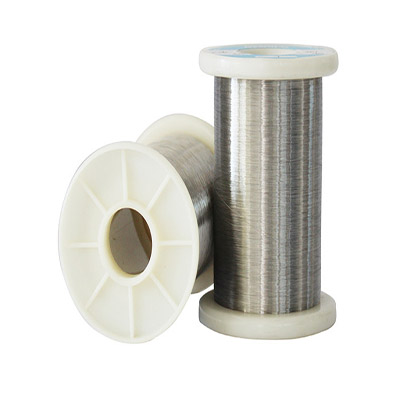 ERNiCrFe-7
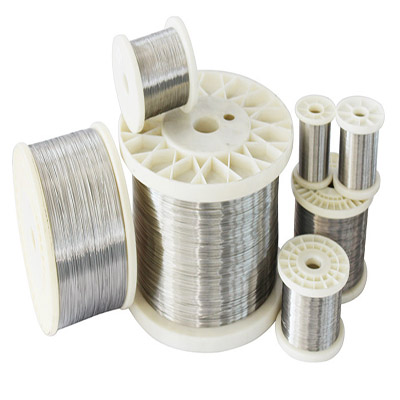 ERNiCrFe-7A
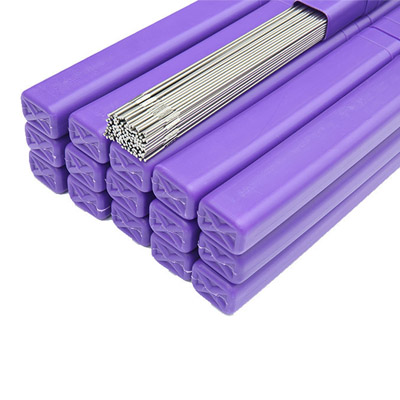 ERNiCrMo-10
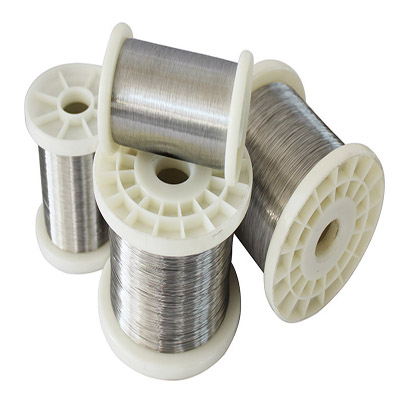 ERNiCrCoMo-1
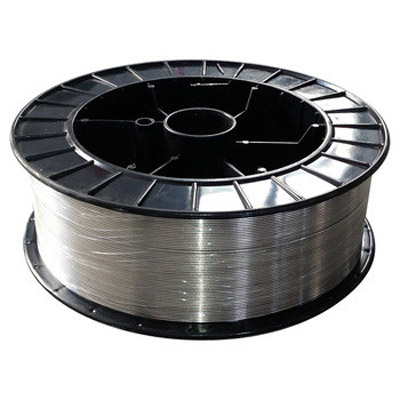 ERNiFeCr-2
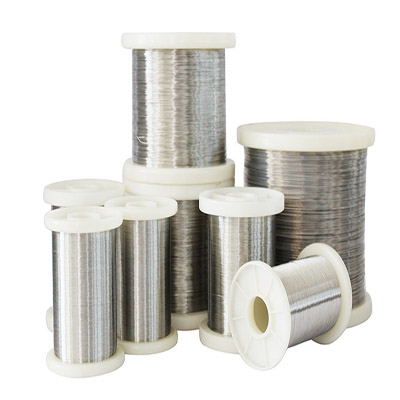 ERNiFeCr-1
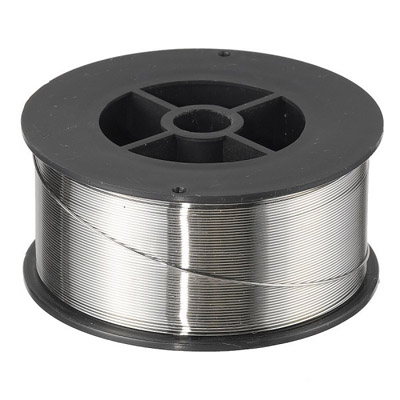 ERNiMo-8
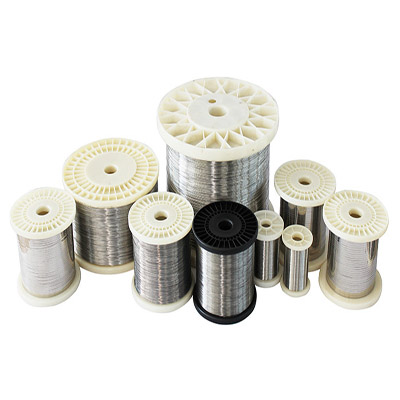 ERNiCrMo-13
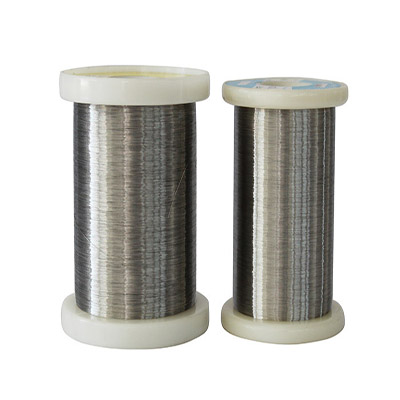 ERNiCr-4
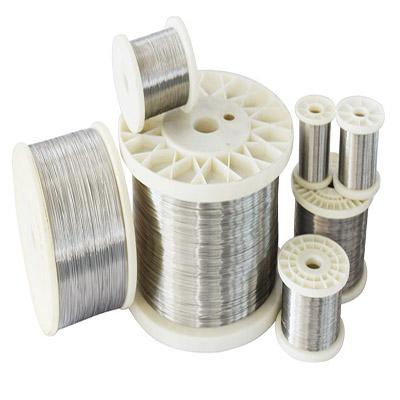 ERNiCr-3
 ERNi-1
 Haynes-25
 Hayness-188
 MP35N
 Refractory 26
 Waspaloy alloy
 17-4PH
 17-7PH
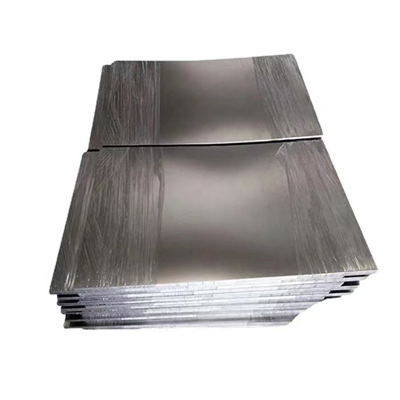 904L
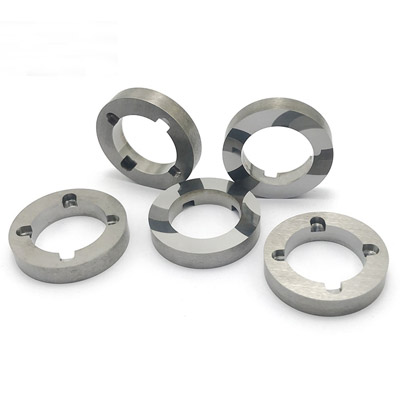 Nitronic 50
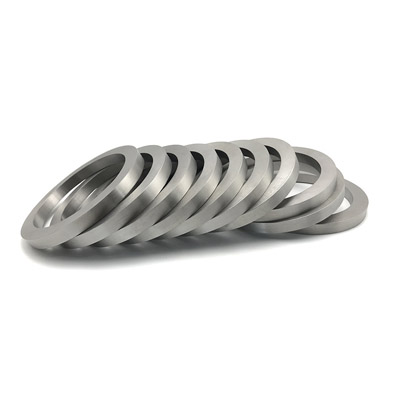 Nitronic 60
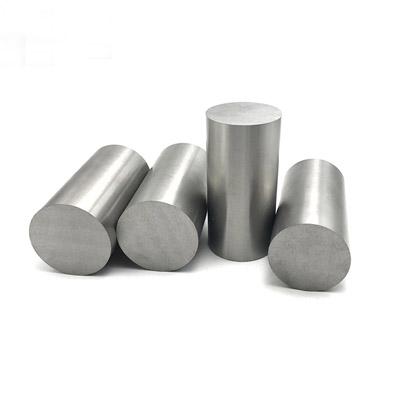 AL-6XN
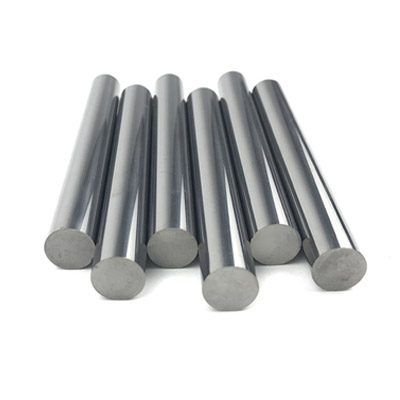 F55
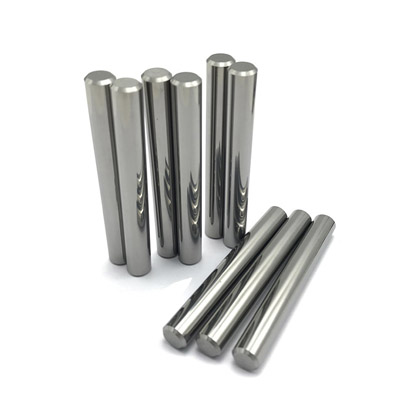 PH 13-8
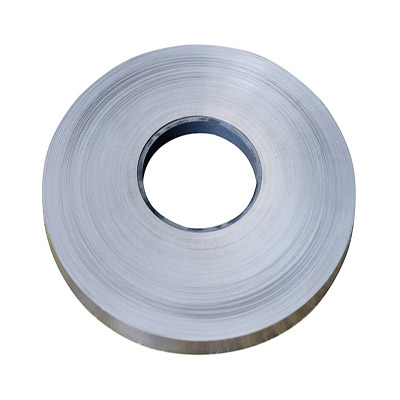 Haynes-230
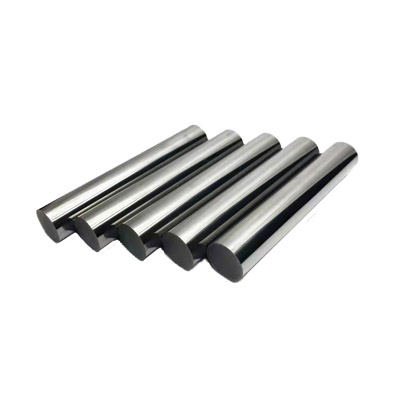 Nickel 200
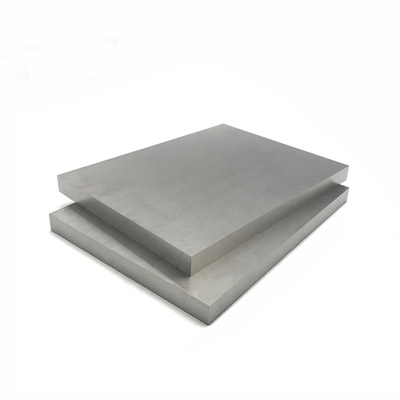
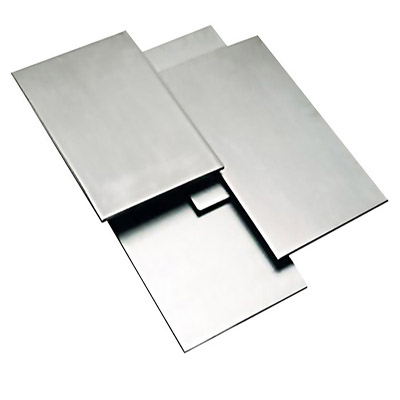
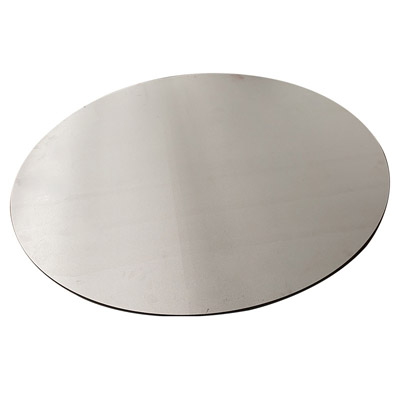
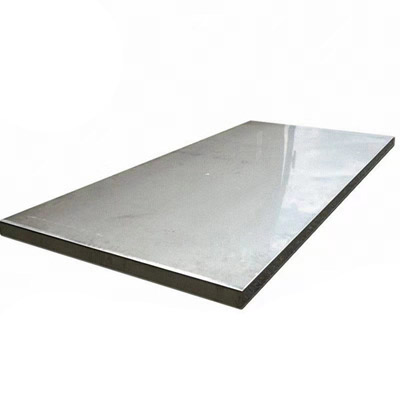
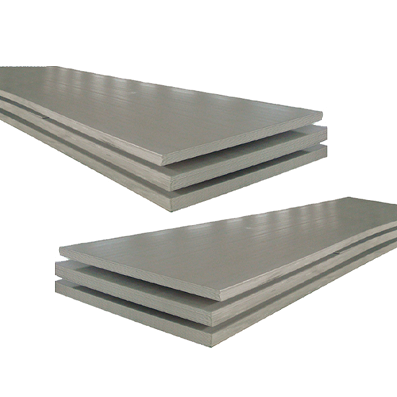 Sheet & Plate
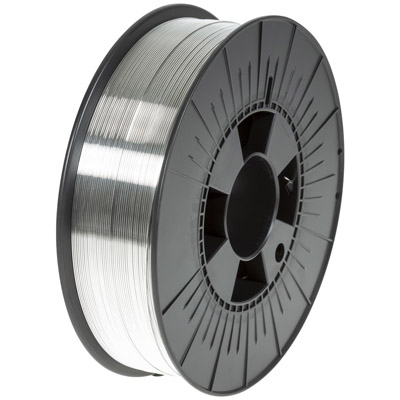
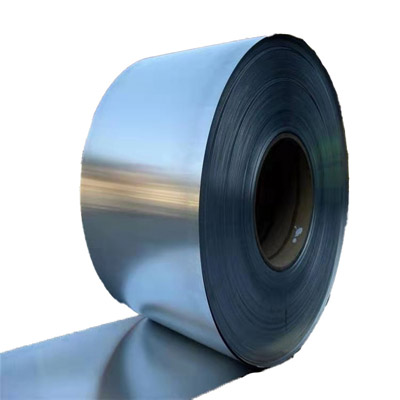
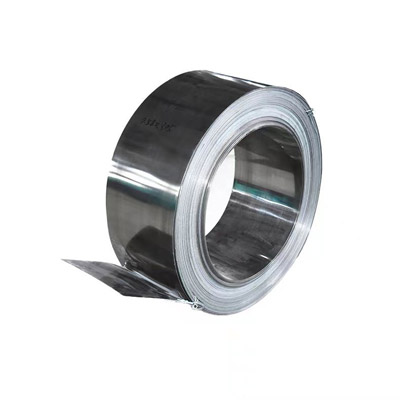
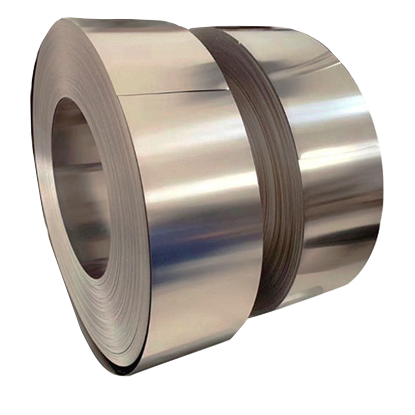 Strip & Foil
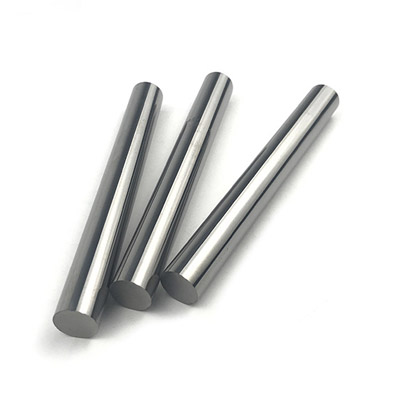
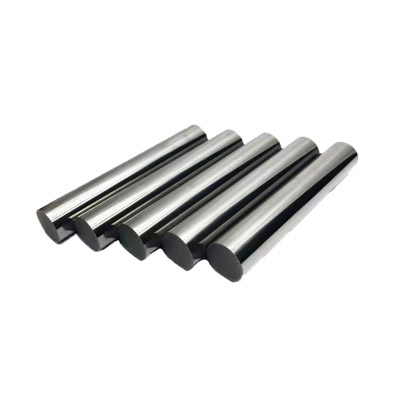
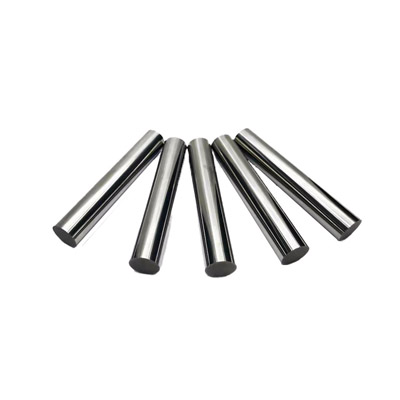
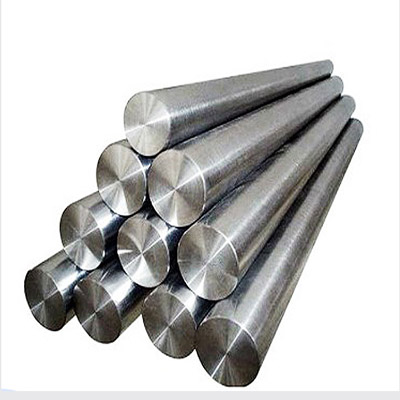
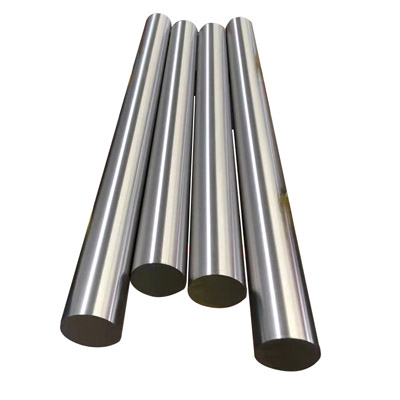
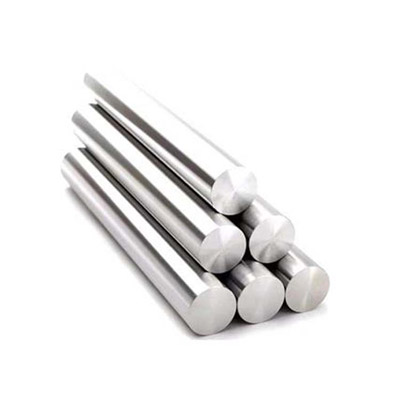
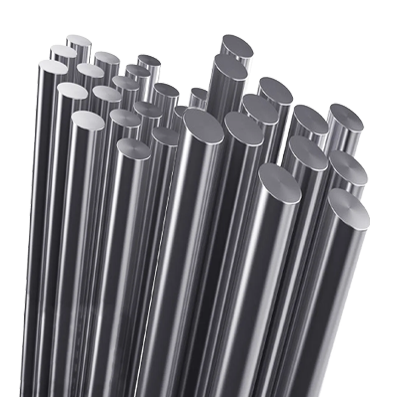 Bar & Rod
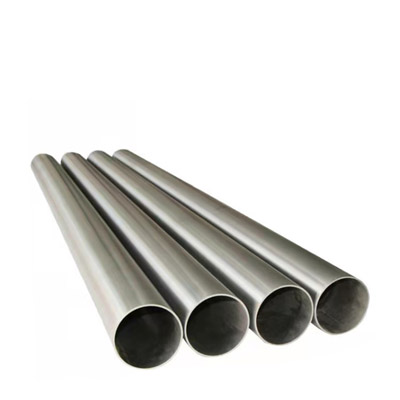
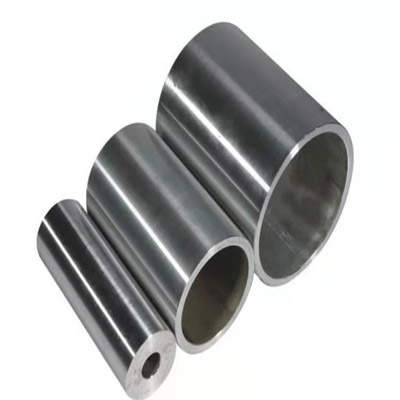
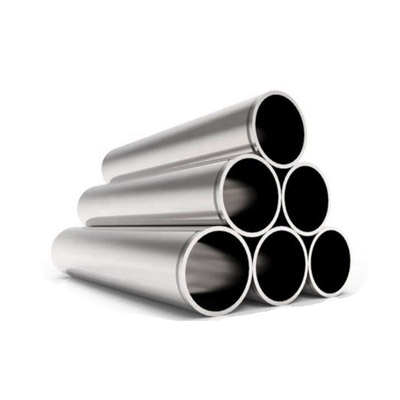
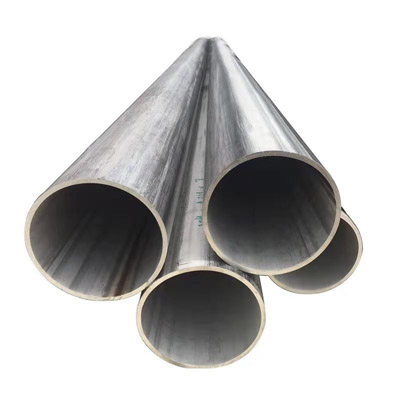
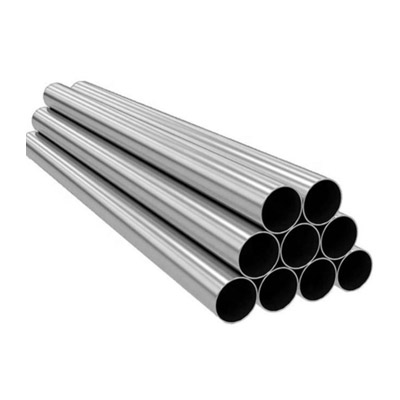 Pipe & Tube
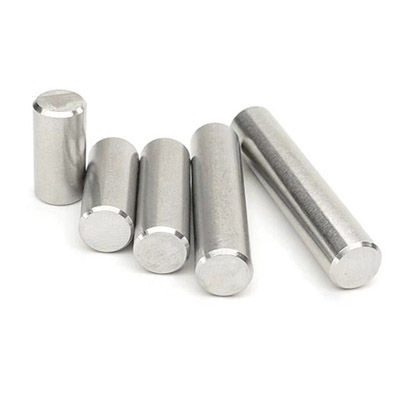
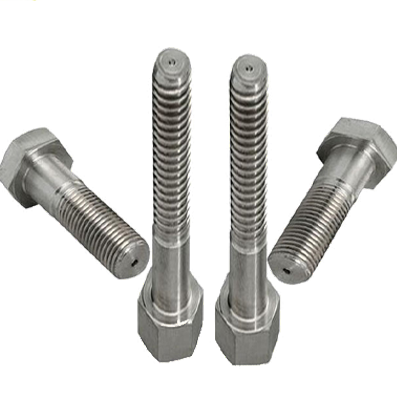 Bolts & Fasteners
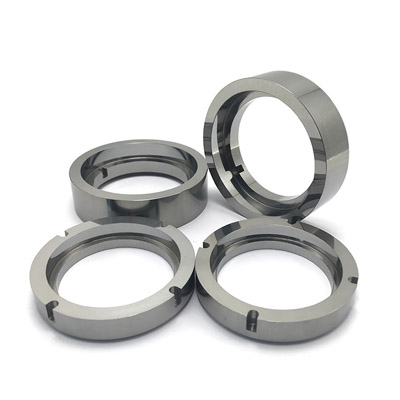
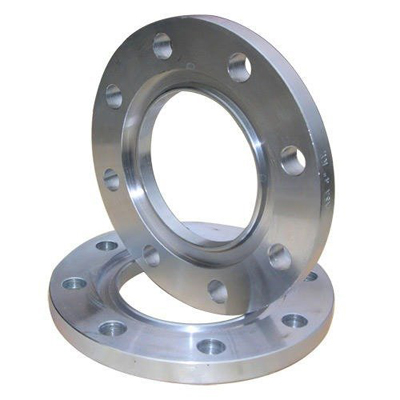
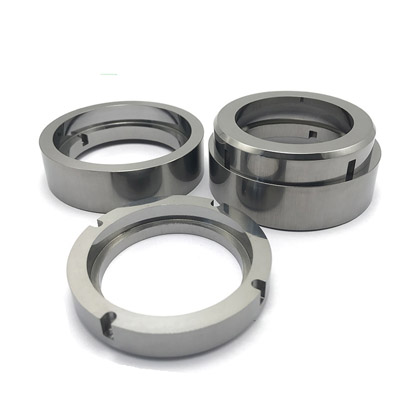
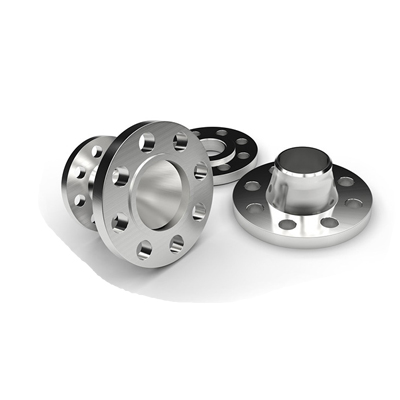
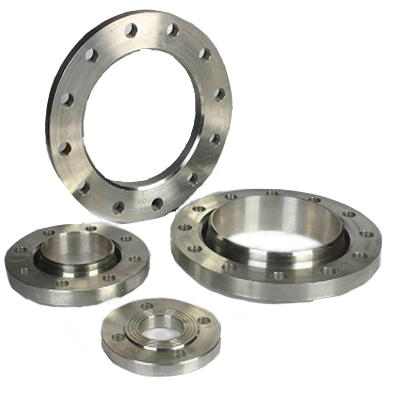 Flange & Ring
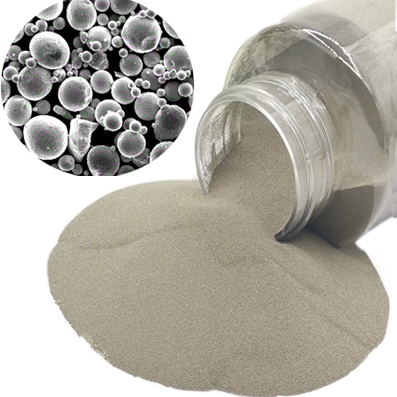 Nickel Alloy Powder


HRNM-2(p530 class) technical standard
Overview
Limiting Chemical Composition, %
Chromium..............................................................................................................................................................................15.0--17.0
Carbon.....................................................................................................................................................................................0.08 Max.
Nickel......................................................................................................................................................................................0.08--1.50
Silicon.........................................................................................................................................................................................1.0 Max.
Manganese.............................................................................................................................................................................16.0--19.0.
Phosphorus.............................................................................................................................................................................0.03 Max.
Sulfur.......................................................................................................................................................................................0.02 Max.
Molybdenum..........................................................................................................................................................................0.40--0.60
Copper......................................................................................................................................................................................0.3 Max.
Nitrogen....................................................................................................................................................................................0.30 Min.
Iron............................................................................................................................................................................................Balance.
Physical Constants
|
Microstructure |
Austenitic |
|
Relative Magnetic Permeability |
≤ 1.005 |
|
Yield Strength |
≥758 MPa |
|
Tensile strength |
≥827 MPa |
|
Charpy Impact Energy |
≥100J |
|
Hardness |
Approx. 285–360 HB |
|
Elongation |
>20% |
Common Specifications:
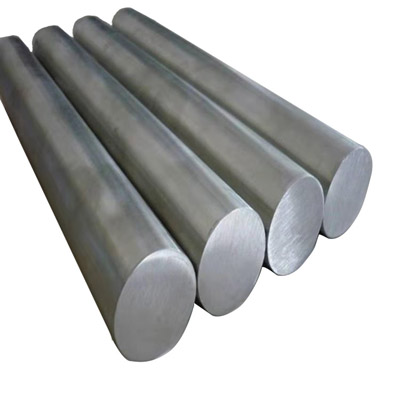
Round Bar: Ø20–Ø300 mm
Forged Bar: Ø200–Ø500 mm
Hollow Bar: OD/ID according to customer requirements
Main Advantages
1. Excellent Non-Magnetic Performance
HRNM-2 is designed to maintain extremely low magnetic permeability, making it suitable for drilling applications where magnetic interference must be minimized.
2. High Mechanical Strength
The material provides high yield and tensile strength while maintaining good ductility and toughness, making it suitable for heavily loaded downhole components.
3. Excellent Toughness
Good impact toughness helps the material withstand shock and dynamic loads encountered during drilling operations.
4. Stable Austenitic Structure
The Mn-Cr-N alloy design promotes a stable austenitic microstructure and contributes to the material's non-magnetic characteristics.
5. Suitable for Downhole Service
HRNM-2 is suitable for demanding drilling environments and can be supplied as forged or machined components according to customer requirements.
6. Good Machinability and Fabrication Capability
With appropriate heat treatment and machining parameters, HRNM-2 can be processed into bars, drill collars and other precision drilling components.
Why Choose HRNM-2?
Low Magnetic Permeability • High Strength • High Toughness • Austenitic Structure • Reliable Downhole Performance
HRNM-2 provides a practical combination of non-magnetic performance, mechanical strength and toughness for demanding oilfield drilling applications. Products can be supplied as bars or forged components and manufactured to customer drawings, technical specifications and applicable industry requirements.
Applications
Oil & Gas Drilling
HRNM-2 is primarily used for oilfield drilling equipment requiring low magnetic permeability.
Typical applications include:
- Non-Magnetic Drill Collars
- MWD (Measurement While Drilling) Tools
- LWD (Logging While Drilling) Tools
- Downhole Survey Tools
- Non-Magnetic Stabilizers
- Downhole Instrumentation Components
- Directional Drilling Equipment
- Other Non-Magnetic Drilling Components
Non-magnetic drill collars are particularly important for MWD/LWD and directional drilling because they reduce magnetic interference around measurement and navigation instruments.